
How Does an Injection Molding Machine Screw Improve Plastic Processing Performance?
The injection molding machine screw is one of the most critical components in modern plastic manufacturing. It directly affects plasticizing efficiency, melt quality, injection stability, energy consumption, and final product performance. A poorly designed or worn screw can lead to inconsistent melting, uneven color mixing, excessive material waste, and lower production efficiency. This article explains how an injection molding machine screw works, why it matters, common problems manufacturers face, and how to select the right screw design for different plastic materials and production requirements.
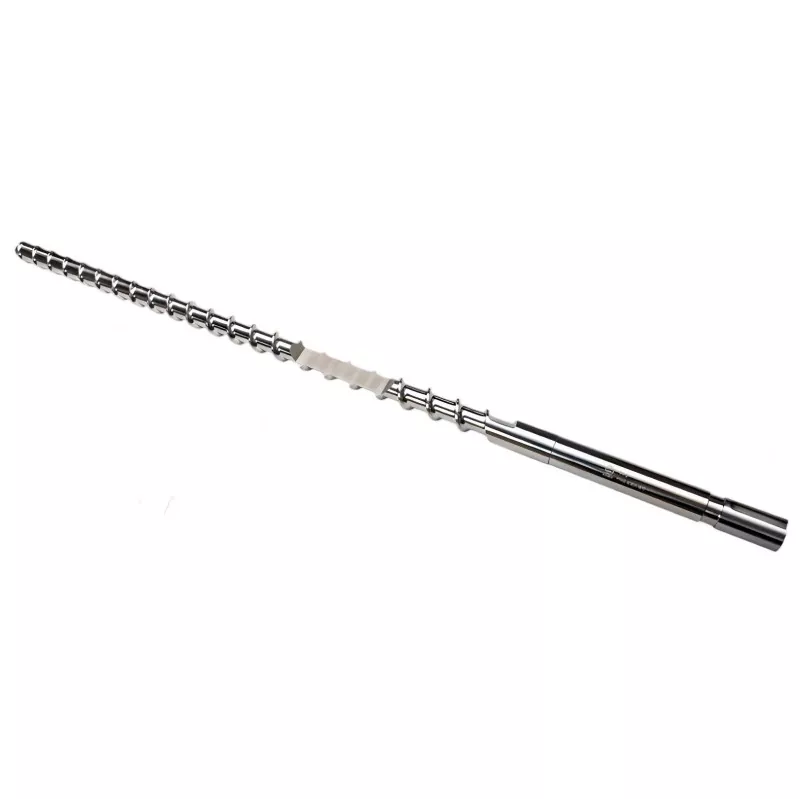
Table of Contents
- 1. What Is an Injection Molding Machine Screw?
- 2. How Does an Injection Molding Machine Screw Work?
- 3. Why Is the Screw Important for Injection Molding Performance?
- 4. Key Structural Designs of Injection Molding Machine Screws
- 5. Common Problems Caused by Poor Screw Performance
- 6. How to Choose the Right Injection Molding Machine Screw?
- 7. Maintenance Methods to Extend Screw Service Life
- 8. Different Screw Types and Their Applications
- 9. Frequently Asked Questions
- 10. Professional Injection Molding Machine Screw Supplier
1. What Is an Injection Molding Machine Screw?
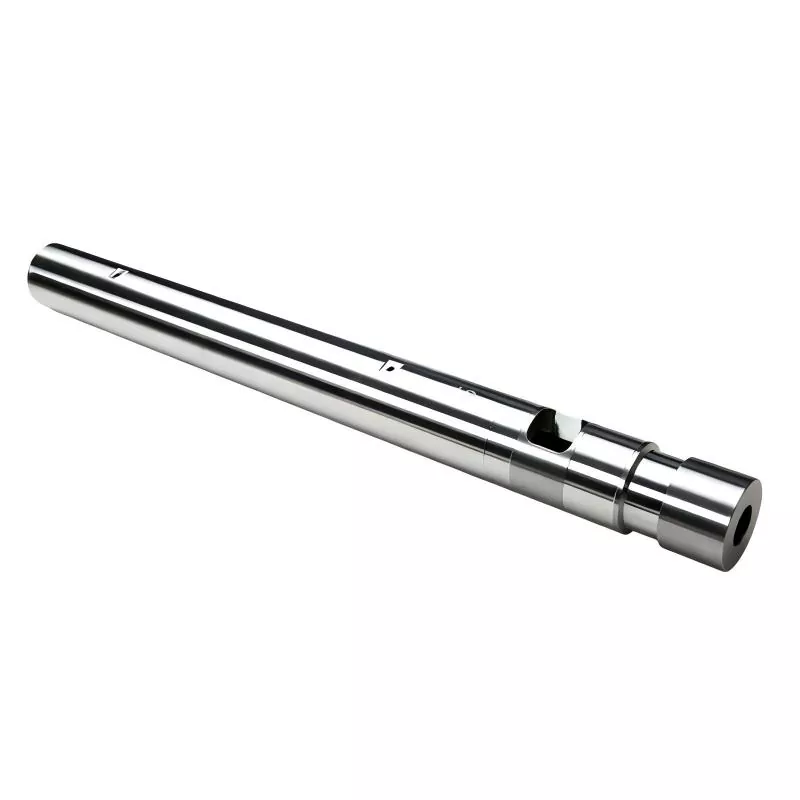
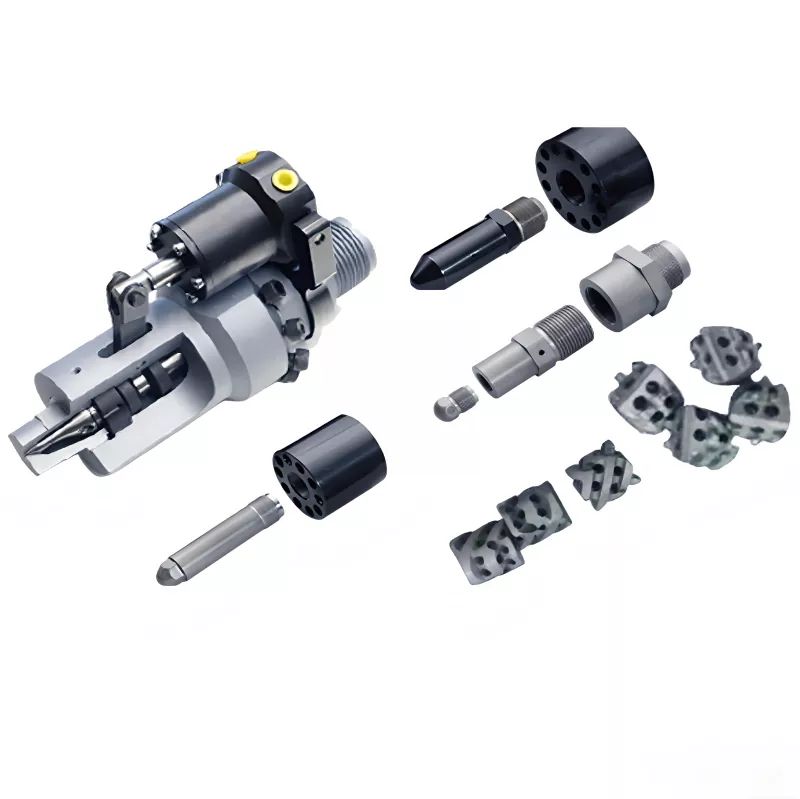
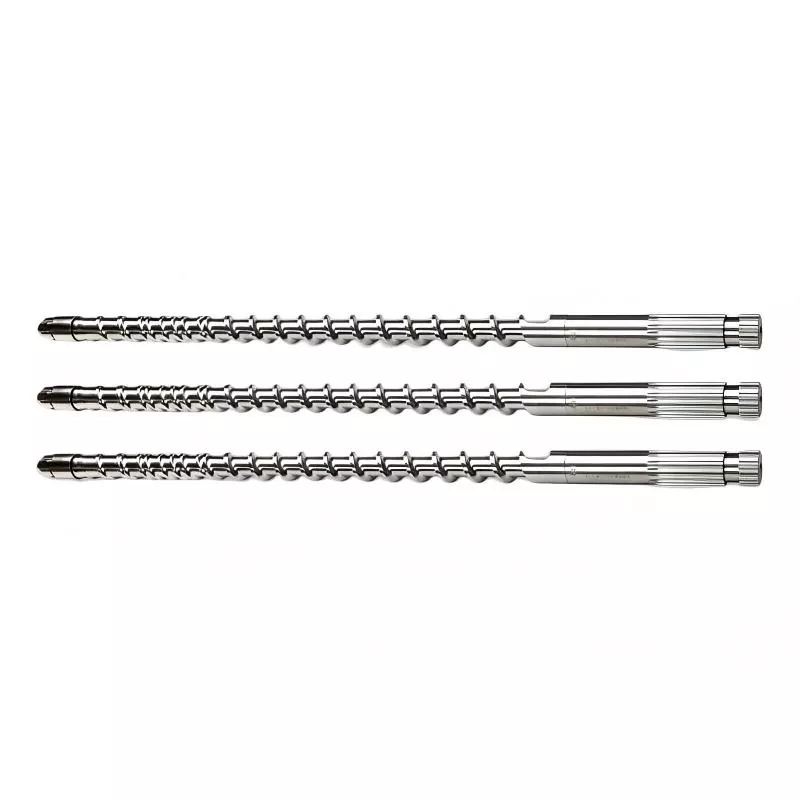
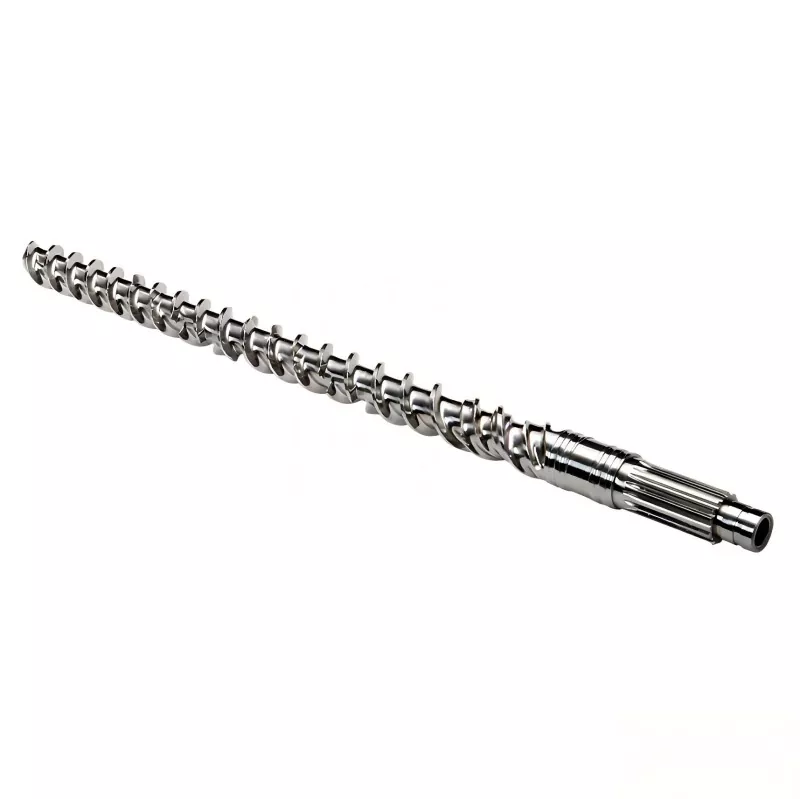
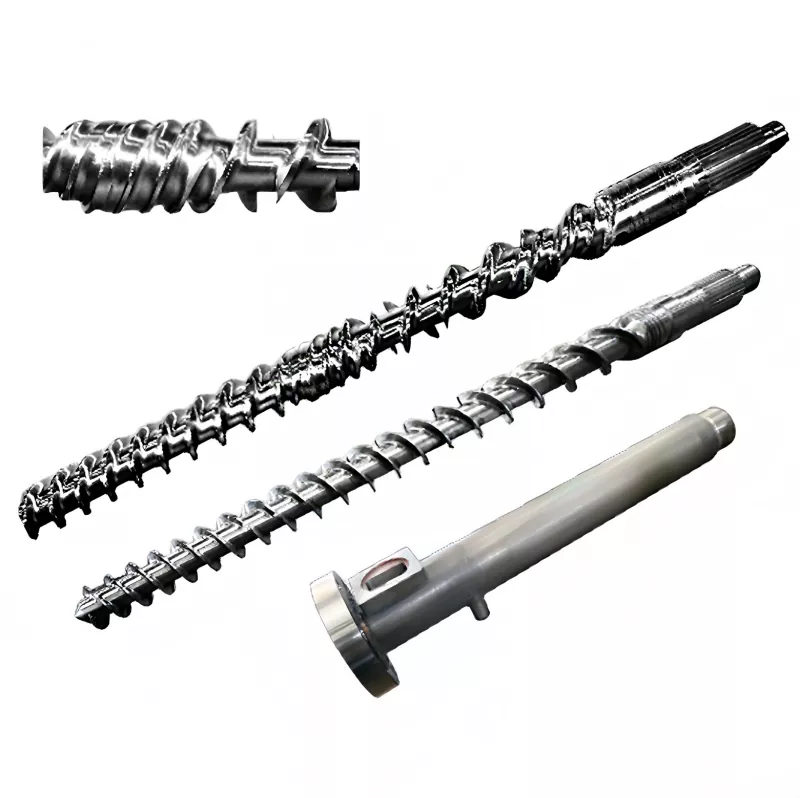
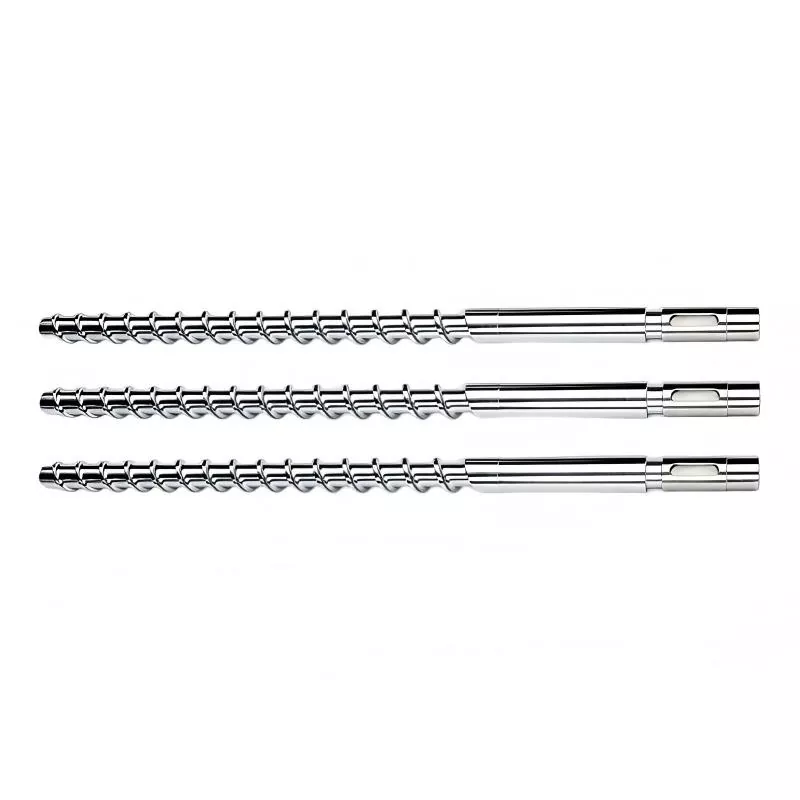
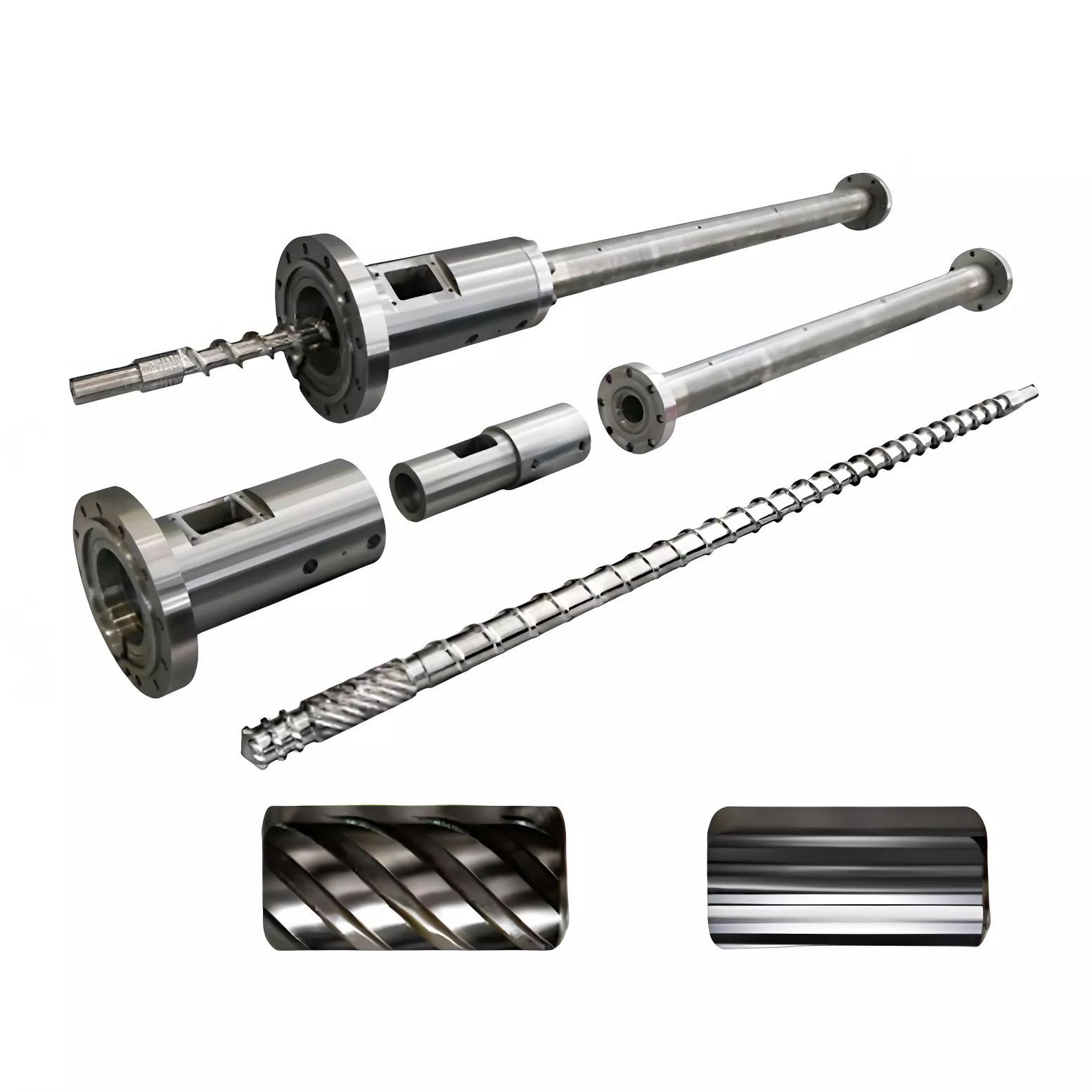
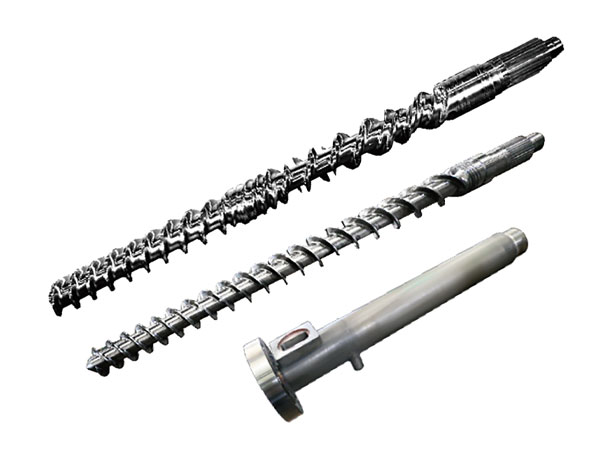
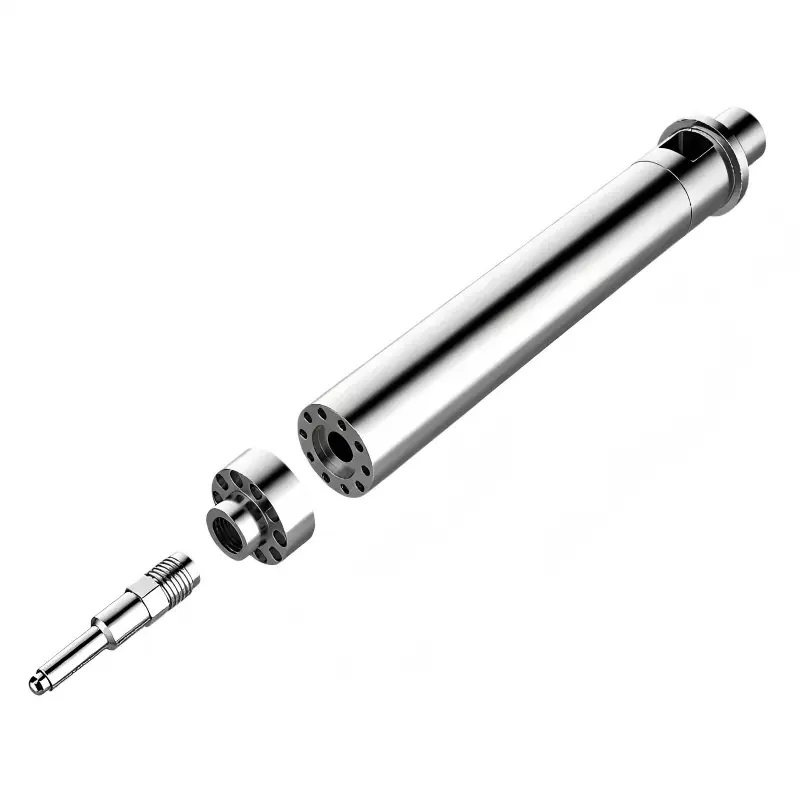
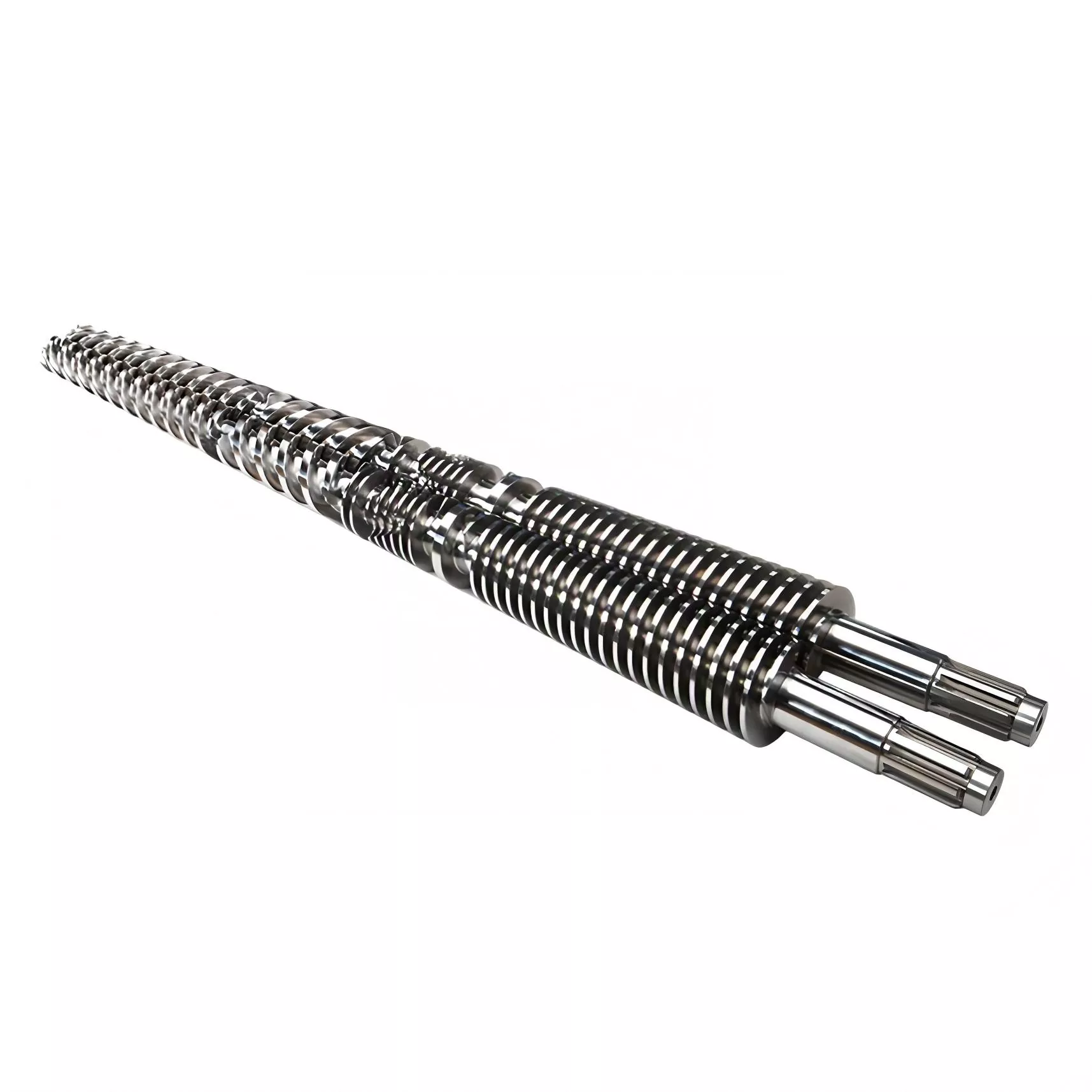
An injection molding machine screw is a precision-engineered rotating component installed inside the barrel of an injection molding machine. Its primary function is to transport, melt, mix, and inject plastic materials into molds under controlled pressure. Although it may appear as a simple mechanical part, the screw plays a decisive role in determining the stability and efficiency of the entire injection molding process.
During production, plastic pellets enter the rear section of the barrel through the hopper. The rotating screw moves these materials forward while generating frictional heat and receiving external heating from the barrel. As the material advances through different screw zones, it gradually transforms from solid pellets into a homogeneous molten plastic mixture ready for injection.
For manufacturers producing automotive components, medical products, electronic housings, packaging parts, and consumer goods, selecting a high-quality injection molding machine screw is essential for maintaining consistent production quality.
Main Functions of an Injection Molding Machine Screw:
- Transporting plastic pellets from the hopper to the barrel
- Melting plastic materials evenly through shear force and heat transfer
- Mixing additives, colors, and fillers uniformly
- Building injection pressure for mold filling
- Ensuring stable and repeatable molding cycles
2. How Does an Injection Molding Machine Screw Work?
The working process of an injection molding machine screw can be divided into three main stages: feeding, plasticizing, and injection. Each stage requires precise screw design and manufacturing accuracy to achieve reliable performance.
| Processing Stage | Main Function | Impact on Production |
|---|---|---|
| Feeding Zone | Transfers plastic pellets into the barrel | Determines material supply stability |
| Compression Zone | Melts and compresses plastic materials | Affects melting quality and mixing performance |
| Metering Zone | Creates a uniform melt flow | Improves injection accuracy and product consistency |
| Injection Stage | Pushes molten plastic into the mold cavity | Controls filling speed and molding quality |
A well-designed screw creates balanced melting conditions and minimizes temperature fluctuations. When the screw geometry matches the material characteristics, manufacturers can achieve faster cycles, reduced defects, and improved energy efficiency.
3. Why Is the Screw Important for Injection Molding Performance?
Many manufacturers focus on the injection machine itself while overlooking the importance of the screw. However, the screw is the component directly interacting with plastic materials throughout thousands or even millions of production cycles.
A high-performance injection molding machine screw can significantly improve production efficiency by ensuring stable melting, accurate dosing, and consistent injection pressure.
3.1 Improving Plasticizing Efficiency
Different plastics require different melting characteristics. Materials such as PP, ABS, PC, PVC, and nylon have unique viscosity and temperature requirements. A properly designed screw helps achieve complete melting without overheating or degrading the material.
3.2 Reducing Product Defects
Many common injection molding defects are related to screw performance, including:
- Color inconsistency
- Black spots caused by material degradation
- Short shots due to insufficient melting
- Uneven filling caused by unstable pressure
- Surface defects caused by poor material mixing
3.3 Increasing Production Efficiency
A suitable screw design reduces plasticizing time and improves cycle efficiency. For large-scale manufacturing operations, even a small improvement in cycle time can create significant cost savings.
4. Key Structural Designs of Injection Molding Machine Screws
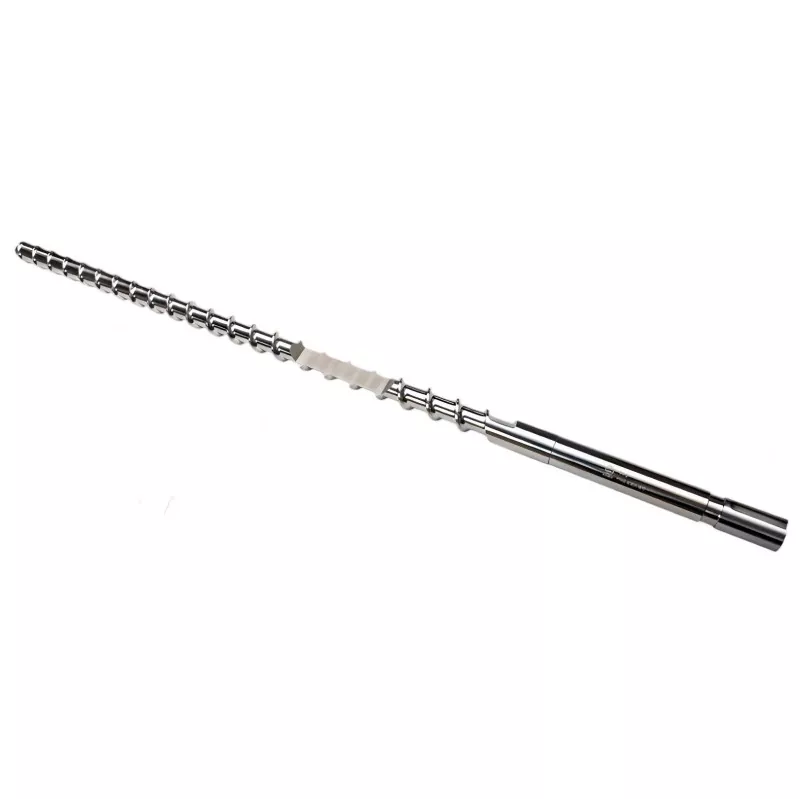
The performance of an injection molding machine screw depends heavily on its structural design. Engineers consider screw diameter, length-to-diameter ratio, compression ratio, flight design, and material selection during manufacturing.
| Screw Parameter | Description | Performance Influence |
|---|---|---|
| Screw Diameter | The external diameter of the screw | Affects plasticizing capacity and injection volume |
| L/D Ratio | Length compared with diameter | Controls melting efficiency and mixing ability |
| Compression Ratio | Relationship between feeding and metering channel depth | Influences melting pressure and material quality |
| Flight Design | Screw thread structure | Determines material conveying and mixing performance |
Different applications require customized screw designs. For example, a screw used for high-temperature engineering plastics requires different surface treatment and geometry compared with a screw designed for general-purpose polypropylene processing.
5. Common Problems Caused by Poor Screw Performance
In plastic manufacturing, many production issues are not caused by the injection molding machine itself but by improper screw selection, excessive wear, or unsuitable screw design. Understanding these problems helps manufacturers reduce downtime and improve product quality.
Common Injection Molding Machine Screw Problems:
- Uneven Plastic Melting: Incorrect compression ratio or damaged flights may prevent complete melting, resulting in unstable processing.
- Material Degradation: Excessive shear force or overheating can damage plastic properties and create black spots or burnt marks.
- Poor Mixing Performance: Insufficient mixing may cause uneven colors, inconsistent mechanical strength, and product appearance issues.
- Low Injection Pressure: Screw wear can reduce pressure-building capability and affect mold filling.
- Longer Production Cycles: An inefficient screw requires more time to plasticize materials, increasing manufacturing costs.
For manufacturers producing high-volume plastic components, these problems can significantly impact profitability. Regular inspection and selecting the correct screw configuration are essential steps to maintain stable production.
6. How to Choose the Right Injection Molding Machine Screw?
Choosing the correct injection molding machine screw requires consideration of several factors, including plastic material characteristics, machine specifications, production requirements, and product quality standards.
6.1 Consider the Plastic Material
Different plastic materials have different melting temperatures, viscosity levels, and processing behaviors. A screw designed for one material may not perform well with another.
| Plastic Material | Recommended Screw Features | Typical Applications |
|---|---|---|
| PP (Polypropylene) | General-purpose screw with balanced compression ratio | Packaging, household products, automotive parts |
| ABS | Good mixing capability and moderate shear design | Electronic housings, appliance components |
| PC (Polycarbonate) | High wear resistance and precise temperature control | Optical parts, safety components |
| PVC | Low shear design to prevent material degradation | Pipes, profiles, construction products |
| Nylon | Excellent corrosion resistance and stable compression | Engineering components |
6.2 Match Screw Size with Machine Specifications
The screw diameter, length, and injection capacity should match the injection molding machine. An incorrectly sized screw may cause inefficient plasticizing, unstable injection volume, and unnecessary energy consumption.
6.3 Evaluate Surface Treatment and Material Quality
Because screws operate under high pressure, high temperature, and continuous friction, surface durability is extremely important. High-quality screws often use advanced alloy steels, nitriding treatment, chrome plating, or bimetallic solutions to improve wear resistance and service life.
7. Maintenance Methods to Extend Screw Service Life
Proper maintenance can significantly extend the working life of an injection molding machine screw while maintaining stable production performance.
Recommended Maintenance Practices:
-
Regular Wear Inspection:
Check screw flights, surface condition, and diameter changes regularly to identify early signs of damage. -
Control Processing Temperature:
Avoid excessive heating that may cause plastic degradation and accelerate screw wear. -
Use Suitable Cleaning Methods:
Choose proper purging materials to remove residual plastics without damaging screw surfaces. -
Monitor Material Contamination:
Foreign particles can scratch screw surfaces and reduce operational lifespan. -
Maintain Correct Operating Parameters:
Stable rotation speed and injection pressure help reduce unnecessary mechanical stress.
A preventive maintenance strategy not only protects the screw but also improves overall equipment reliability and reduces unexpected production interruptions.
8. Different Screw Types and Their Applications
Injection molding machine screws are available in various designs to meet different processing requirements. Selecting the right type helps manufacturers achieve better melting performance and product quality.
| Screw Type | Main Characteristics | Suitable Applications |
|---|---|---|
| General Purpose Screw | Balanced design for common plastic materials | Standard injection molding production |
| Barrier Screw | Improved solid-liquid separation and melting efficiency | High-speed production lines |
| Mixing Screw | Enhanced color and additive dispersion | Color masterbatch processing |
| Bimetallic Screw | High wear and corrosion resistance | Long-term industrial applications |
| PVC Special Screw | Low shear and thermal stability design | PVC molding applications |
Customized screw solutions are becoming increasingly important because modern manufacturers process a wider range of engineering plastics and require higher production consistency.
9. Frequently Asked Questions
Q1: How long does an injection molding machine screw usually last?
The service life depends on material type, operating conditions, screw quality, and maintenance practices. Under proper conditions, a high-quality screw can operate for many years in industrial production.
Q2: Why does my injection molding machine produce inconsistent plastic parts?
Inconsistent products may be caused by screw wear, poor melting performance, unstable temperature control, or incorrect screw design. Checking the screw condition is an important troubleshooting step.
Q3: Can one screw process all types of plastic materials?
A general-purpose screw can process many common plastics, but specialized materials often require customized screw designs to achieve the best results.
Q4: When should an injection molding machine screw be replaced?
Replacement is recommended when excessive wear affects plasticizing efficiency, injection pressure, product quality, or energy consumption.
10. Professional Injection Molding Machine Screw Supplier
Reliable screw quality is essential for achieving stable injection molding performance. Professional manufacturers combine advanced processing technology, precise engineering design, and strict quality control to provide durable and efficient screw solutions.
ZHOUSHAN HAPPY PLASTICS MACHINERY CO., LTD. specializes in manufacturing high-quality injection molding machine screws and related plastic machinery components. With extensive industry experience, the company focuses on providing customized screw solutions designed for different materials, machine models, and production requirements.
The company understands that every plastic processing application has unique challenges. From material selection and screw geometry optimization to surface treatment and manufacturing precision, professional support helps customers improve production efficiency, reduce maintenance costs, and achieve consistent product quality.
Improve Your Injection Molding Performance Today
Choosing the right injection molding machine screw can make a significant difference in product quality, production speed, and operational costs. Whether you need a standard replacement screw or a customized solution for special plastic materials, working with an experienced manufacturer is the key to achieving long-term performance.
For professional injection molding machine screw solutions, please contact us at ZHOUSHAN HAPPY PLASTICS MACHINERY CO., LTD. Our team is ready to provide reliable products, technical support, and customized solutions for global plastic manufacturers.
Related News
- What Is a Halogen-Free Screw and Why Does It Matter in Plastic Processing?
- What Makes a Conical Twin Screw and Barrel Reliable for Demanding Plastic Extrusion?
- How Can You Choose the Right Screw for Chen Hsong Injection Machine?
- How Does an Injection Screw Head Improve Plasticizing Performance in Injection Molding?
- How Does an Inject Mold Screw Barrel Improve Injection Molding Performance?
- How Does Injection Machines Bimetallic Screw Improve Plastic Processing Performance?
Leave me a message