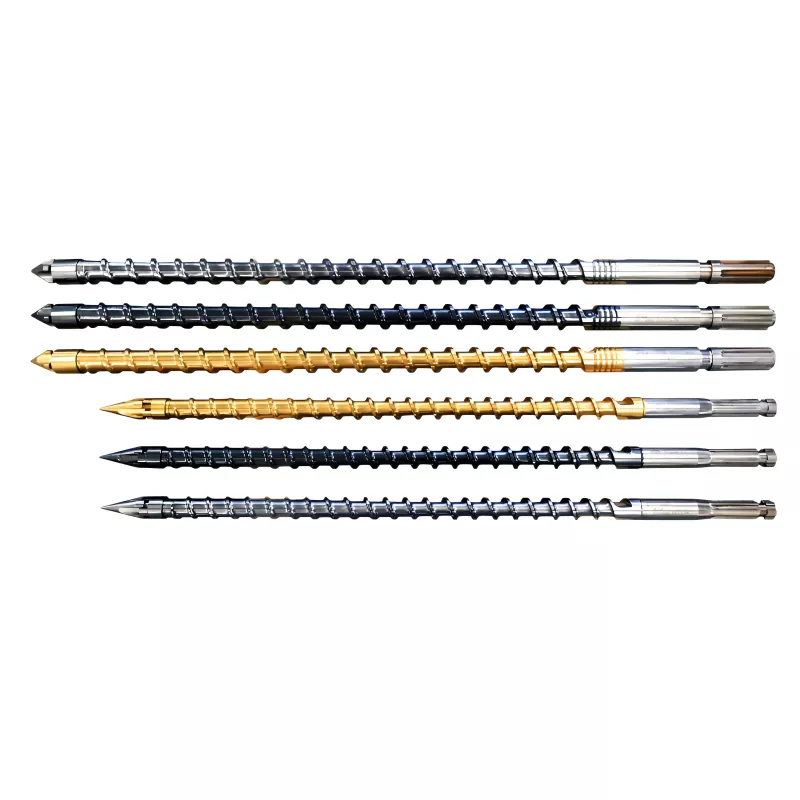
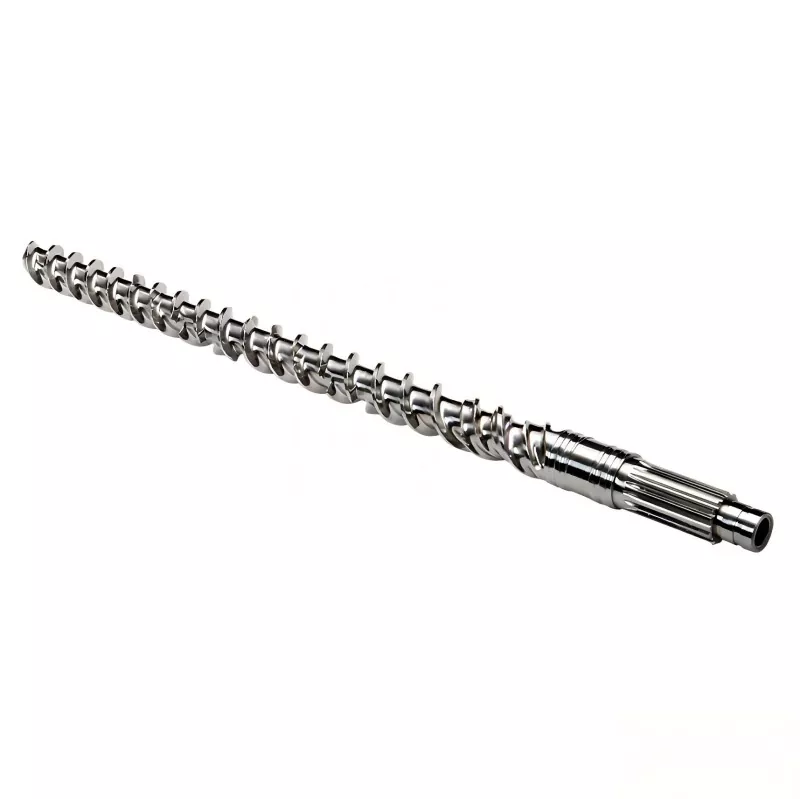
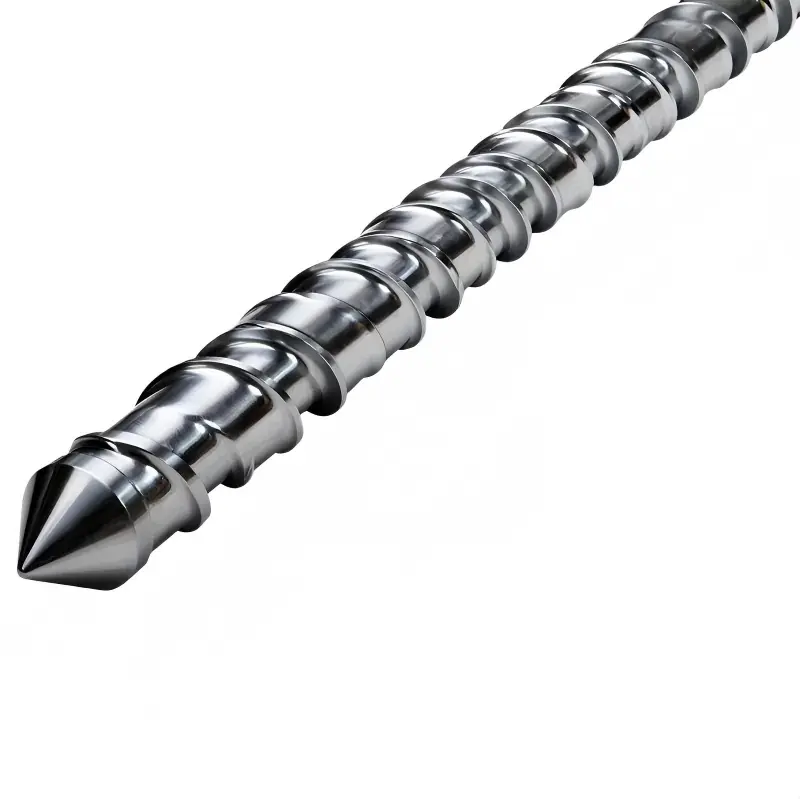
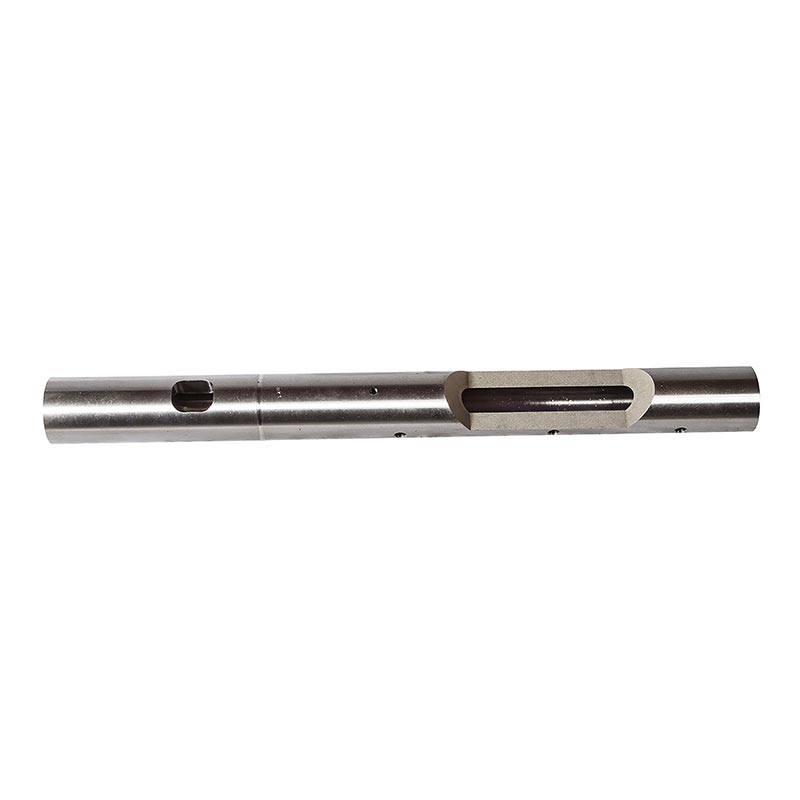
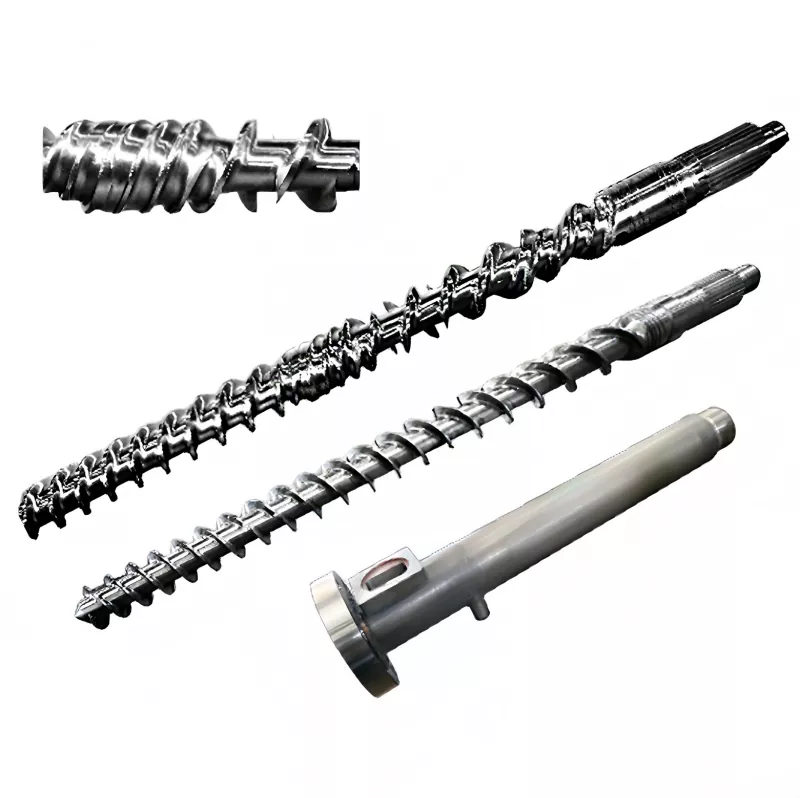
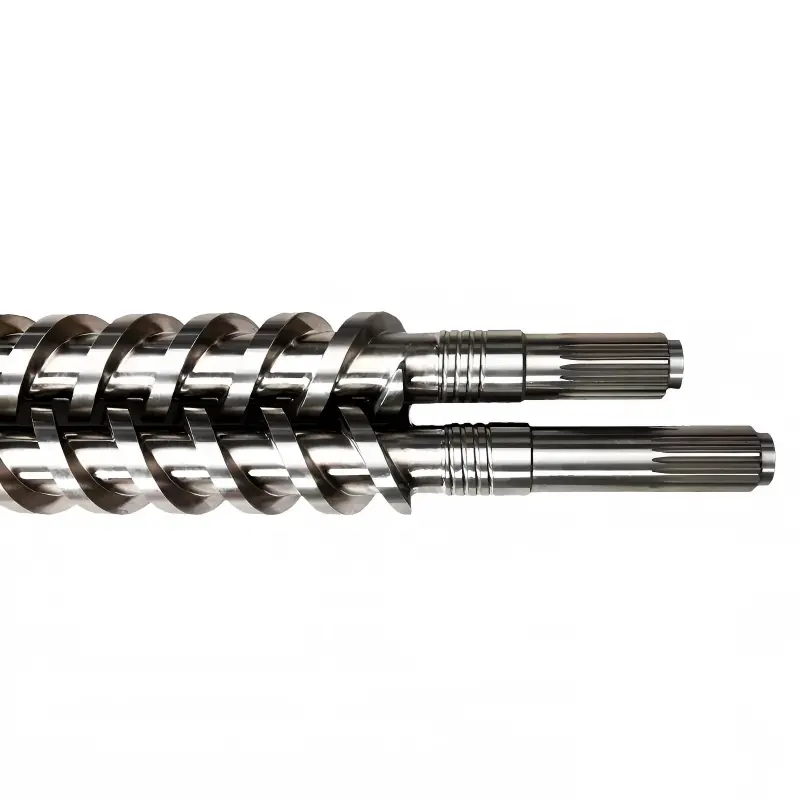
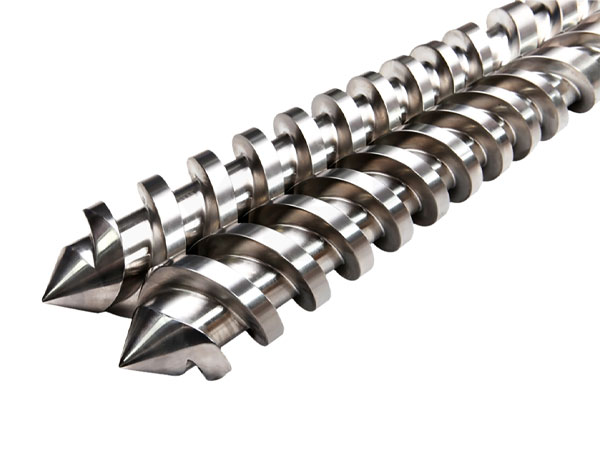
The rubber material pressure borne by the screw and barrel in a rubber extruder (rubber machine) is not a fixed value, but dynamically changes according to the equipment type, process conditions, material characteristics, and product requirements. Based on current authoritative public information, it can be summarized as follows:
Pressure range and influencing factors
Typical head pressure range: During the rubber single screw extrusion process, the pressure of the rubber material inside the head is usually 5-30 MPa, depending on the die design, extrusion speed, and rubber viscosity.
Plasticization pressure (back pressure): During the plasticization stage, in order to ensure the density and uniformity of the melt, a back pressure (plasticization pressure) of about 0.5-2.5 MPa is often applied, which is controlled by adjusting the injection cylinder return throttle valve.
Twin screw system pressure: Due to the strong shear effect, the local pressure of the twin screw extruder may be higher, and the outlet pressure can reach 10-50 MPa, especially under high filling or high viscosity rubber materials.
Key Instructions
There is no unified "standard pressure": Rubber extrusion is a non-Newtonian fluid processing process, and the pressure is affected by multiple factors such as screw speed, barrel temperature, rubber formula, and die resistance.
The importance of pressure monitoring: Real time monitoring of machine head pressure helps ensure product size stability, surface quality, and production safety.
Equipment differences: Single screw and twin-screw/planetary screw structures are different, and there are significant differences in pressure distribution and peak values.
We use cookies to offer you a better browsing experience, analyze site traffic and personalize content. By using this site, you agree to our use of cookies. Privacy Policy