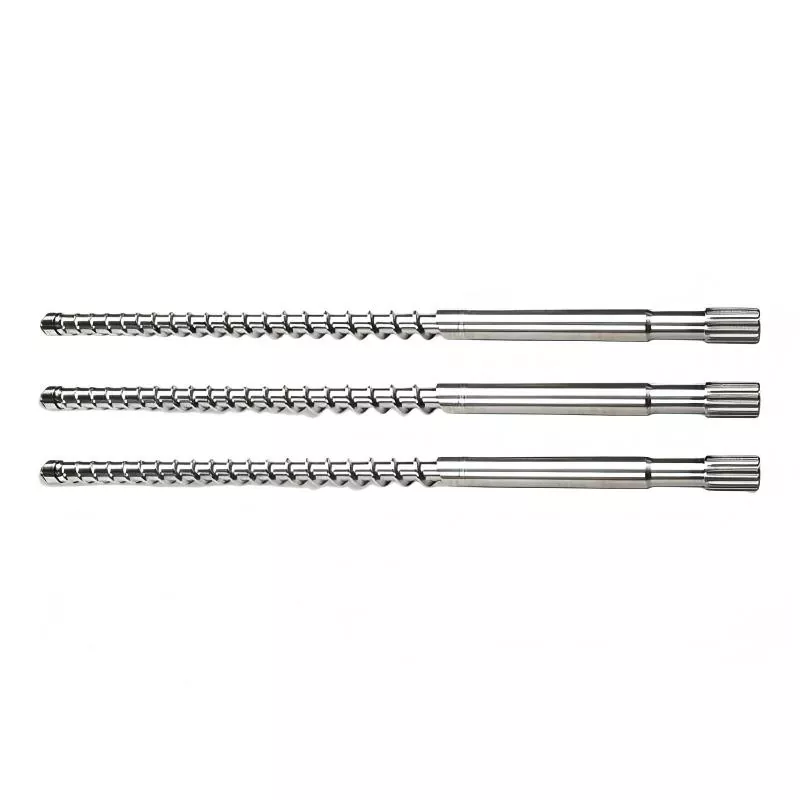
Plastic Injection Machine Screw
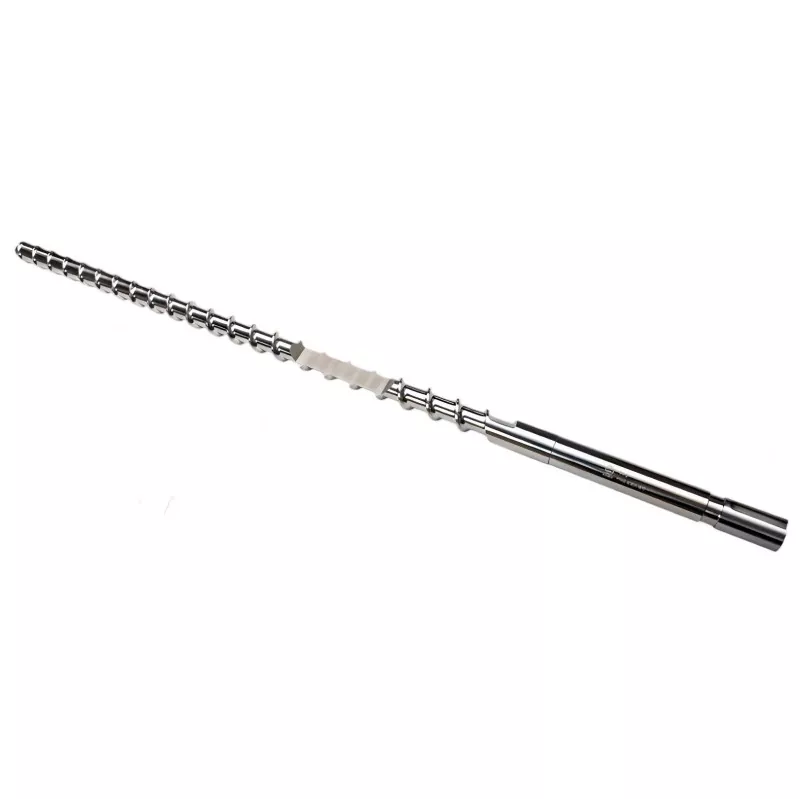
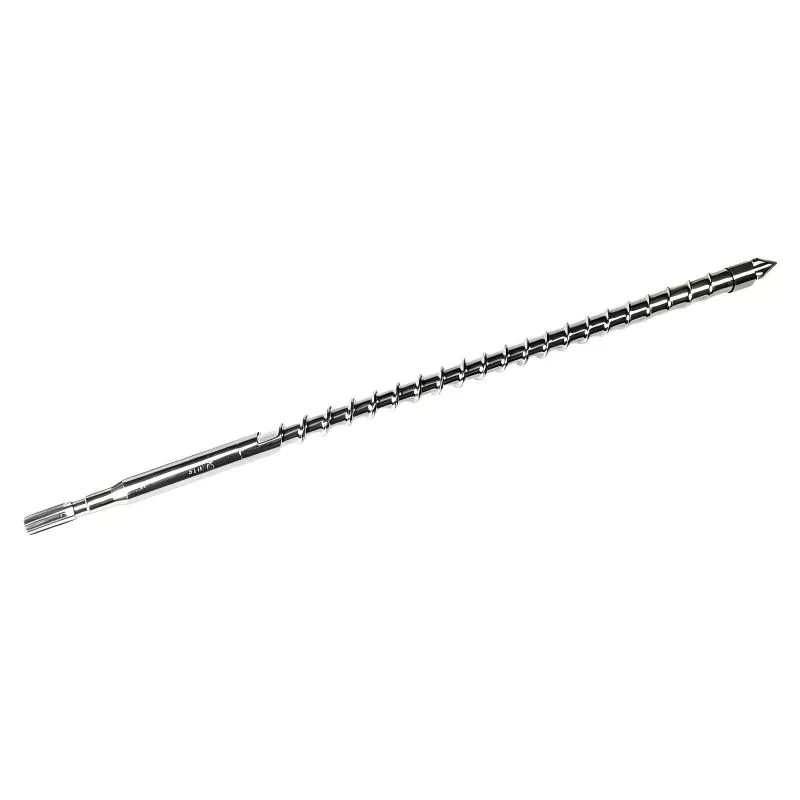
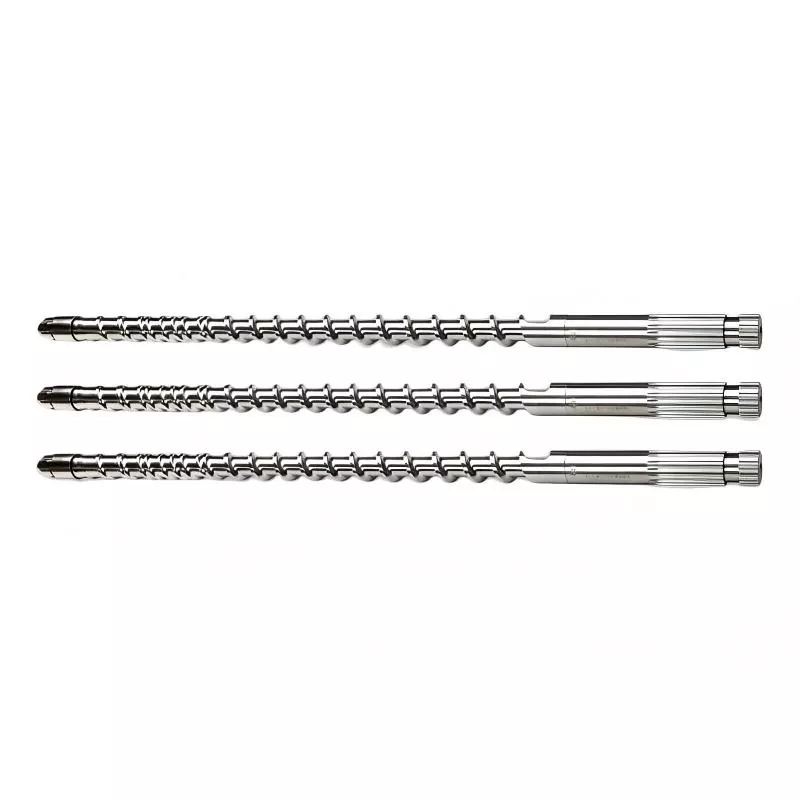
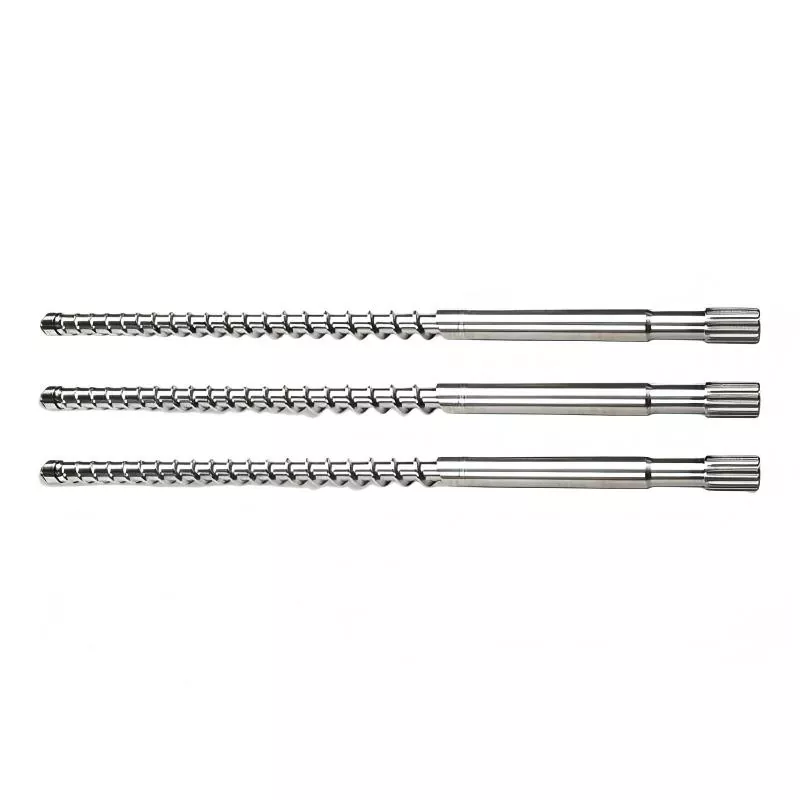
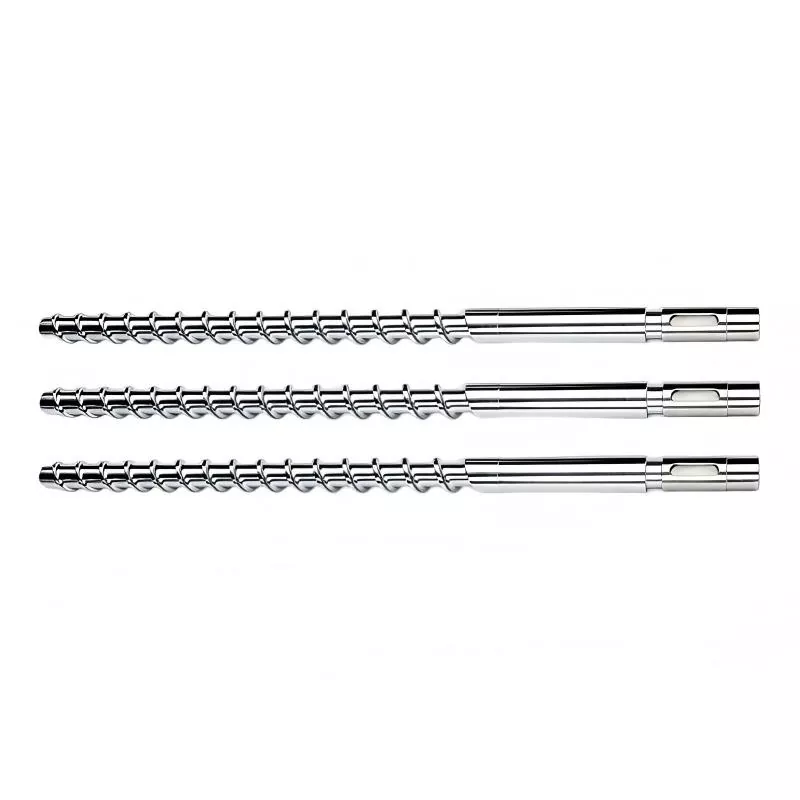
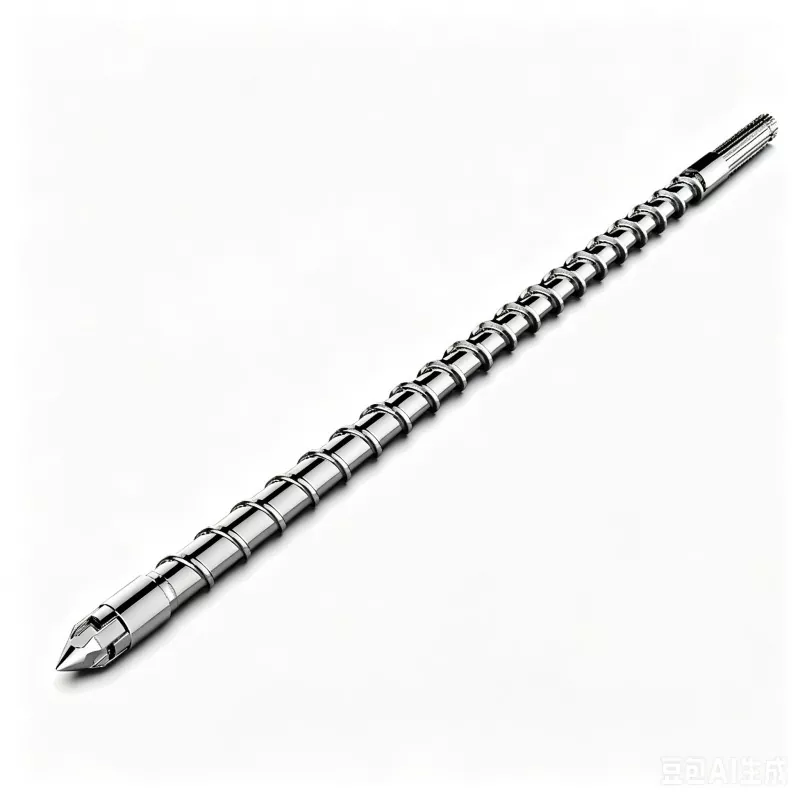
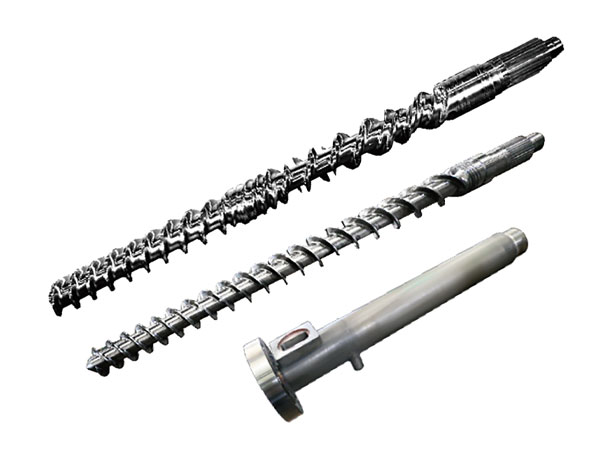
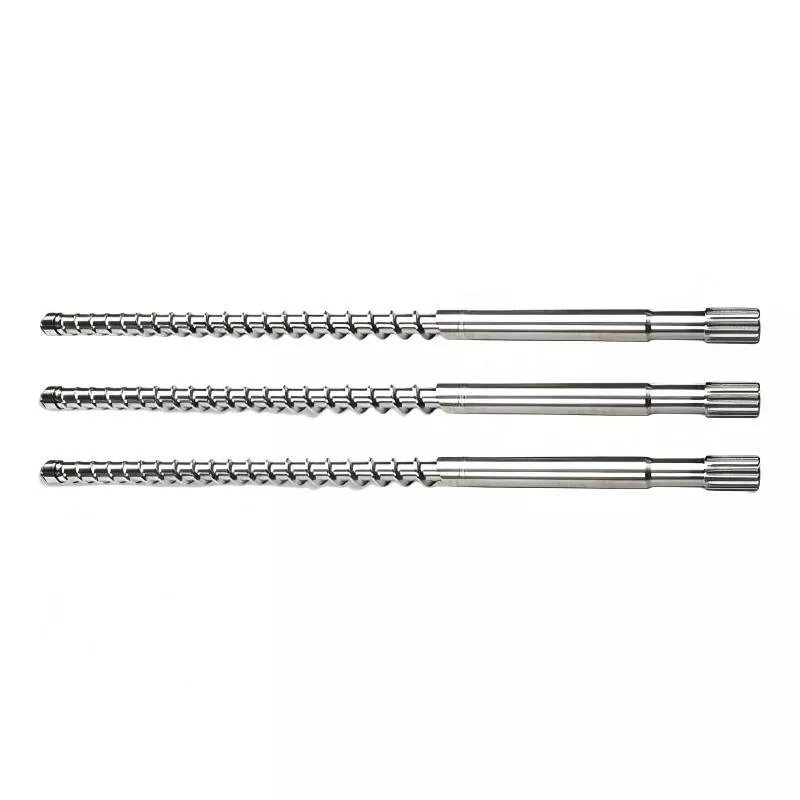
Welcome to buy high quality Plastic Injection Machine Screw from HAPPY PLASTICS, we are a reliable manufacturer in China. This product can significantly lift overall production efficiency. Our custom-designed geometric profiles deliver homogeneous melt and stabilize shot-to-shot weight consistency, cutting defective molding rates by up to 18%.
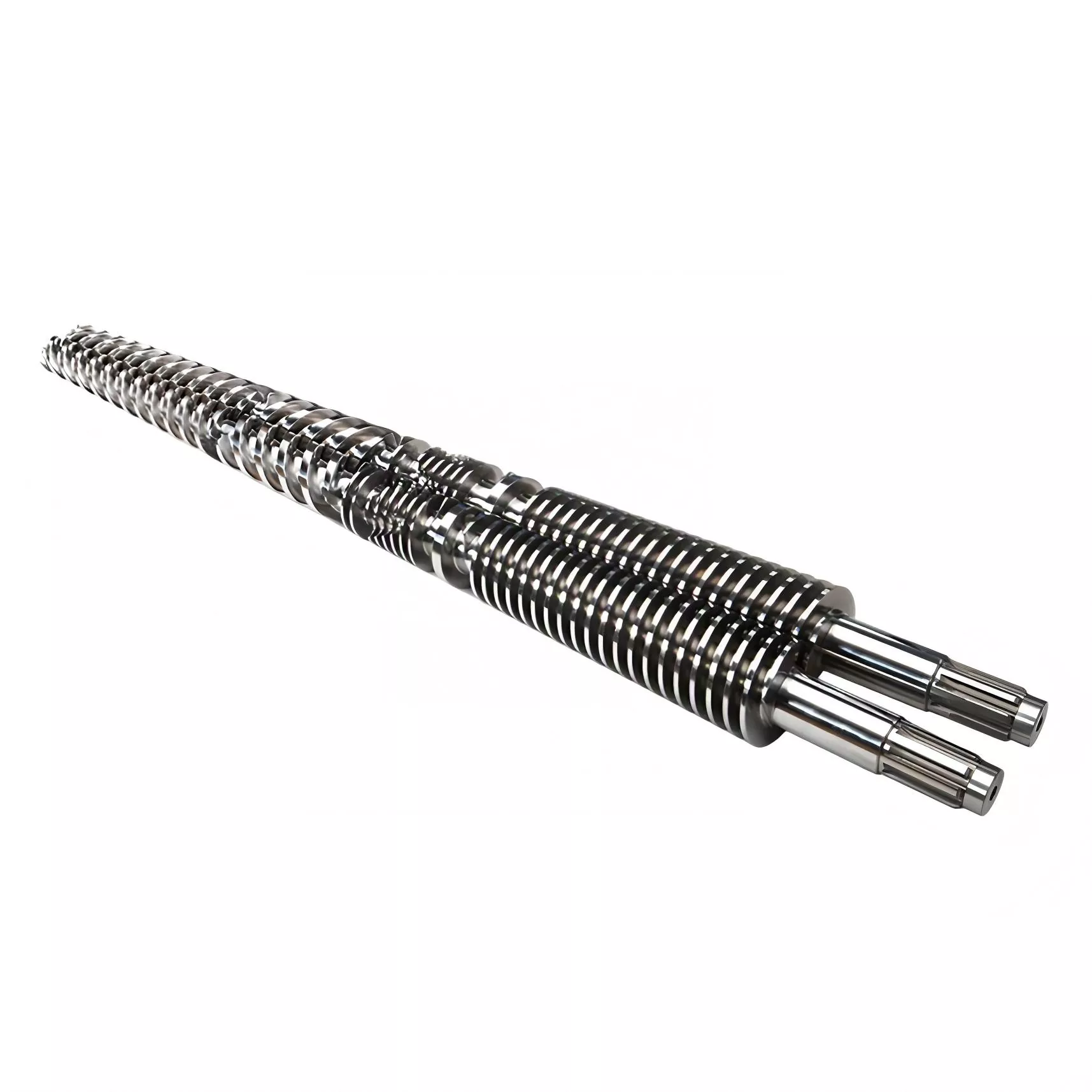
Sourcing from a reliable Chinese manufacturer of Plastic Injection Machine Screw guarantees non-stop stable operation for your production line. HAPPY PLASTICS adopts high-precision five-axis CNC milling and advanced bimetallic alloy overlay welding to manufacture long-service-life screws. These products solve flight surface abrasion, lower power consumption, and eradicate black speck defects during material switching and color changeover.
Structural Configurations
To maintain stable performance under complex thermal and mechanical loads, HAPPY PLASTICS’s Plastic Injection Machine Screw adopts targeted metallurgical treatment matched to different molding resins:
• SACM645 (38CrMoAlA) Nitrided Steel: 72-hour deep gas nitriding treatment, surface hardness ≥ 950 HV, effective nitriding depth 0.5–0.7 mm. Ideal for non-abrasive general plastics such as PP, PE and ABS.
• SKD61 & DC53 Full Quenched Steel: Vacuum heat treated to HRC 56–60, with outstanding torque resistance, suitable for rigid transparent resins including PC and PMMA.
• Tungsten Carbide Bimetallic Cladding: 1.5–2.0 mm alloy layer arc welded on screw flight tops, hardness HRC 62–65, effectively resisting abrasion caused by 30%–50% glass fiber reinforced plastics.
• Shaft Straightness Tolerance: Full-length straightness controlled below 0.02 mm to avoid unilateral friction and scratch damage on barrel inner walls.
Matching Appropriate Screw Profile to Molding Resins
Generic standard screw profiles easily trigger component wear and slow cycle efficiency. Selecting a tailored Plastic Injection Machine Screw according to your raw materials can extend service life and shorten molding cycles:
Gradient Compression Screw (Long Transition Section)
The transition zone accounts for 40%–50% of total screw length, realizing gradual heat transfer. Perfect for heat-sensitive crystalline plastics like PVC and POM, which avoids excessive local shear and prevents yellowing of finished products.
Abrupt Transition Screw (Short Transition Section)
Only 1–2 pitches of rapid compression transition, specially designed for amorphous resins with clear melting points such as PA66 nylon and PET. It achieves fast melting and avoids solid particle blockage.
Barrier Screw
An auxiliary barrier flight is added to separate unmelted solid pellets and molten melt into independent flow channels. It completely eliminates unmelted particles in high-speed packaging production and boosts output capacity by 22%.
Daily Maintenance & Operation Specifications
Standardized operation rules can effectively prevent premature fatigue deformation of the Plastic Injection Machine Screw:
• Forbid Cold Startup: Do not start the injection motor immediately after heaters reach set temperature. Maintain heat soaking for 15–20 minutes to fully melt residual plastic in flight root gaps and avoid high torque breaking the screw shaft.
• Alkaline Purging Operation Standard: When switching from corrosive resins (flame-retardant ABS, PVC) to general plastics, flush the barrel promptly with high-molecular-weight PMMA or special purging compound to neutralize acidic volatile gas.
• Limit Rotational Linear Speed for Filled Materials: When processing glass fiber reinforced compounds, control screw surface linear speed below 0.2 m/s. Excessively fast rotation will accelerate glass fiber scouring and shorten the service life of bimetallic flights.
Replacement Judgment Standard for Worn Screws
Factories can judge whether the Plastic Injection Machine Screw needs replacement through real-time production data to avoid sudden equipment failure:
|
Detection Item |
Normal Standard |
Replacement Critical Value |
Corresponding Molding Defect |
|
Radial clearance between flight and barrel |
0.03 mm – 0.06 mm |
≥ 0.15 mm |
Severe melt backflow, unstable plasticizing time |
|
Fluctuation of melt cushion length |
±0.5 mm |
≥ ±3.0 mm |
Unstable part weight, frequent short shots |
|
Shaft radial runout (straightness) |
≤ 0.02 mm |
≥ 0.08 mm |
Local barrel inner wall scratch, metal impurity black spots |
FAQ
Q: When molding high-flow PP with ordinary general screws, unmelted particles and silver streaks appear on finished products. What is the root cause?
A: This issue arises from mismatched L/D ratio and compression profile for high-flow resin. Raw materials pass through the feeding section too quickly and cannot absorb uniform heat from the barrel heater. Replacing with customized barrier-type Plastic Injection Machine Screw can physically separate solid and molten phases; all pellets pass through narrow clearance for complete plasticization, eliminating surface cosmetic defects thoroughly.
Q: How to clean solidified residual plastic on screw flights without damaging the bimetallic coating?
A: Never use gas torches to burn off plastic. Local overheating will destroy the heat-treated metal crystal structure and reduce the hardness of the bimetallic alloy layer. Pull out the screw while it remains hot, then clean residues with copper wire mesh, brass brushes or aluminum scrapers. For hard engineering plastics, place the screw in an oven below 350°C to soften the resin without damaging the base tool steel.
Q: The production line mixes 80% standard ABS and 20% glass-filled nylon. How to choose between nitrided screw and bimetallic screw?
A: If glass fiber materials are used even occasionally, ordinary nitrided screws will wear rapidly once the 0.5 mm thin nitrided layer is worn away. Glass fibers act as abrasive medium to quickly scour the soft base steel underneath. Mixed production lines must adopt bimetallic Plastic Injection Machine Screw. Tungsten carbide alloy cladding protects flight tops during nylon molding, while it also works stably for daily ABS production.
Hot Tags: Injection Molding Screw, Plasticizing Screw, Plastic Injection Machine Screw
Send Inquiry
Contact Info
-
Address
No. 217, Qiaoxing East Road, Dafeng, Jintang Town, Dinghai District, Zhoushan City, Zhejiang Province, China
-
Tel
-
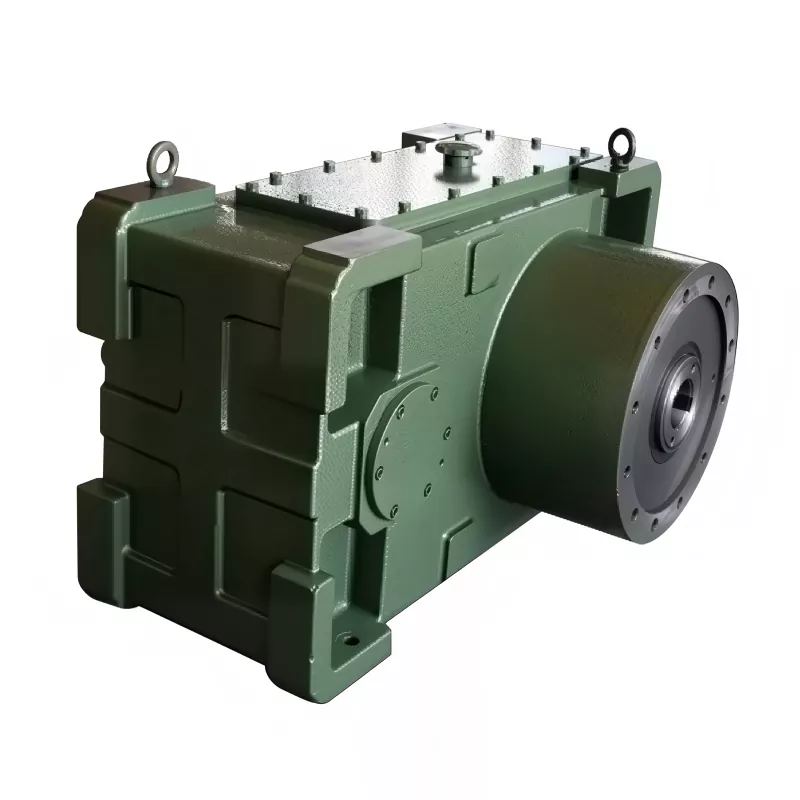
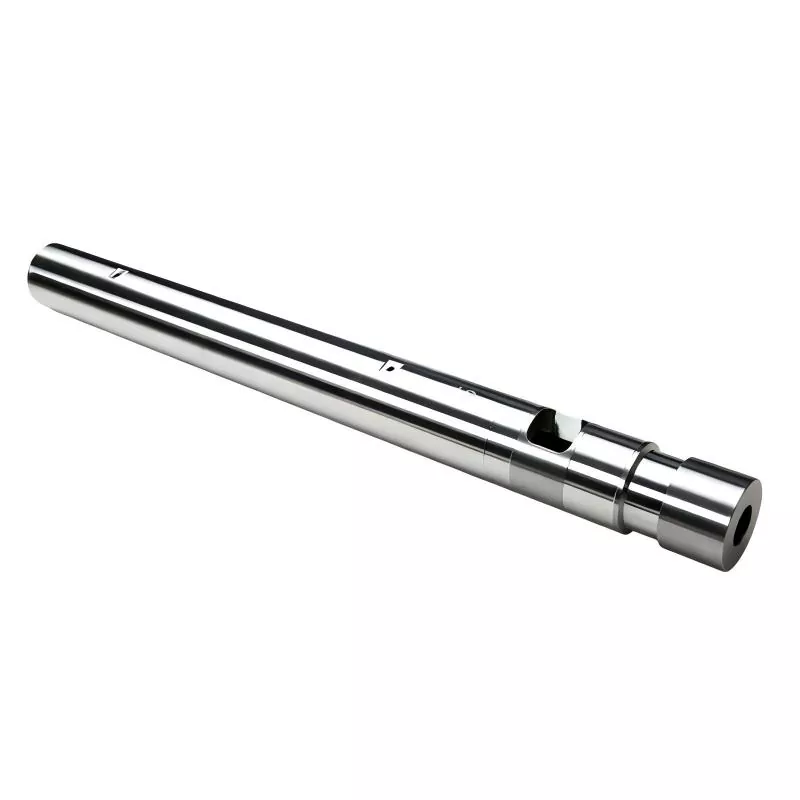
For inquiries about injection molding machine barrel, injection molding machine screw, extruder gearbox or price list, please leave your email to us and we will be in touch within 24 hours.