
What Makes a Conical Twin Screw and Barrel Reliable for Demanding Plastic Extrusion?
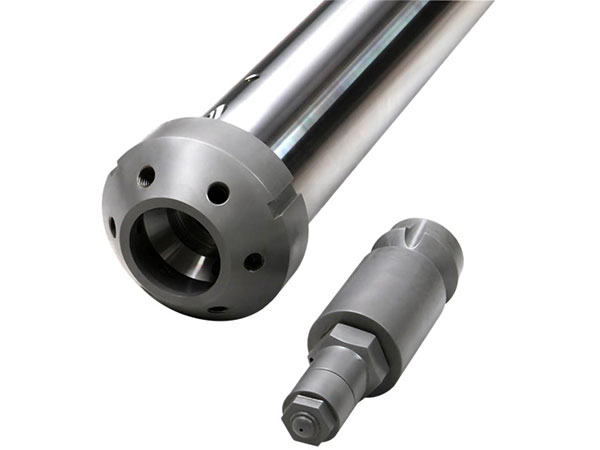
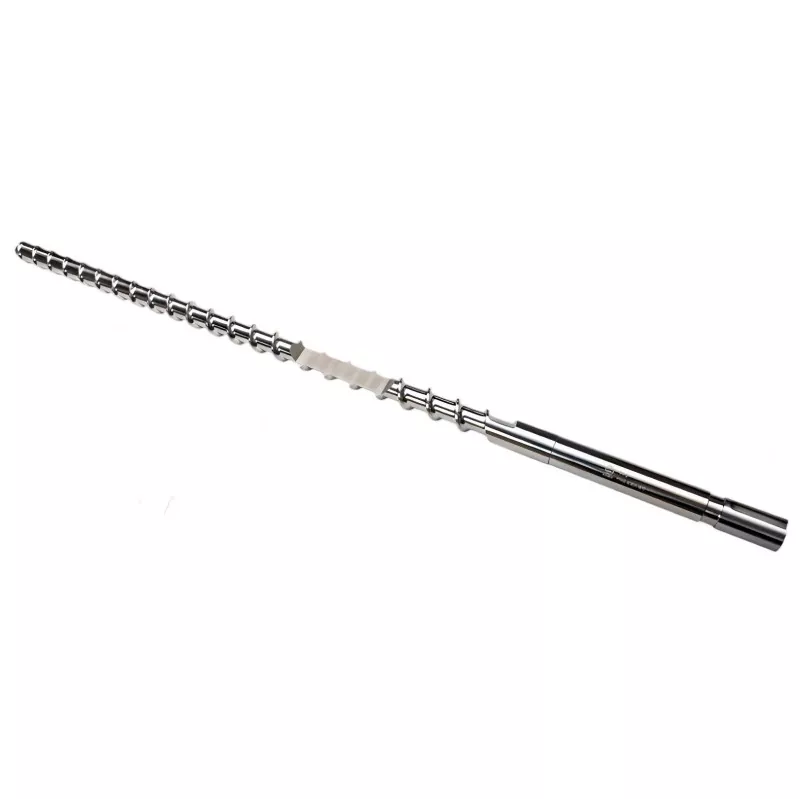
A conical twin screw and barrel is a critical working component in many plastic extrusion systems, particularly PVC pipe, profile, sheet, board, foam board, WPC and other demanding applications. Its tapered geometry helps create progressive compression, conveying, melting and mixing along the extrusion process. However, reliable production depends on much more than the basic shape of the screw and barrel. Material selection, screw geometry, barrel construction, processing formulation, clearance, temperature control and maintenance all influence performance.
For manufacturers, the real challenge is often not finding a replacement screw and barrel, but finding a combination that remains stable under actual production conditions. High calcium carbonate content, abrasive additives, recycled material, corrosive compounds, excessive torque and improper machine alignment can accelerate wear and reduce output. This guide explains the main factors buyers should consider when evaluating a conical twin screw and barrel and how the right specification can help improve production consistency and equipment service life.
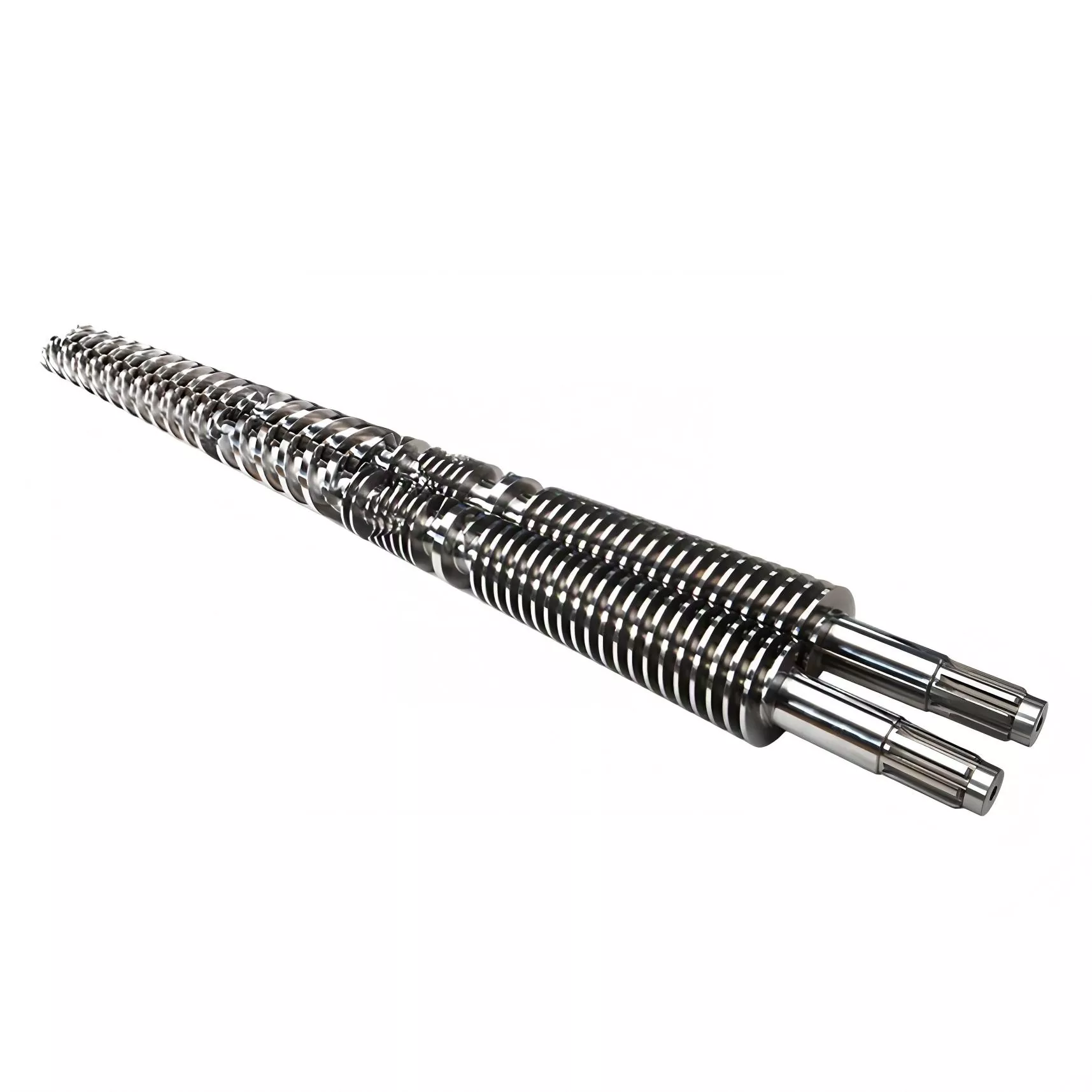
Table of Contents
- What Is a Conical Twin Screw and Barrel?
- How Does the Conical Structure Support Extrusion?
- Where Are Conical Twin Screw and Barrel Systems Used?
- What Production Problems Can the Right Screw and Barrel Solve?
- Which Materials and Surface Treatments Matter?
- How Does Wear Affect Extrusion Performance?
- How Should Buyers Specify a Conical Twin Screw and Barrel?
- How Can Service Life Be Extended?
- Buyer Checklist
- Frequently Asked Questions
- Conclusion
1. What Is a Conical Twin Screw and Barrel?
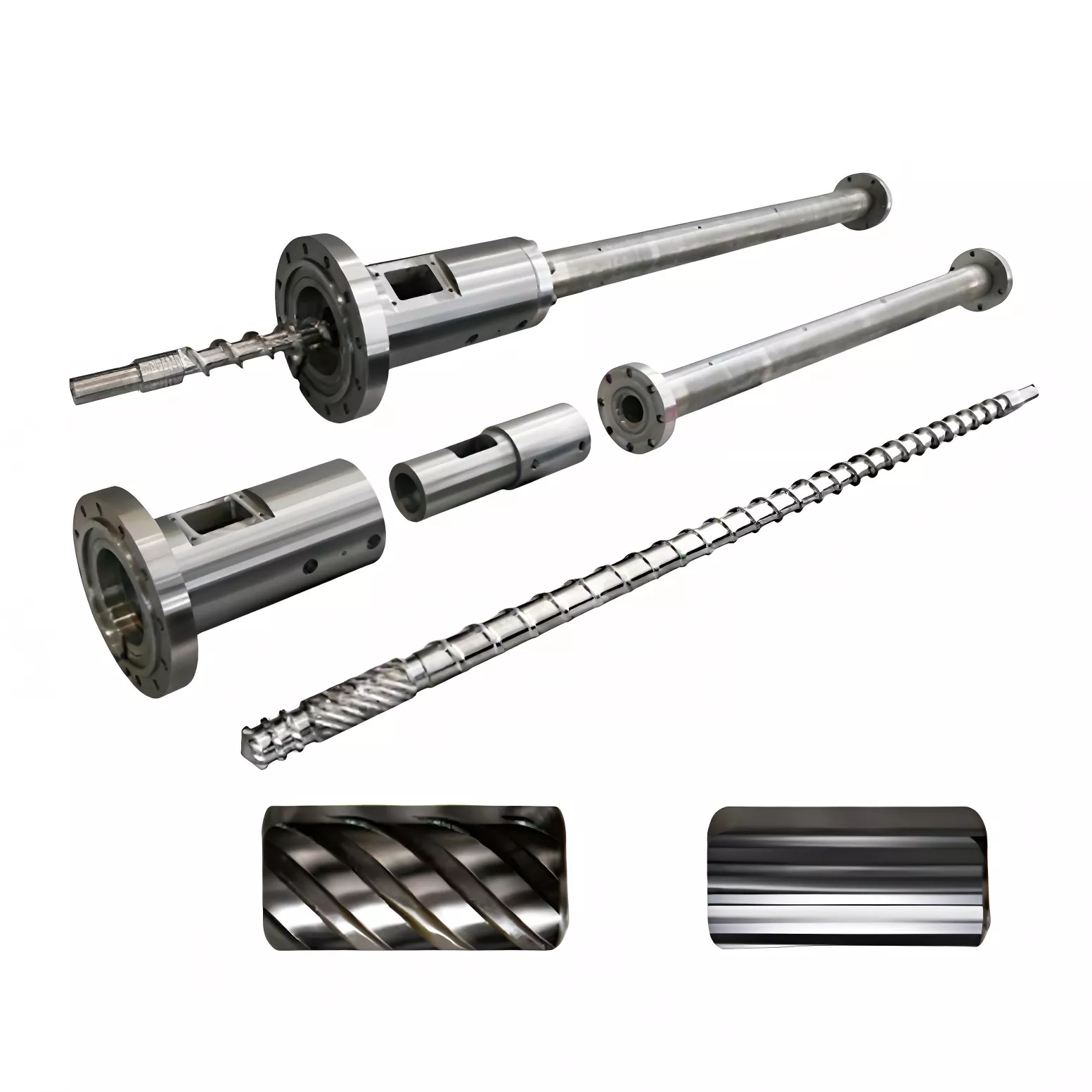
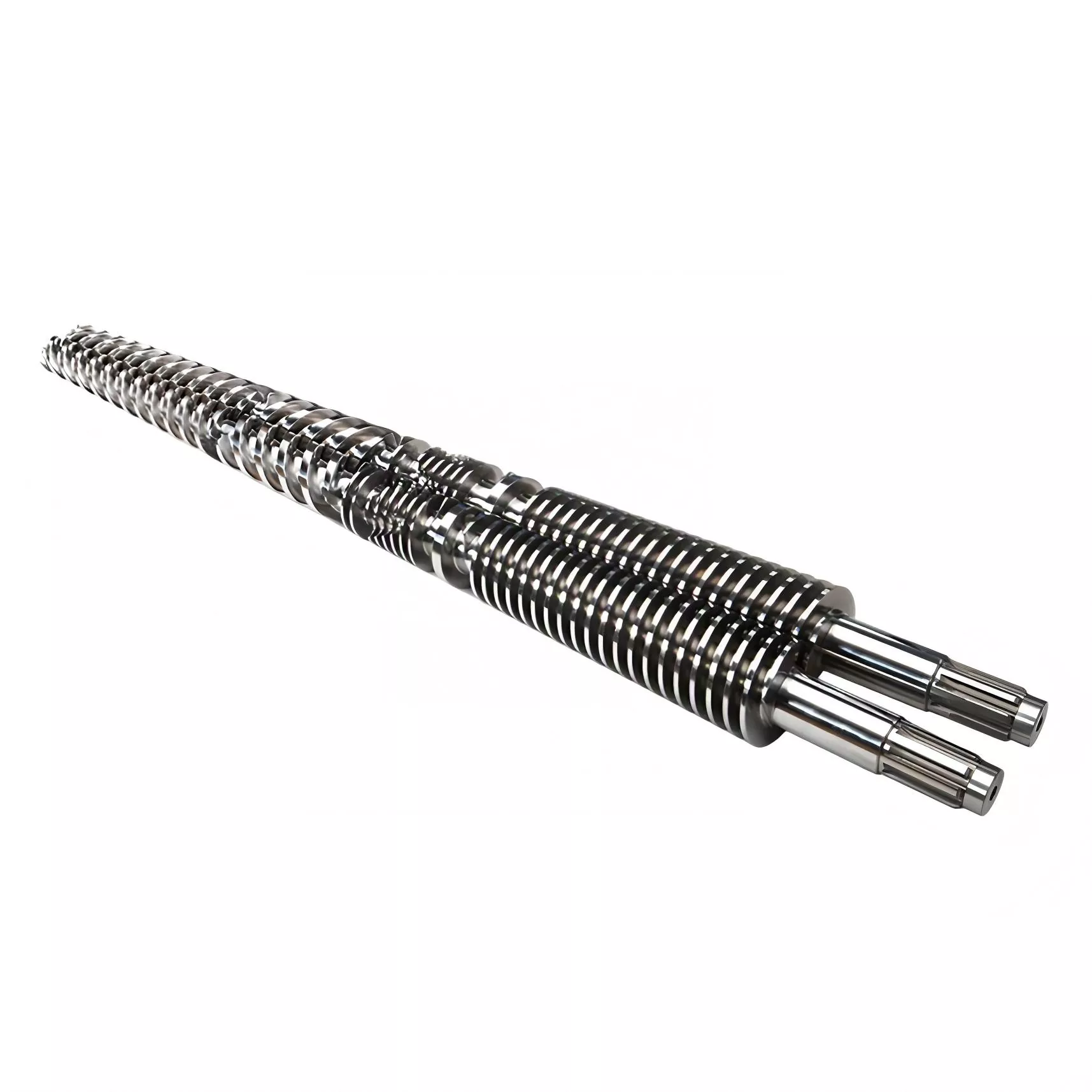
A conical twin screw and barrel consists of two tapered screws operating inside a matching tapered barrel. Unlike a parallel twin screw system, where the screw diameter remains relatively constant, a conical configuration gradually changes in diameter along the processing direction.
The larger feed section provides space for material intake, while the progressively smaller downstream section contributes to compression and plasticizing. The two screws work together to convey, compress, mix and melt the material before it reaches the die.
This configuration is particularly associated with PVC processing because rigid PVC requires controlled melting and plasticizing conditions. Industry suppliers commonly specify conical twin screw barrels for PVC pipes, profiles, sheets, foam boards, pellets and related products.
Key point: The screw and barrel should be considered as one working system. Screw geometry, barrel bore, clearance, material formulation and machine conditions must work together rather than being evaluated independently.
2. How Does the Conical Structure Support Extrusion?
The tapered geometry creates a continuously changing processing environment. As the material moves forward, available volume changes and the polymer experiences increasing mechanical interaction. This contributes to compression, melting and homogenization.
The twin screw configuration also creates multiple contact surfaces between the polymer, screws and barrel. When the geometry is correctly matched to the formulation, this interaction can promote uniform plasticization while maintaining controlled material movement.
Feeding Receives and transports raw material into the processing zone.
Compression Progressive geometry increases material compaction as processing continues.
Plasticizing Mechanical energy and controlled barrel heating help convert the formulation into a homogeneous melt.
Discharge Stable melt pressure and uniform material condition support consistent die output.
Because each application has a different formulation and output requirement, screw geometry should not be selected simply by matching the outside diameter. The material, filler loading, product type, machine model and actual operating conditions all influence the appropriate configuration.
3. Where Are Conical Twin Screw and Barrel Systems Used?
Conical twin screw systems are widely associated with PVC and other profile-oriented extrusion processes. Common applications include:
- PVC pipes and fittings
- PVC door and window profiles
- PVC sheets and boards
- PVC foam boards
- WPC profiles and boards
- SPC and related flooring materials
- PVC pelletizing and compounding
- Other customized extrusion products
Different suppliers list conical twin screw barrels for pipe, profile, sheet, board and WPC production, while specifications can vary substantially according to machine design and formulation.
| Application | Typical Material | Main Processing Concern |
|---|---|---|
| PVC Pipe | PVC / PVC-U | Stable plasticizing and output |
| PVC Profile | Rigid PVC | Melt uniformity and dimensional stability |
| WPC Products | PVC/PE + wood or mineral fillers | Abrasion and thermal control |
| Foam Board | PVC-based formulation | Plasticizing and controlled melt condition |
4. What Production Problems Can the Right Screw and Barrel Solve?
Extrusion customers usually do not purchase a screw and barrel simply because a component has reached the end of its theoretical service life. More often, there is a production problem behind the replacement request.
Problem: Output gradually decreases.
Possible causes include increased screw-to-barrel clearance, worn flight surfaces, formulation changes or unstable feeding.
Problem: Plasticization becomes inconsistent.
The screw geometry, compression profile, temperature distribution and wear condition may no longer provide the intended processing environment.
Problem: Product quality fluctuates.
Non-uniform melting or unstable pressure can contribute to dimensional variation, surface defects and inconsistent product characteristics.
Problem: Maintenance becomes frequent.
A material or surface treatment that is poorly matched to the formulation can accelerate wear, especially when abrasive fillers are involved.
A replacement should therefore address the operating problem rather than simply duplicate the dimensions of an old component. The best specification is the one that matches the actual material, production target and machine environment.
5. Which Materials and Surface Treatments Matter?
Screw and barrel metallurgy has a direct influence on durability. Common options include nitrided steels, hardened alloy steels and bimetallic constructions. For highly abrasive or corrosive applications, manufacturers may consider specialized alloys or hardened liners.
Publicly available industrial specifications show examples using materials such as 38CrMoAlA, SCM440 and other alloy steels, with nitriding, chrome treatment or bimetallic construction depending on the application.
| Construction | Potential Advantage | Typical Consideration |
|---|---|---|
| Nitrided Steel | Good surface hardness and practical cost | May require upgrading for highly abrasive formulations |
| Bimetallic Barrel | Enhanced resistance in demanding conditions | Higher initial manufacturing cost |
| Hardened Alloy Construction | Suitable for applications requiring stronger wear resistance | Material must be matched to the processing environment |
| Replaceable Wear Liner | Can simplify future wear-part replacement | Requires compatible barrel construction and accurate installation |
The correct choice depends on the formulation rather than the material name alone. Calcium carbonate, glass fiber, talc, recycled compounds and other hard fillers can increase abrasive loading. Corrosive processing conditions can create a different wear mechanism.
6. How Does Wear Affect Extrusion Performance?
Wear is one of the most important reasons for declining extrusion performance. The clearance between the screw flights and barrel surface is carefully controlled in a new system. As wear increases that clearance, more material can flow backward around the flight tips instead of moving efficiently toward the die.
The result may appear gradually: lower output at the same screw speed, higher energy demand, increased melt temperature, unstable pressure or inconsistent product quality. Severe wear can also change the intended compression and plasticizing behavior of the system.
Common Wear Sources
- Abrasive mineral fillers
- Glass fiber or other hard reinforcement
- High filler loading
- Recycled material containing contaminants
- Incorrect screw-to-barrel clearance
- Misalignment or excessive side loading
- Improper temperature control
- Overloading or foreign material entering the extruder
Importantly, wear is not always uniform along the entire conical profile. Different sections can experience different mechanical and chemical conditions, so inspection should evaluate the complete working area rather than relying on a single measurement point.
7. How Should Buyers Specify a Conical Twin Screw and Barrel?
One of the most common purchasing mistakes is sending only a machine model or screw diameter to a manufacturer. That information is useful, but it may not be enough to determine the correct design.
A more reliable technical inquiry should include the following information:
- Extruder manufacturer and machine model: This establishes the basic mechanical envelope.
- Screw and barrel dimensions: Include diameter, length, taper and relevant drawings when available.
- Processed material: Specify PVC, WPC, SPC or another formulation.
- Filler content: State calcium carbonate or other filler percentage whenever applicable.
- Target output: Provide the required production rate in kg/h.
- Screw speed: Actual operating RPM helps determine processing conditions.
- Temperature profile: Current barrel and melt temperatures can reveal operating constraints.
- Current wear condition: Photos, measurements or production symptoms can help diagnose the existing problem.
- Product type: Pipe, profile, sheet, board, flooring or another finished product.
- Required service life: This helps determine whether standard or enhanced wear protection is appropriate.
| Information | Why It Matters |
|---|---|
| Machine model | Confirms mechanical compatibility |
| Material formulation | Determines processing and wear requirements |
| Filler percentage | Helps determine abrasion resistance requirements |
| Output requirement | Influences screw geometry and processing capacity |
| Wear history | Helps identify recurring failure mechanisms |
Manufacturers specializing in customized screw and barrel production commonly request drawings, samples, dimensions, machine information and material-processing conditions before confirming a design.
8. How Can Service Life Be Extended?
Even a well-manufactured conical twin screw and barrel can suffer premature wear if operating conditions are poorly controlled. Maintenance should therefore combine component inspection with process management.
1. Monitor Output
Record production rate at consistent screw speed and formulation conditions.
2. Check Torque
Unexpected torque changes can indicate formulation, feeding or mechanical issues.
3. Inspect Wear
Measure critical areas periodically instead of waiting for severe output loss.
4. Control Temperature
Stable temperature management reduces unnecessary thermal stress and processing instability.
5. Avoid Contamination
Foreign metal or excessively hard contaminants can cause sudden mechanical damage.
6. Maintain Alignment
Correct assembly and alignment help prevent localized contact and abnormal wear.
Regular inspection is particularly important when processing formulations containing abrasive fillers. Preventive measurement can identify changes in clearance before they become a major production problem.
9. Buyer Checklist
Before ordering a conical twin screw and barrel, confirm the following:
- ☐ Machine manufacturer and exact model confirmed
- ☐ Screw and barrel dimensions verified
- ☐ Material formulation provided
- ☐ Filler content and abrasive components identified
- ☐ Target output and operating RPM specified
- ☐ Existing wear pattern documented
- ☐ Required wear resistance discussed
- ☐ Drawing, sample or measured dimensions available where possible
10. Frequently Asked Questions
What materials are commonly processed with a conical twin screw and barrel?
Conical twin screw systems are especially common in PVC processing, including PVC pipes, profiles, sheets, foam boards and related products. They can also be used for WPC, SPC and other formulations when the screw geometry and materials are correctly matched to the application.
What causes premature wear?
Abrasive fillers, high filler loading, corrosive processing conditions, contamination, excessive torque, incorrect clearance, poor alignment and unstable operating conditions can all contribute to accelerated wear.
Is a bimetallic barrel always necessary?
Not necessarily. The appropriate construction depends on the formulation, filler content, production conditions and expected service life. Standard nitrided construction may be suitable for some applications, while highly abrasive formulations can justify more wear-resistant solutions.
How can I order a replacement conical twin screw and barrel?
Start with the extruder model, screw and barrel dimensions, material formulation, filler percentage, target output and current operating conditions. Drawings, samples, photographs and wear measurements can make technical confirmation more accurate.
Can the screw and barrel be customized?
Yes. Customized production can be based on machine specifications, drawings, samples, material formulation and application requirements. Customization is particularly useful when the customer has unusual filler levels, specific output targets or recurring wear problems.
What signs indicate that a screw and barrel may need inspection?
Typical signs include declining output at the same screw speed, unstable pressure, increased melt temperature, higher torque, inconsistent plasticization, visible product defects and abnormal wear marks discovered during maintenance.
11. Conclusion
A conical twin screw and barrel is more than a pair of replacement components. It is a core part of the extrusion system that directly influences material conveying, compression, plasticizing, mixing, pressure stability and production consistency.
For buyers, the most important decision is not simply choosing the lowest purchase price. The specification should reflect the actual material formulation, filler content, machine model, output target, operating conditions and expected service life. A properly matched screw and barrel can help reduce unexpected downtime, maintain stable production and control long-term maintenance costs.
ZHOUSHAN HAPPY PLASTICS MACHINERY CO., LTD. focuses on plastic machinery components and can support customers looking for conical twin screw and barrel solutions based on their equipment and production requirements. By providing accurate machine information, drawings, samples and processing details, buyers can make the technical evaluation more efficient and obtain a solution better matched to their extrusion application.
Need a Conical Twin Screw and Barrel Solution?
Whether you need a replacement component, a wear-resistant configuration or a customized screw and barrel for PVC, WPC or other extrusion applications, providing your machine model, dimensions and material information can help accelerate technical evaluation.
Contact us to discuss your extrusion requirements with ZHOUSHAN HAPPY PLASTICS MACHINERY CO., LTD. and find a conical twin screw and barrel configuration suited to your production conditions.
Previous :
-
Related News
- How Can You Choose the Right Screw for Chen Hsong Injection Machine?
- How Does an Injection Screw Head Improve Plasticizing Performance in Injection Molding?
- How Does an Inject Mold Screw Barrel Improve Injection Molding Performance?
- How Does Injection Machines Bimetallic Screw Improve Plastic Processing Performance?
- How Does a Barrel for Chen Hsong Injection Machine Improve Injection Molding Performance?
- What Makes Barrel for YIZUMI Injection Machine Essential for Better Plastic Manufacturing Performance?
Leave me a message