
How Does Injection Machines Bimetallic Screw Improve Plastic Processing Performance?
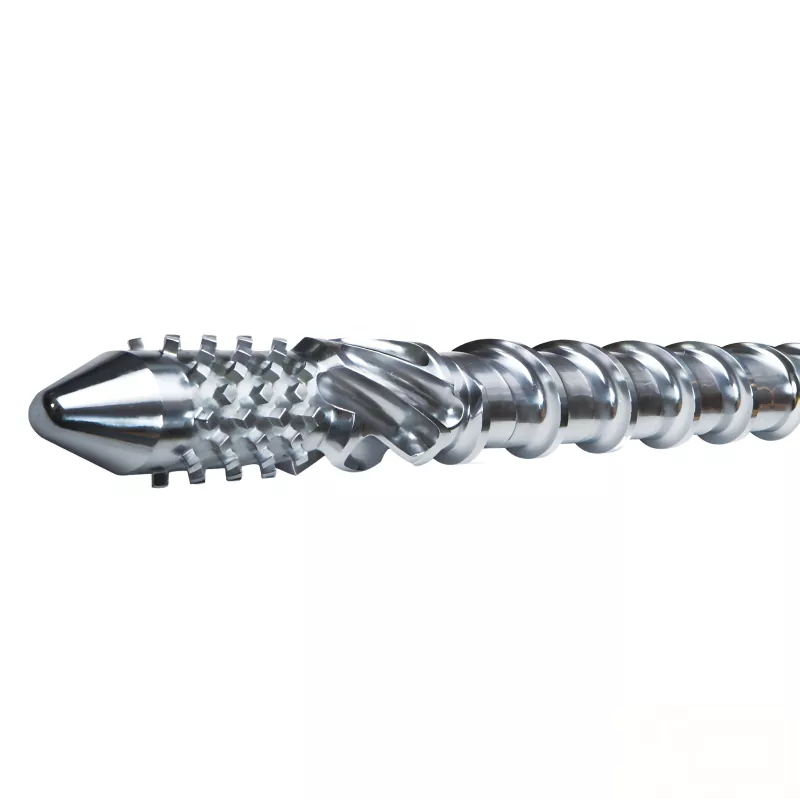
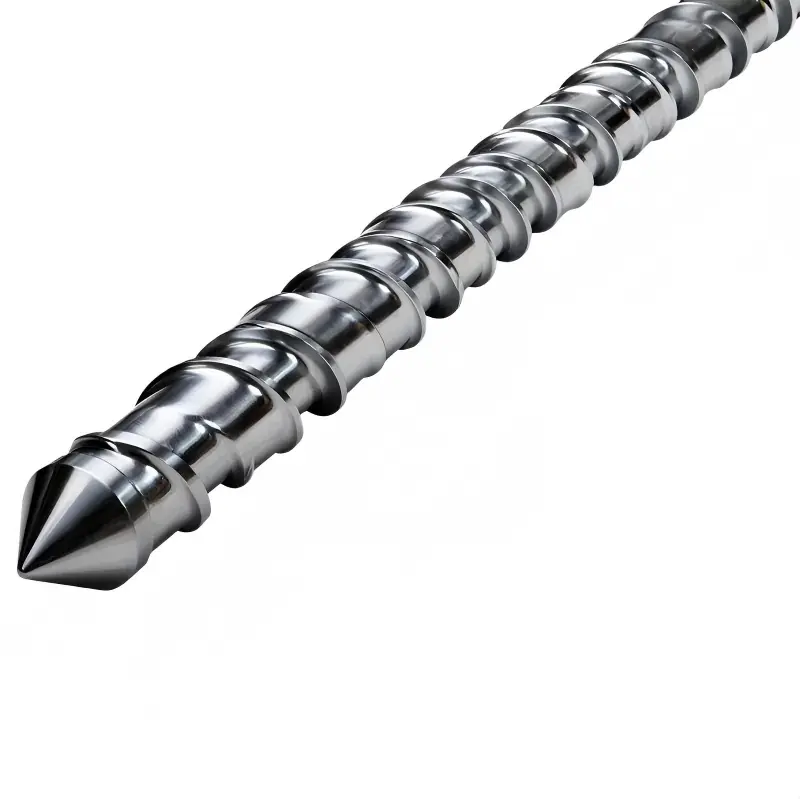
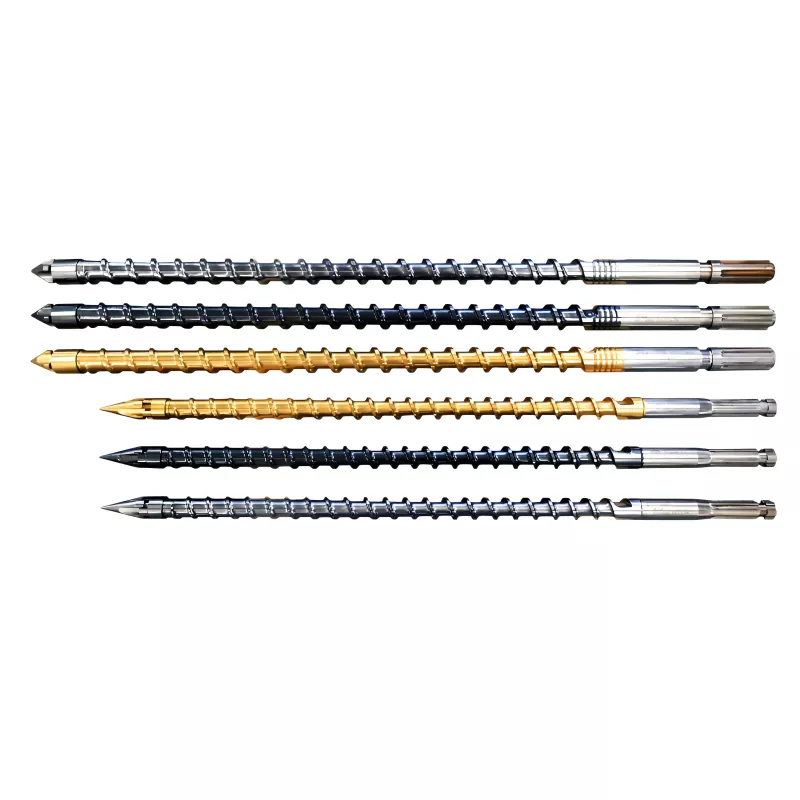
Injection Machines Bimetallic Screw plays a critical role in improving the efficiency, durability, and stability of modern plastic injection molding operations. As manufacturers face challenges such as abrasive materials, high production demands, inconsistent plasticizing performance, and frequent screw replacement costs, choosing the right bimetallic screw solution becomes increasingly important.
This article explains how bimetallic screws work, why they are essential for injection molding machines, what problems they solve, and how advanced screw designs help manufacturers achieve better output quality and longer service life. It also provides practical selection guidance and answers common questions from buyers looking for reliable plastic processing components.
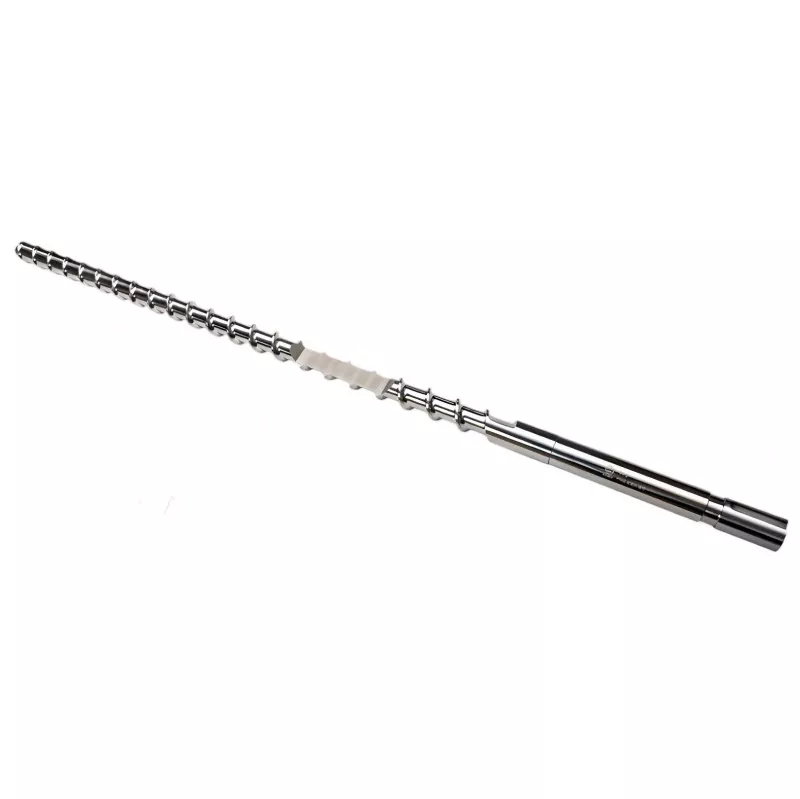
Table of Contents
- 1. Understanding Injection Machines Bimetallic Screw
- 2. Why Bimetallic Screws Are Important for Injection Machines
- 3. What Production Problems Can Bimetallic Screws Solve?
- 4. How the Bimetallic Screw Structure Improves Performance
- 5. Key Benefits of Using High-Quality Bimetallic Screws
- 6. How to Choose the Right Bimetallic Screw for Injection Machines
- 7. Applications and Practical Performance Results
- 8. Bimetallic Screw vs Standard Screw: Performance Comparison
- 9. Frequently Asked Questions
- 10. Contact Professional Bimetallic Screw Supplier
Understanding Injection Machines Bimetallic Screw
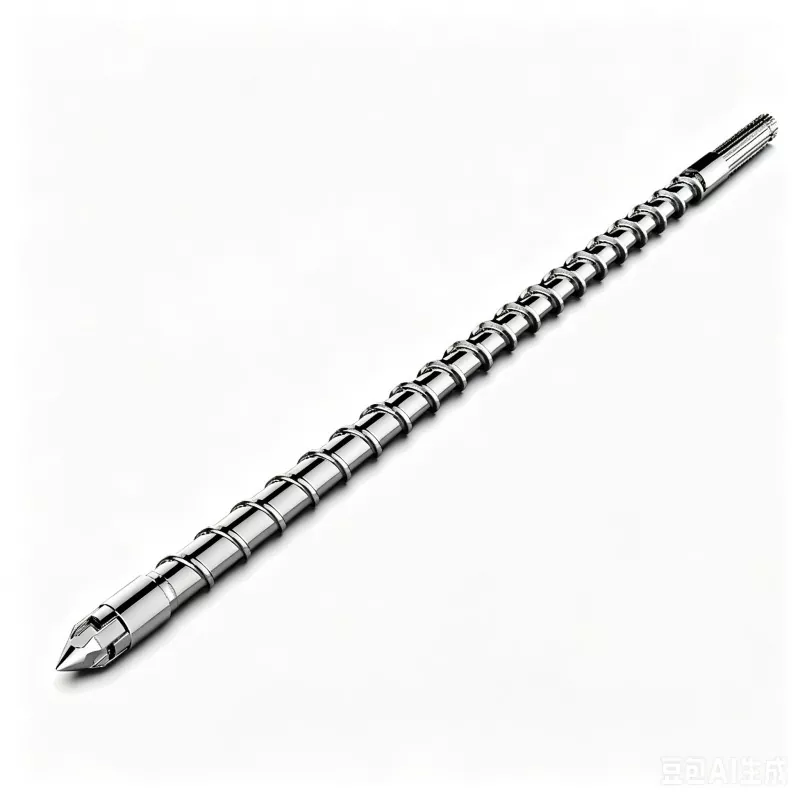
In the plastic injection molding industry, the screw is one of the most important components inside an injection machine. It is responsible for feeding, melting, mixing, and pushing plastic materials into molds. The performance of the screw directly influences product quality, production efficiency, and operating costs.
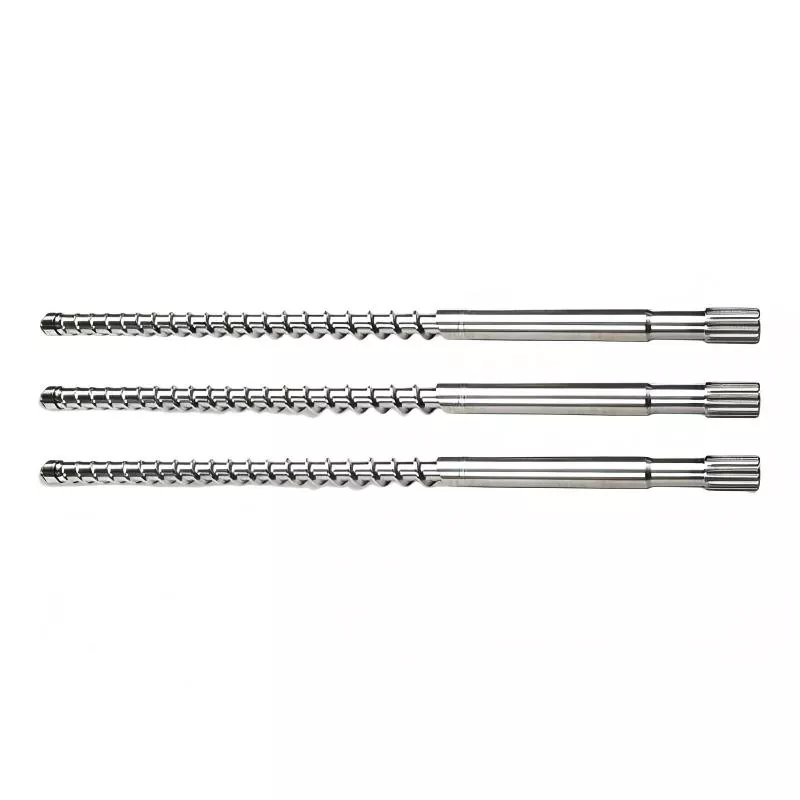
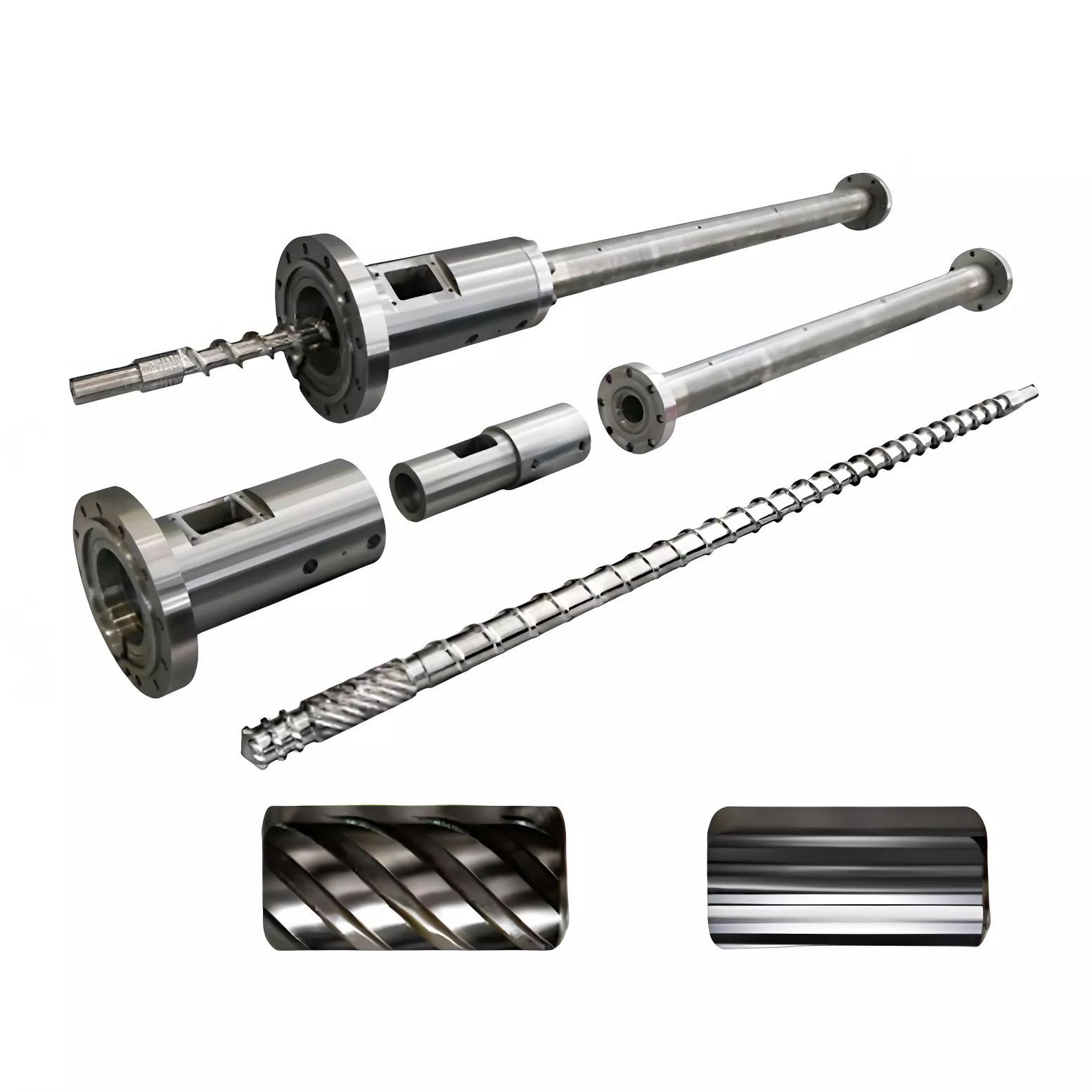
An Injection Machines Bimetallic Screw is an upgraded screw solution designed with a special alloy layer bonded onto the surface of the screw body. Compared with conventional screws made from standard steel, bimetallic screws provide significantly improved resistance against abrasion, corrosion, and high-temperature working conditions.
During plastic processing, many materials contain glass fibers, mineral fillers, flame retardants, or other additives that create strong wear effects on screw surfaces. Traditional screws may experience rapid surface damage, reduced plasticizing ability, and unstable production results. A bimetallic screw helps overcome these problems by providing a stronger protective working layer.
Manufacturers such as ZHOUSHAN HAPPY PLASTICS MACHINERY CO., LTD. focus on developing durable screw solutions that meet different injection molding requirements, helping customers achieve stable production and reduce maintenance frequency.
Why Bimetallic Screws Are Important for Injection Machines
The increasing demand for high-performance plastic products has pushed manufacturers to improve every part of the production process. Injection machines must operate continuously while maintaining precision, speed, and product consistency. The screw is exposed to constant friction, pressure, and temperature changes, making durability a key factor.
A high-quality Injection Machines Bimetallic Screw provides several important functions:
| Function | Impact on Production |
|---|---|
| Improved wear resistance | Extends screw lifespan and reduces replacement frequency |
| Better corrosion protection | Maintains stable performance when processing aggressive materials |
| Enhanced plasticizing efficiency | Improves melting and mixing consistency |
| Higher production stability | Reduces defects caused by inconsistent material processing |
| Lower maintenance costs | Helps manufacturers save long-term operating expenses |
For injection molding factories, equipment reliability directly affects delivery schedules and production profitability. A worn screw can create uneven melting, inaccurate injection volume, poor surface appearance, and unexpected downtime. Selecting a suitable bimetallic screw is therefore not only an equipment decision but also a productivity investment.
What Production Problems Can Bimetallic Screws Solve?
Many plastic processors encounter similar challenges during daily manufacturing operations. These problems often reduce efficiency and increase production costs. Injection Machines Bimetallic Screw is designed to address these common issues.
- Frequent screw replacement: Traditional screws may wear quickly when processing reinforced engineering plastics. A bimetallic surface layer provides stronger protection against mechanical damage.
- Unstable plasticizing performance: Screw wear changes the gap between screw and barrel, affecting melting consistency. A durable screw maintains more accurate processing conditions.
- Poor mixing quality: Advanced screw designs improve material homogenization, helping achieve more uniform color and physical properties.
- High maintenance expenses: Longer service life reduces machine downtime and replacement costs.
- Processing difficulties with special materials: Materials containing glass fiber, fillers, or additives require stronger screw surfaces to maintain reliable operation.
By solving these problems, bimetallic screws allow manufacturers to improve production efficiency while maintaining consistent product quality.
How the Bimetallic Screw Structure Improves Performance
The unique structure of a bimetallic screw is the foundation of its superior performance. Unlike ordinary screws, which rely only on the base metal for protection, bimetallic screws use a specially designed alloy layer on the flight surface and other high-wear areas.
| Component | Purpose |
|---|---|
| Base steel body | Provides mechanical strength and structural stability |
| Bimetallic alloy layer | Creates a wear-resistant and corrosion-resistant working surface |
| Precision screw geometry | Improves material transportation and plasticizing efficiency |
| Surface treatment technology | Enhances durability under high-temperature operation |
The combination of strong core materials and protective alloy technology allows the screw to maintain excellent performance even under demanding production environments. This is especially valuable for industries producing automotive components, electronic parts, packaging products, medical plastics, and engineering plastic products.
Key Benefits of Using High-Quality Bimetallic Screws
Choosing the right Injection Machines Bimetallic Screw can create measurable improvements throughout the manufacturing process. The main advantages include:
- Longer service life: The reinforced surface reduces wear caused by continuous operation.
- Stable output quality: Consistent plasticizing performance helps maintain product accuracy.
- Reduced downtime: Fewer replacements mean improved machine availability.
- Energy efficiency: Efficient melting and mixing can reduce unnecessary processing loads.
- Flexible material compatibility: Suitable for a wide range of thermoplastics and reinforced materials.
How to Choose the Right Bimetallic Screw for Injection Machines
Selecting the correct Injection Machines Bimetallic Screw requires careful consideration of production conditions, plastic materials, and machine specifications. A screw that works well for one application may not provide the same performance in another environment. Understanding key selection factors helps manufacturers avoid unnecessary costs and production problems.
| Selection Factor | Why It Matters |
|---|---|
| Plastic Material Type | Different polymers have different processing characteristics. Materials containing glass fibers, minerals, or other additives require stronger wear-resistant surfaces. |
| Screw Diameter | The diameter affects melting capacity, injection volume, and compatibility with the injection machine. |
| Compression Ratio | A suitable compression ratio ensures effective melting, mixing, and material flow. |
| Surface Alloy Quality | Higher-quality alloy layers provide better resistance against abrasion and corrosion. |
| Processing Temperature | High-temperature applications require materials that maintain stability during continuous operation. |
Professional manufacturers usually customize screw designs according to customer requirements instead of providing a one-size-fits-all solution. Factors such as product specifications, production speed, resin characteristics, and operating conditions should all be evaluated before choosing a screw.
With extensive experience in plastic machinery components, ZHOUSHAN HAPPY PLASTICS MACHINERY CO., LTD. provides customized bimetallic screw solutions designed to match different injection molding applications and production environments.
Applications and Practical Performance Results
Injection Machines Bimetallic Screw is widely used across industries where stable plastic processing and long equipment life are essential. Its durability makes it suitable for both standard plastics and advanced engineering materials.
| Industry | Typical Applications | Main Advantages |
|---|---|---|
| Automotive Industry | Interior parts, connectors, structural plastic components | Handles reinforced plastics with improved wear resistance |
| Electronic Manufacturing | Housings, precision components, insulation parts | Provides stable processing accuracy |
| Packaging Industry | Containers, caps, food packaging products | Supports high-volume continuous production |
| Medical Industry | Disposable medical components and precision products | Maintains consistent material quality |
| Consumer Products | Household items, toys, daily-use plastic products | Improves efficiency and reduces maintenance needs |
In practical production environments, manufacturers often notice improvements after replacing traditional screws with bimetallic versions. These improvements may include more stable melt pressure, better color mixing, fewer production interruptions, and extended maintenance intervals.
The actual performance improvement depends on screw design, material selection, machine condition, and processing parameters. Therefore, professional technical support is valuable when upgrading injection machine components.
Bimetallic Screw vs Standard Screw: Performance Comparison
Many manufacturers compare conventional screws and bimetallic screws before making purchasing decisions. Although standard screws may have a lower initial cost, bimetallic screws often provide better long-term value because of their durability and processing advantages.
| Feature | Standard Screw | Bimetallic Screw |
|---|---|---|
| Wear Resistance | Limited under abrasive materials | Excellent protection against wear |
| Service Life | Usually shorter in demanding applications | Extended operating lifespan |
| Material Compatibility | Suitable for basic plastics | Suitable for reinforced and advanced materials |
| Maintenance Frequency | Requires more frequent replacement | Reduces maintenance requirements |
| Long-Term Cost | Lower initial investment but higher replacement costs | Better overall cost efficiency |
For companies operating injection molding machines continuously, the long-term benefits of a durable screw often outweigh the initial purchase price. Improved reliability can help maintain production schedules and reduce unexpected equipment downtime.
Important Maintenance Tips for Injection Machines Bimetallic Screw
Even high-quality bimetallic screws require proper maintenance to achieve maximum service life. Good operating practices protect the screw surface and ensure stable machine performance.
- Use suitable processing temperatures: Excessive temperatures may accelerate material degradation and affect screw performance.
- Clean materials properly: Foreign particles can damage screw surfaces during operation.
- Monitor processing conditions: Unusual pressure changes or output variations may indicate screw wear.
- Perform regular inspections: Preventive maintenance helps identify problems before they affect production.
- Select matching screw designs: Proper geometry improves processing efficiency and reduces unnecessary stress.
Following these maintenance practices helps manufacturers maximize the investment value of their Injection Machines Bimetallic Screw and maintain consistent production quality.
Frequently Asked Questions
Q1: What is an Injection Machines Bimetallic Screw?
An Injection Machines Bimetallic Screw is a screw component with a wear-resistant alloy layer applied to its working surface. It is designed to improve durability, corrosion resistance, and plasticizing stability during injection molding operations.
Q2: Why should manufacturers choose a bimetallic screw instead of a standard screw?
Bimetallic screws provide stronger protection against abrasion and corrosion, especially when processing reinforced plastics or operating machines under high production conditions. They usually offer longer service life and lower maintenance costs.
Q3: Which plastic materials require bimetallic screws?
Bimetallic screws are commonly used for materials such as glass fiber reinforced plastics, engineering plastics, filled polymers, and other materials that create higher wear during processing.
Q4: Can bimetallic screws be customized for different injection machines?
Yes. Professional suppliers can customize screw dimensions, compression ratios, materials, and designs according to machine models and customer production requirements.
Q5: How can I extend the service life of a bimetallic screw?
Proper temperature control, regular maintenance, clean material handling, and selecting the correct screw design for specific applications can significantly improve service life.
Contact Professional Bimetallic Screw Supplier
A reliable Injection Machines Bimetallic Screw supplier can help manufacturers improve production efficiency, reduce equipment downtime, and achieve more consistent plastic processing results. Choosing the right screw solution requires professional knowledge of materials, machine specifications, and manufacturing requirements.
ZHOUSHAN HAPPY PLASTICS MACHINERY CO., LTD. is committed to providing high-quality plastic machinery components and customized screw solutions for global customers. With professional manufacturing experience and a focus on product performance, the company helps injection molding businesses optimize their production processes.
If you are looking for a durable, efficient, and customized solution for your injection molding equipment, please contact us today to discuss your requirements and receive professional support for your Injection Machines Bimetallic Screw project.
Contact ZHOUSHAN HAPPY PLASTICS MACHINERY CO., LTD. for professional solutions tailored to your production needs.
Related News
- What Is a Halogen-Free Screw and Why Does It Matter in Plastic Processing?
- What Makes a Conical Twin Screw and Barrel Reliable for Demanding Plastic Extrusion?
- How Can You Choose the Right Screw for Chen Hsong Injection Machine?
- How Does an Injection Screw Head Improve Plasticizing Performance in Injection Molding?
- How Does an Inject Mold Screw Barrel Improve Injection Molding Performance?
- How Does a Barrel for Chen Hsong Injection Machine Improve Injection Molding Performance?
Leave me a message