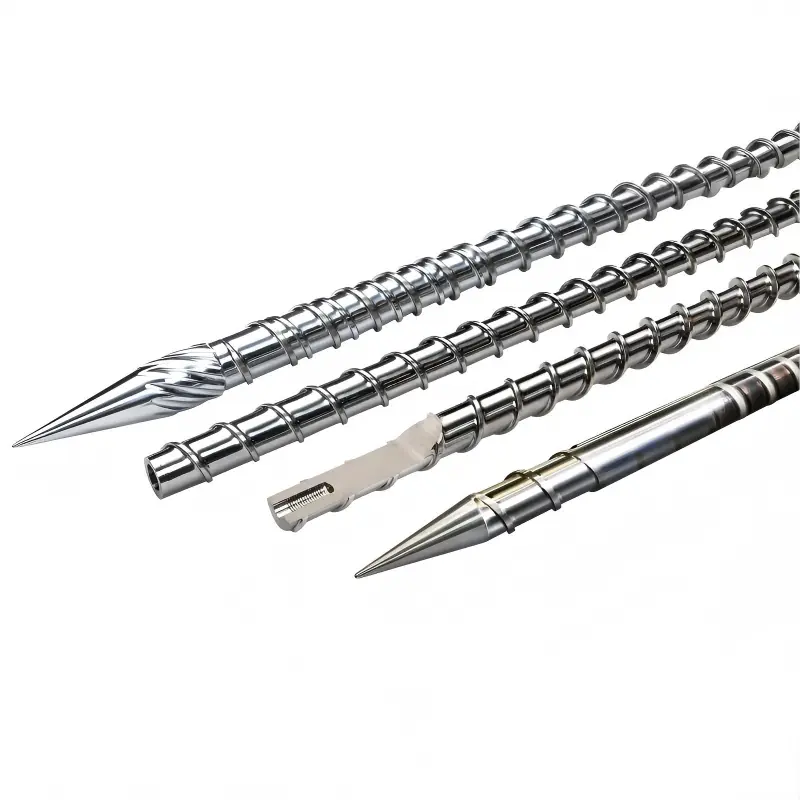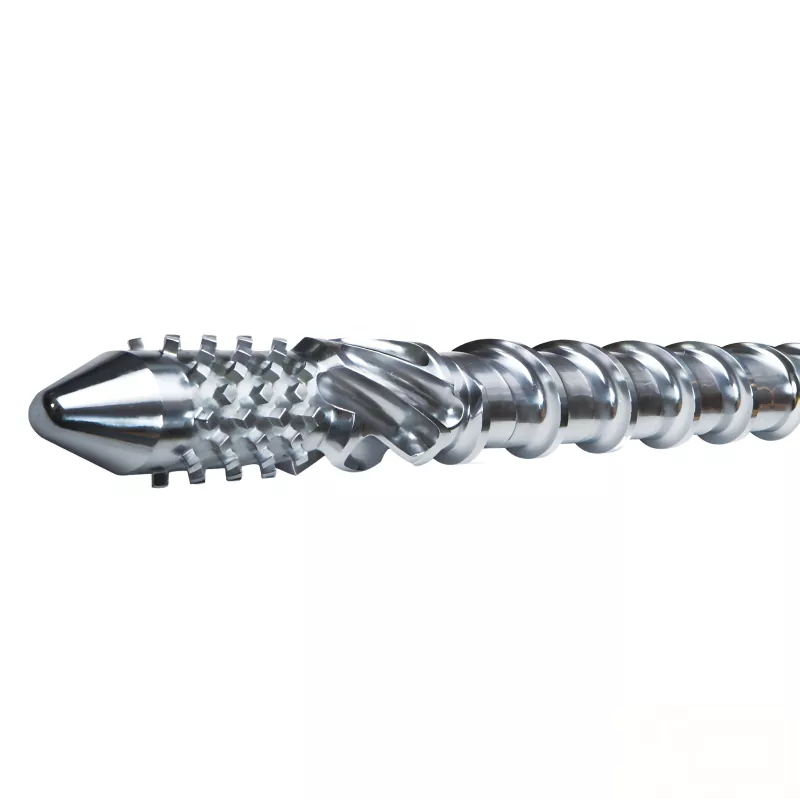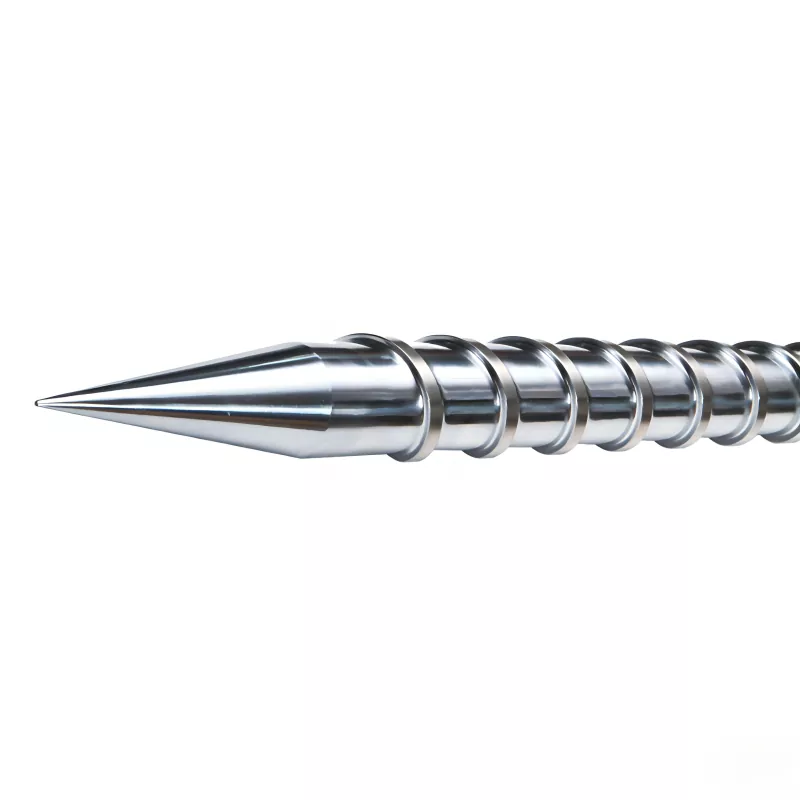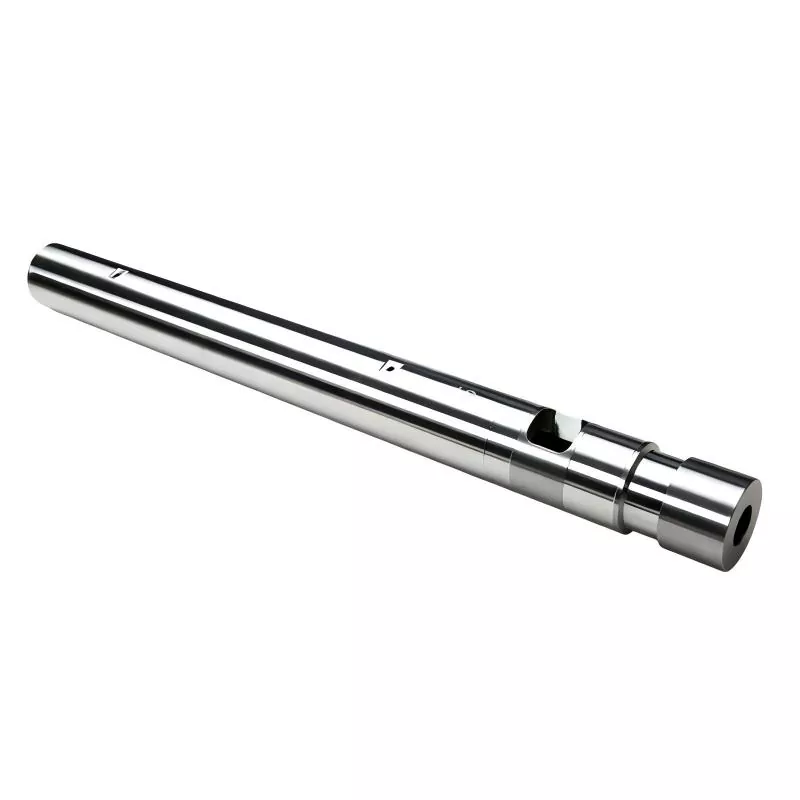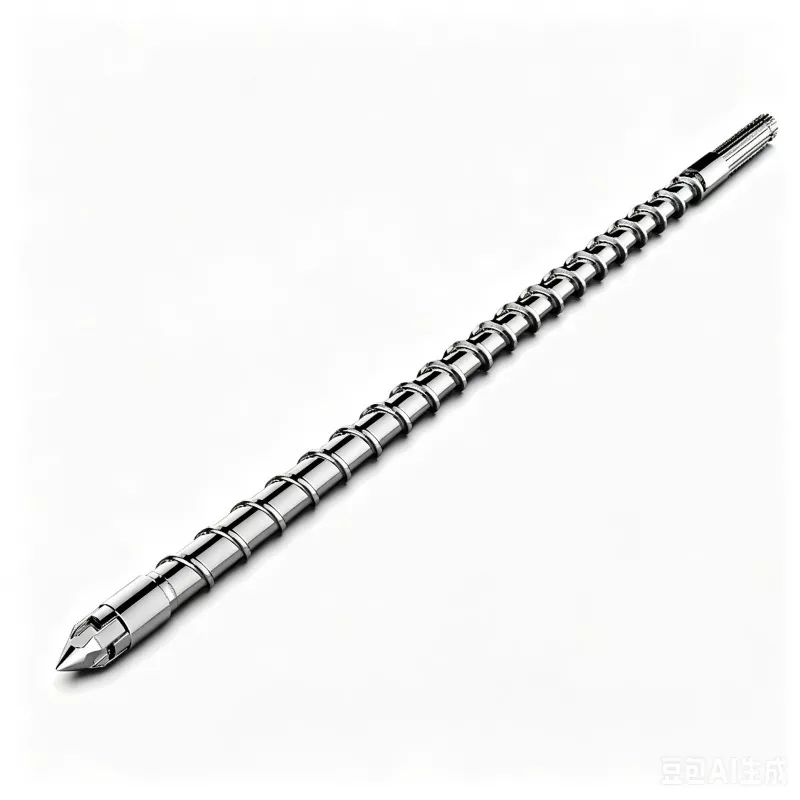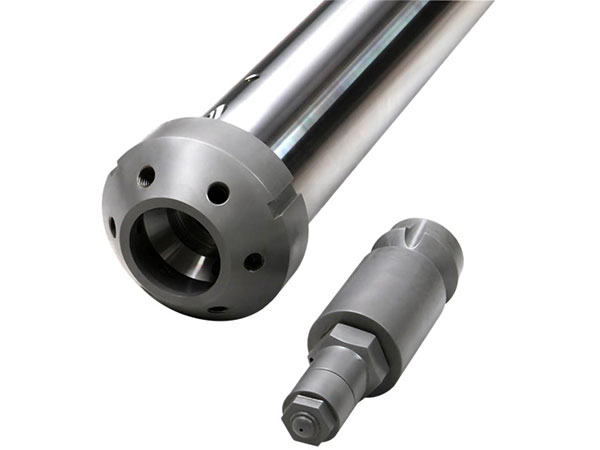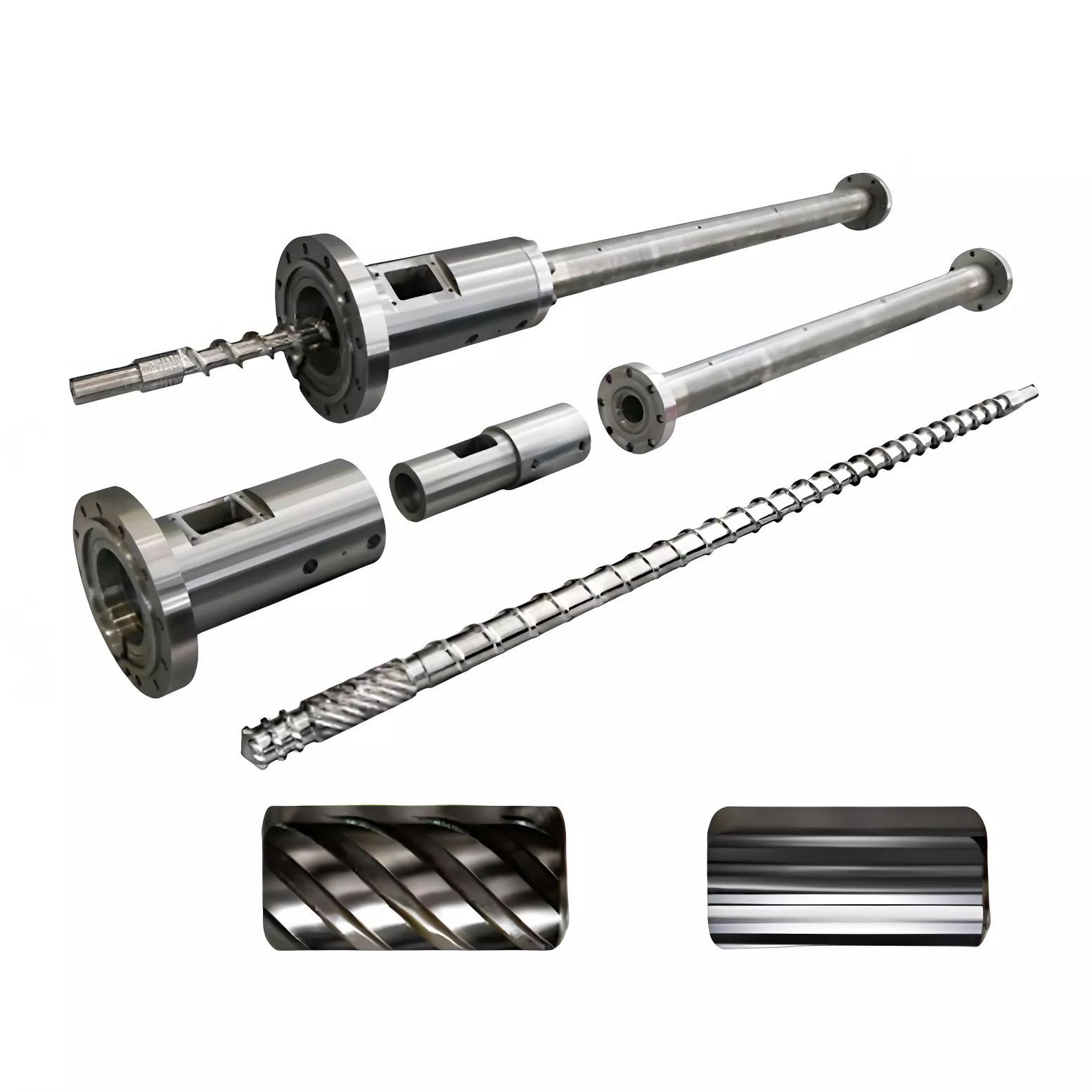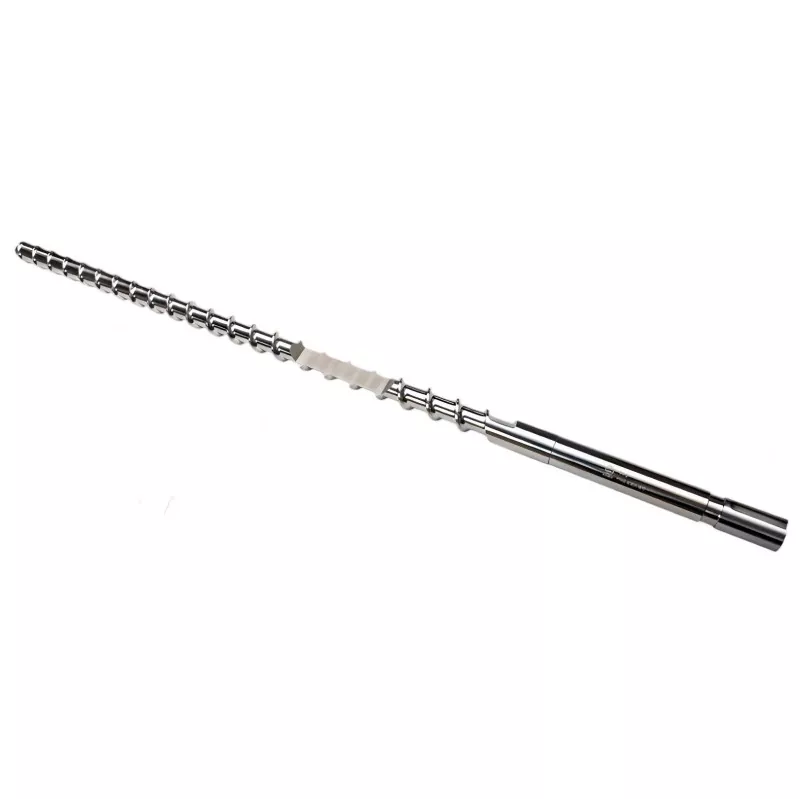
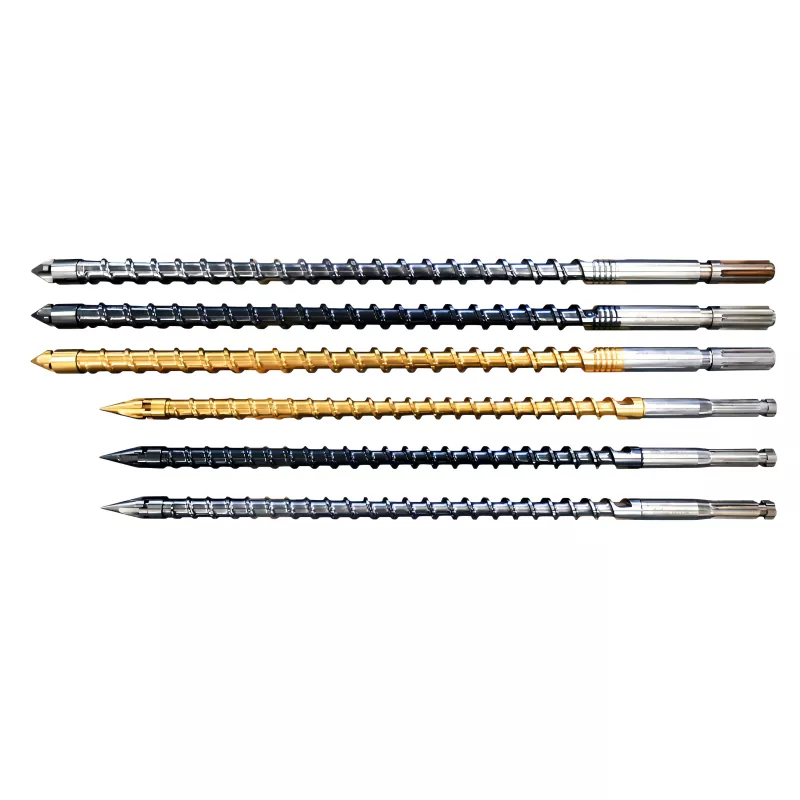
PVD Coated Screw
Buying a premium PVD Coated Screw from the HAPPY PLASTICS factory helps injection molders and extrusion plants stop rapid flight wear and eliminate black specks. This high-performance product features a dense nano-ceramic layer over a precision-ground body. Global factories wholesale this component to lower friction-induced heat and extend part life by up to 400% on high-temperature production lines.
HAPPY PLASTICS is a trusted China manufacturer and supplier. We use multi-axis CNC grinders and automated vacuum chambers to build each PVD Coated Screw. HAPPY PLASTICS combine advanced multi-axis CNC thread grinding with automated Physical Vapor Deposition (PVD) vacuum coating systems. This allows us to bond high-performance nano-coatings like Chromium Nitride (CrN), Titanium Aluminum Nitride (TiAlN), or Diamond-Like Carbon (DLC) seamlessly to the screw base, creating a chemically inert, ultra-hard barrier that blocks abrasive scoring from glass fibers and corrosive attacks from outgassing additives.
What is PVD Coating and How Does It Transform Screw Performance?
Physical Vapor Deposition (PVD) is an advanced vacuum coating process where specialized metals are vaporized into a high-energy plasma state and deposited onto the screw surface in a controlled reactive gas environment to coat the PVD Coated Screw. This forms an ultra-thin, highly uniform nano-composite ceramic or metal nitride/carbide layer (2.0μm - 5.0μm thick) that bonds atom-by-atom to the underlying tool steel.
Unlike traditional heavy bimetallic welding or thick chrome plating—which can alter micro-tolerances or chip under heavy stress—PVD coatings mirror the exact underlying screw dimensions down to the micron. This process creates a flawless surface that delivers high microhardness and a very low coefficient of friction.
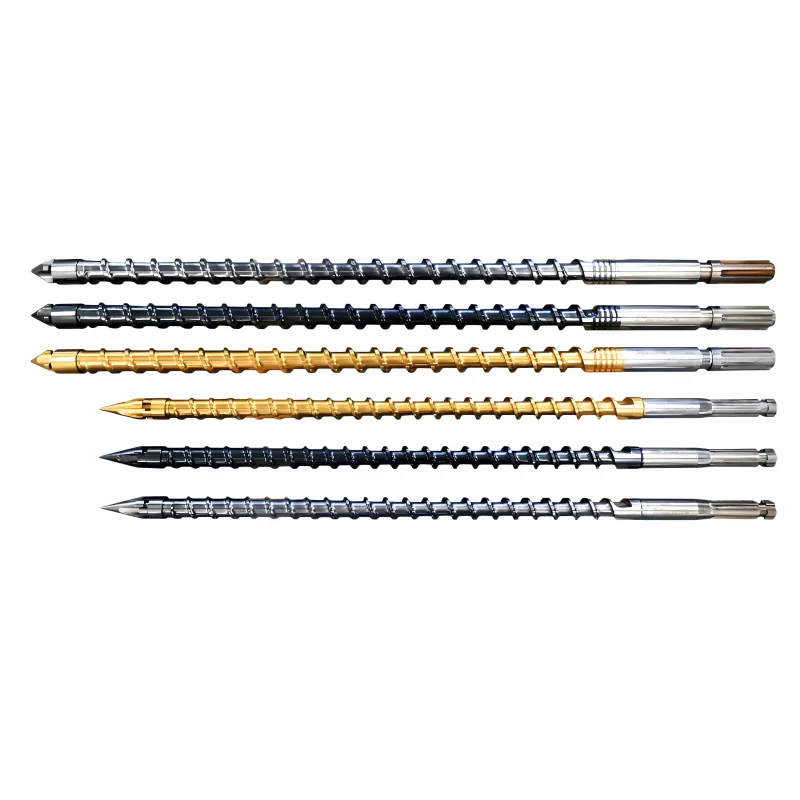
Advanced Nano-Coating Selection Matrix
To match the exact chemical and mechanical friction profiles of your production line, we offer four specialized PVD Coated Screws tailored for specific resin environments:
|
Coating Formulation |
Microhardness (Vickers) |
Friction Coefficient |
Maximum Working Temp |
Primary Processing Benefits |
Best Suited For... |
|
CrN (Chromium Nitride) |
~2000 HV |
0.4 |
700℃ |
Outstanding corrosion defense and anti-stick properties; completely inert to acid outgassing. |
Halogenated flame retardants, PVC, Fluoropolymers. |
|
TiAlN (Titanium Aluminum Nitride) |
~3000 HV |
0.35 |
800℃ |
Extreme abrasive resistance; forms a protective aluminum oxide layer at high operating temperatures. |
High glass-fiber loads (30% - 50% GF), PA, PBT, PPS. |
|
AlCrN (Aluminum Chromium Nitride) |
~3200 HV |
0.35 |
900℃ |
Ultimate hot-hardness and thermal stability; resists extreme mechanical scrubbing. |
Severe engineering plastics, high-tonnage continuous extrusion. |
|
DLC (Diamond-Like Carbon) |
~4000 HV |
0.1 |
350℃ |
Ultra-low friction; extreme self-lubricating properties that eliminate localized material shearing. |
Shear-sensitive resins, TPU, Optical PC/PMMA, LCP connectors. |
Core Strategic Advantages Over Traditional Nitriding
Investing in a specialized PVD Coated Screw gives your facility distinct operational advantages over standard gas-nitrided components:
• Elimination of Resin Carbonization: PVD coatings feature incredibly low surface energy, which prevents molten polymer from sticking to the flight flanks. This stops resin accumulation and charring, dropping black speck reject rates to near zero and making color changeovers significantly faster.
• Reduced Drive Torque and Energy Costs: The self-lubricating nature of coatings like DLC lowers the sliding friction between the screw flights and the internal barrel wall. This reduces the motor torque required for screw recovery, saving energy and cutting down on wear and tear.
• Total Dimension Protection: Because the PVD process occurs inside a precision vacuum chamber at controlled temperatures (400℃ - 500℃), it creates a uniform coating thickness across the entire screw profile without causing thermal distortion or changing your critical flight-to-barrel clearances.
Custom Application Scope Across Demanding Industries
Our custom PVD Coated Screw profiles are designed to meet the strict quality standards of high-precision, automated manufacturing sectors:
• Precision Micro-Electronics: Optimizes the molding of high-cavity Liquid Crystal Polymer (LCP) and Polyphenylene Sulfide (PPS) connectors, ensuring smooth material flow into thin-walled mold sections without structural pinning.
• Optical and Medical Components: Ensures completely flawless, contamination-free processing for transparent polycarbonate (PC) light guide plates and medical-grade bio-polymers, maintaining strict product purity.
• Automotive Under-Hood Components: Withstands the continuous abrasive scouring of structural, glass fiber-reinforced polyamides (PA+GF), preserving flight edge profiles over long production runs.
FAQ
Q: Why do traditional bimetallic screws still suffer from pitting when molding halogenated flame-retardant resins?
A: While bimetallic screws offer excellent wear resistance, their macro-crystalline structure can still contain microscopic gaps between alloy phases. Corrosive acids released by flame retardants under high temperatures can seep into these micro-gaps, leading to localized pitting. A PVD Coated Screw forms an amorphous, nano-structured ceramic layer that seals the surface completely. This creates an inert barrier that prevents corrosive gasses from contacting the base metal underneath.
Q: Can your engineering team apply a PVD coating to our existing screw design if we provide the CAD files?
A: Yes. We can reverse-engineer or directly manufacture a replacement screw from your standard technical CAD drawings or physical reference parts. Our engineers select the ideal base tool steel substrate (such as M2 or H13), machine it to your exact specifications on multi-axis CNC equipment, and then apply the targeted PVD coating to match your processing application perfectly.
Q: What standard warranty protection do you provide for PVD screws running on high-wear lines?
A: We provide an ironclad 12-month structural warranty covering your PVD Coated Screw against manufacturing flaws, body cracking, or coating delamination under specified operating limits. Each shipment leaves our factory with a comprehensive quality packet, including a metallurgical material certificate, an automated layer-thickness validation log, and a step-by-step video guide for safe installation and maintenance.
Hot Tags: PVD Coated Screw Supplier, Custom PVD Coated Screws, PVD Coated Screws Wholesale
Send Inquiry
Contact Info
-
Address
No. 217, Qiaoxing East Road, Dafeng, Jintang Town, Dinghai District, Zhoushan City, Zhejiang Province, China
-
Tel
-
For inquiries about injection molding machine barrel, injection molding machine screw, extruder gearbox or price list, please leave your email to us and we will be in touch within 24 hours.