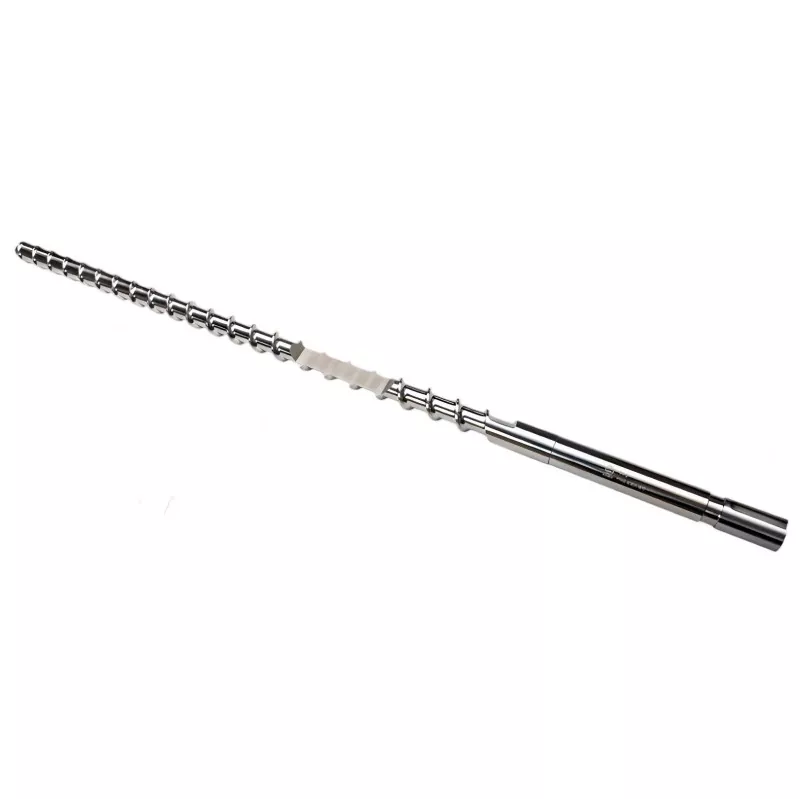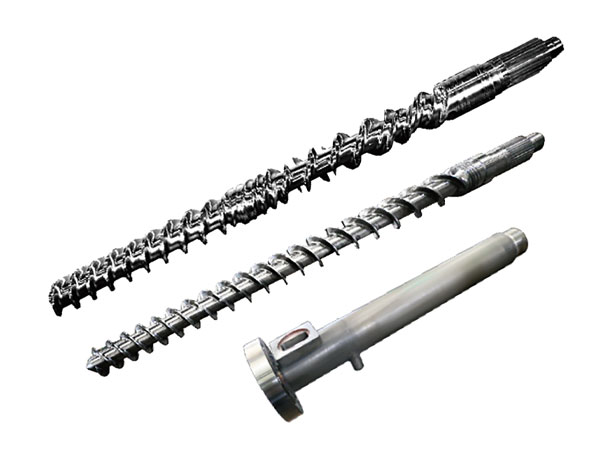

What Is a Halogen-Free Screw and Why Does It Matter in Plastic Processing?
A halogen-free screw can play an important role in applications where electrical safety, material compatibility, corrosion resistance, and reliable fastening or plastic processing performance are required. Understanding its materials, applications, performance factors, and selection criteria helps manufacturers avoid premature failure and maintain stable production.
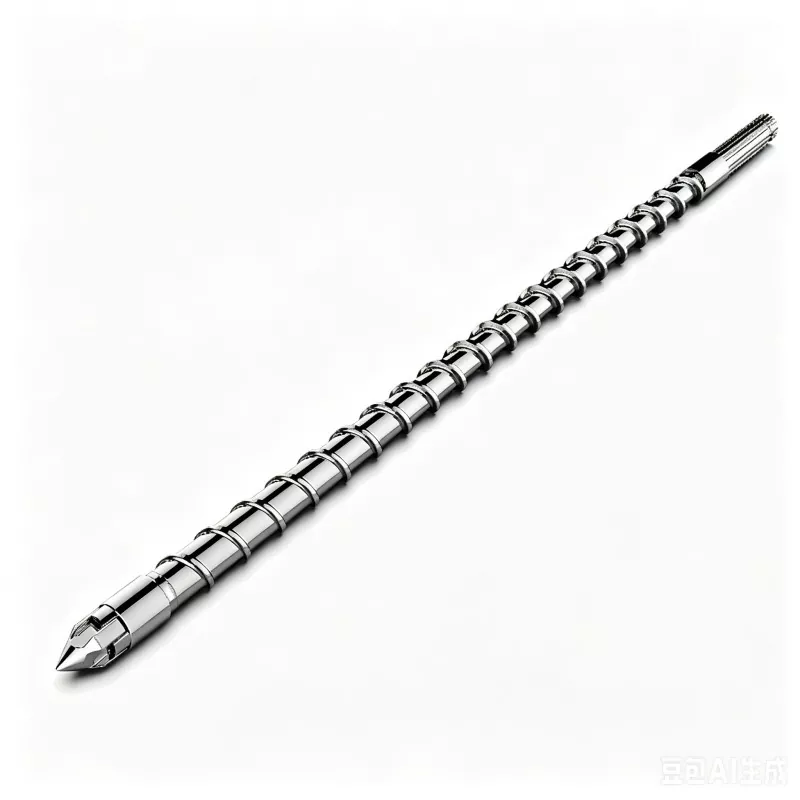
Halogen-free screws are designed for applications where conventional halogen-containing materials may create environmental, electrical, chemical, or fire-safety concerns. Depending on the application, they may be manufactured from engineering plastics or other specially selected materials. In plastic machinery and component applications, material selection, temperature resistance, chemical compatibility, mechanical strength, dimensional accuracy, and processing conditions all influence performance. This guide explains the fundamentals of halogen-free screws and shows how manufacturers can evaluate them for demanding industrial environments.
Table of Contents
- What Is a Halogen-Free Screw?
- Why Halogen-Free Materials Matter
- Materials Commonly Used
- Where Halogen-Free Screws Are Used
- Key Performance Factors
- How to Evaluate a Halogen-Free Screw
- Considerations for Plastic Machinery
- Halogen-Free Screws vs. Conventional Options
- Common Selection Mistakes
- Purchasing Checklist
- Frequently Asked Questions
- Conclusion
What Is a Halogen-Free Screw?
A halogen-free screw is a screw manufactured from a material or material system designed to avoid intentionally added halogen elements such as chlorine, bromine, or fluorine in applications where halogen-free specifications are required. The exact definition depends on the applicable material specification, industry requirement, and test method.
In industrial applications, the term can refer to plastic screws, fasteners, or specialized components made from engineering polymers formulated without conventional halogen-containing flame-retardant systems. For example, nylon-based plastic screws can provide electrical insulation and resistance to rust while offering a lightweight alternative to metal fasteners. Some commercially available nylon screws are specifically identified as halogen-free and RoHS compliant.
It is important to distinguish a halogen-free screw from a screw merely described as environmentally friendly. These terms are not automatically interchangeable. Buyers should request material information, applicable declarations, and test documentation when a project has strict compliance requirements.
Why Halogen-Free Materials Matter
The move toward halogen-free materials is closely connected with electrical safety, environmental requirements, fire-performance considerations, and the need to control potentially corrosive combustion or decomposition products.
In electrical and electronic equipment, halogen-free materials may be specified to reduce dependence on halogen-containing formulations. In flame-retardant plastics, alternative systems can include phosphorus-, nitrogen-, or mineral-based approaches. Modern modified plastics are available with halogen-free flame-retardant properties and applications in areas such as battery housings, insulation components, and electrical equipment.
For manufacturers, the practical benefit is not simply compliance. Material selection can influence the entire production chain, including machining, molding, assembly, service life, maintenance, and end-product reliability.
Key point:
“Halogen-free” describes a material characteristic or specification. It does not automatically mean that every halogen-free screw has the same mechanical strength, temperature capability, flame rating, or chemical resistance.
Materials Commonly Used for Halogen-Free Screws
The correct material depends heavily on the operating environment. Engineering plastics are often selected when electrical insulation, low weight, corrosion resistance, or non-metallic construction is required.
| Material Type | Typical Characteristics | Potential Applications |
|---|---|---|
| Nylon / PA | Lightweight, electrically insulating, corrosion-free | Electrical assemblies, equipment housings, industrial fastening |
| PVDF | Strong chemical resistance and broad temperature capability | Chemical equipment, semiconductor equipment, process systems |
| PEEK | High-performance engineering polymer with high-temperature capability | Specialized industrial and demanding engineering applications |
| Specially modified polymers | Properties tailored for flame resistance, strength, or processing needs | Electrical, automotive, energy, and industrial equipment |
PVDF, for instance, is used for specialized plastic screws where chemical resistance is important, including semiconductor and chemical-processing equipment. Manufacturer data also shows PVDF screws being specified for applications involving acids, organic solvents, and halogen compounds.
Where Are Halogen-Free Screws Used?
The application range is broad because the screw itself is only one part of the complete material system. The most suitable design depends on the load, temperature, surrounding chemicals, electrical requirements, and assembly method.
- Electrical and electronic equipment: Used where electrical insulation and non-metallic fastening are valuable.
- Energy equipment: Halogen-free flame-retardant polymer components can be relevant to battery and power equipment.
- Plastic processing machinery: Specialized screw components and fasteners may be required when processing demanding halogen-free compounds.
- Chemical equipment: Chemically resistant polymers can be selected where metal corrosion is a concern.
- Semiconductor equipment: Non-metallic fasteners can be useful in environments involving chemical processing.
- Industrial enclosures: Lightweight, electrically insulating fasteners can simplify assembly and reduce corrosion concerns.
The surrounding material should always be considered together with the screw. A fastener that performs well in a dry indoor enclosure may not provide the same service life under continuous heat, vibration, chemical exposure, or repeated assembly.
Key Performance Factors to Check
1. Temperature Resistance
Temperature is one of the first parameters to verify. Polymer screws can lose strength or stiffness as temperature increases, while different polymers have very different thermal capabilities. A manufacturer's material temperature rating should not be treated as the exact allowable temperature for every assembled application because tightening torque, load, geometry, and environmental conditions also affect actual performance.
2. Mechanical Strength
Tensile strength alone does not determine whether a screw is suitable. Thread engagement, tightening torque, creep, impact loading, vibration, and repeated assembly all matter. A polymer fastener can be technically strong enough in a static test but unsuitable for a continuously loaded joint.
3. Chemical Compatibility
Chemical exposure can significantly change material performance. Acids, solvents, oils, cleaning agents, and processing chemicals should be evaluated against the selected polymer. Some specialized plastics are specifically chosen because they can tolerate aggressive chemical environments where ordinary metals or polymers may be unsuitable.
4. Flame Performance
If the screw is used inside electrical or energy equipment, determine whether a specific flame classification is required. A halogen-free specification and a flame-retardant classification are separate characteristics and should not be assumed to be equivalent.
5. Dimensional Accuracy
Thread accuracy directly affects assembly reliability. Poor dimensional control can result in cross-threading, excessive assembly torque, insufficient clamping force, or premature thread damage. For customized industrial screws, drawings and tolerance requirements should be confirmed before production.
How to Evaluate a Halogen-Free Screw
A systematic evaluation prevents buyers from selecting a screw solely because a product page contains the words “halogen-free.” Start with the actual operating conditions and work backward toward the material and design.
- Define the application: Identify the equipment, assembly location, and function of the screw.
- Determine the environmental conditions: Record temperature, humidity, chemicals, UV exposure, vibration, and electrical conditions.
- Set mechanical requirements: Establish expected load, torque, thread size, and fastening frequency.
- Confirm material requirements: Specify the required polymer and any halogen-free or flame-performance requirements.
- Verify documentation: Request material declarations, test data, drawings, and relevant compliance documentation.
- Check production consistency: For mass production, confirm dimensional tolerances, inspection procedures, and batch traceability.
- Test under real conditions: Prototype testing can reveal creep, cracking, loosening, or chemical degradation that may not appear in basic material specifications.
What Should Plastic Machinery Manufacturers Consider?
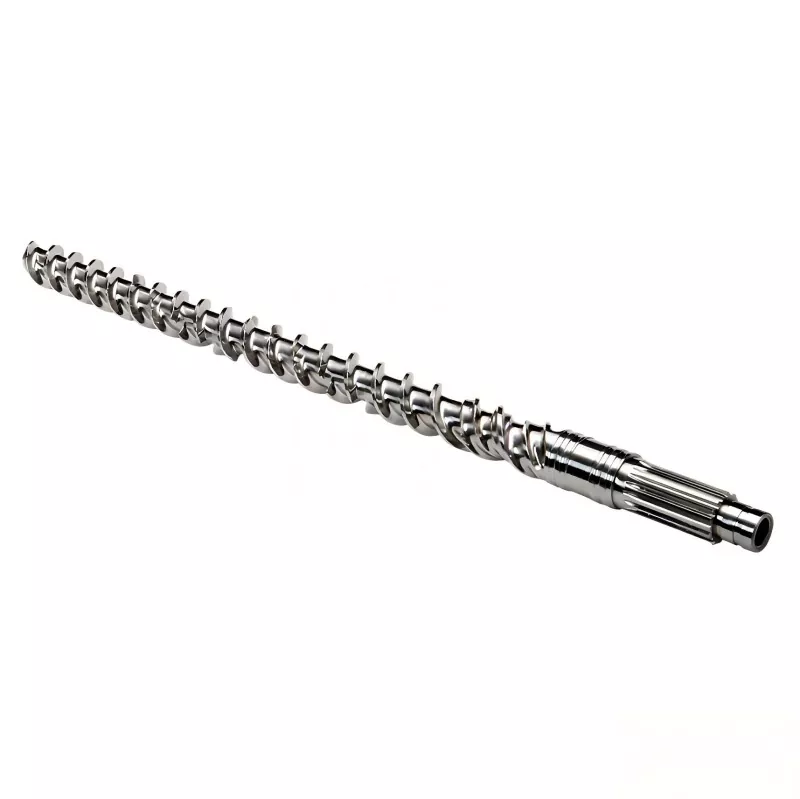
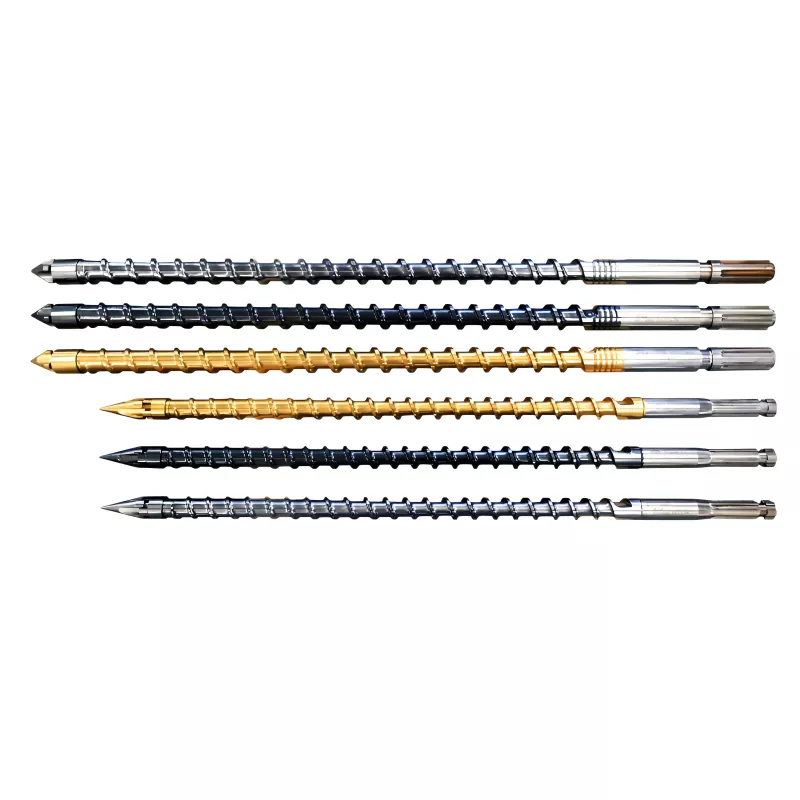
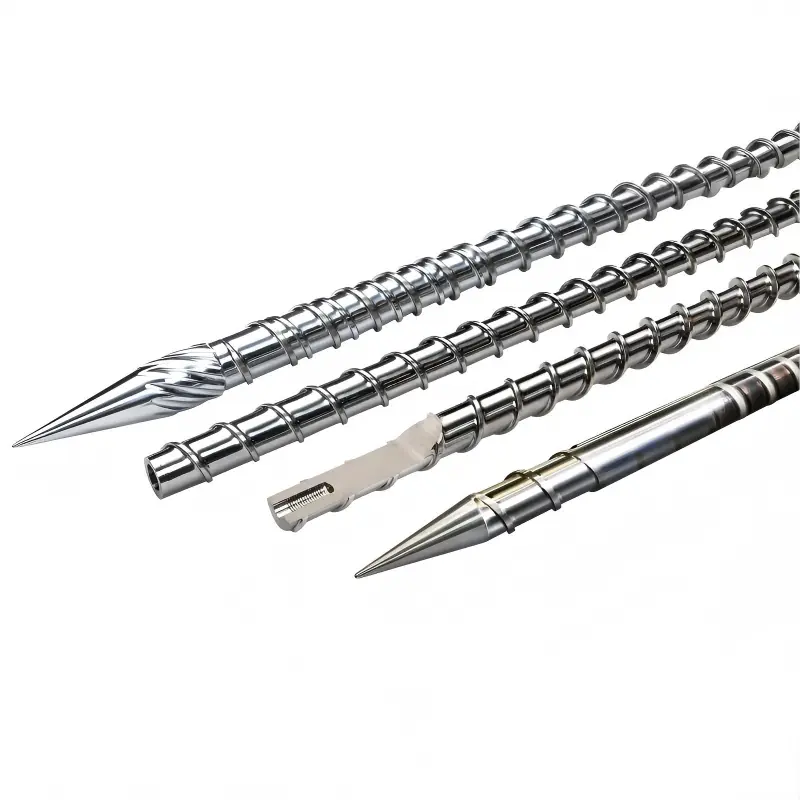
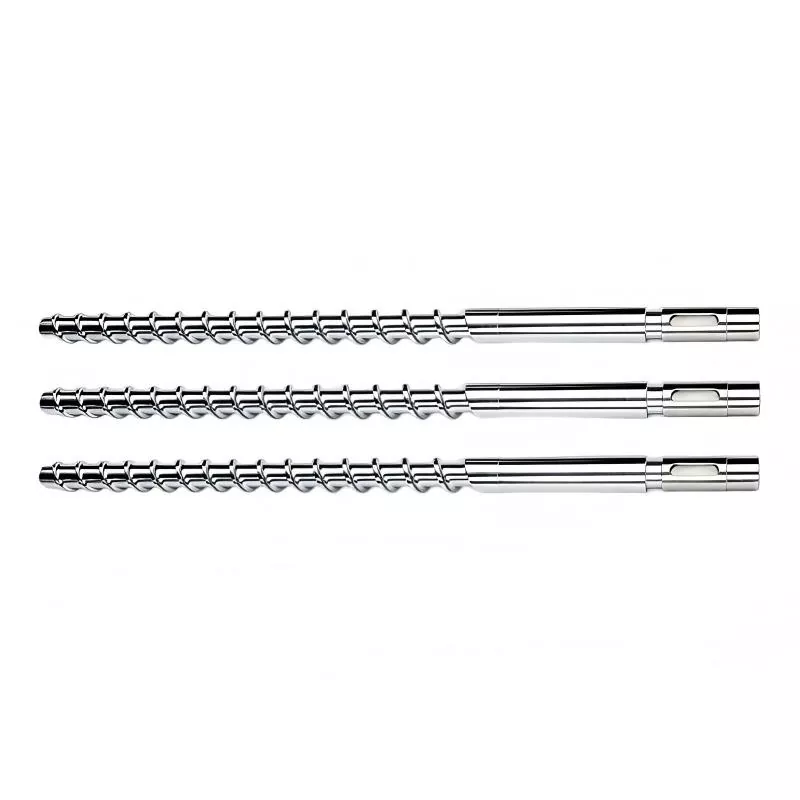
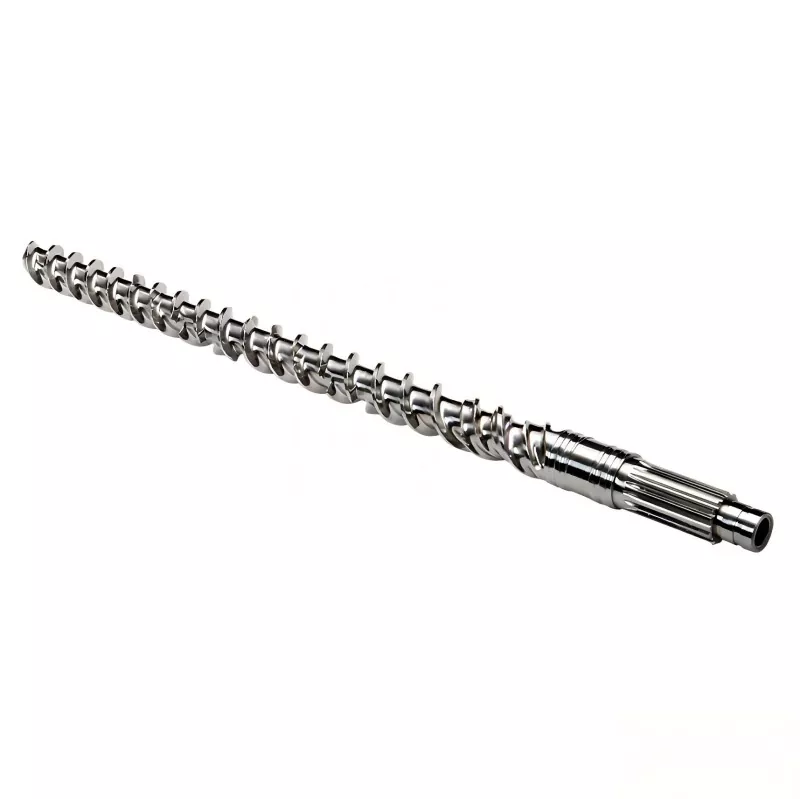
Halogen-free materials can create demanding processing conditions when they contain flame-retardant additives or reinforcement materials. For example, halogen-free flame-retardant and glass-fiber-reinforced plastics can subject extrusion and injection components to combined wear, heat, and chemical stress. Industry literature describes glass fiber as a major wear factor and highlights the need for corrosion- and wear-resistant screw construction when processing such compounds.
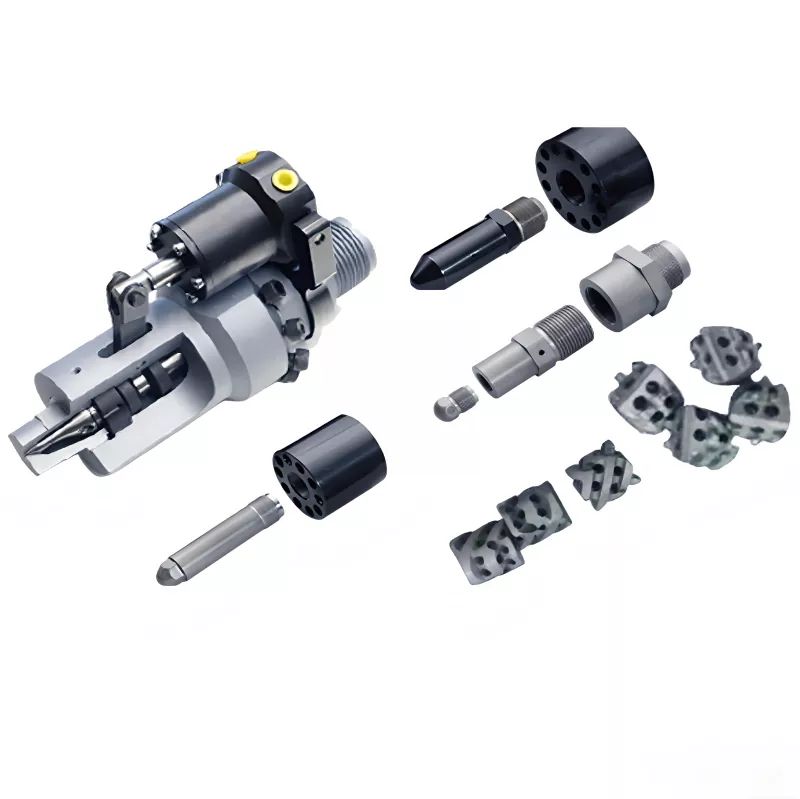
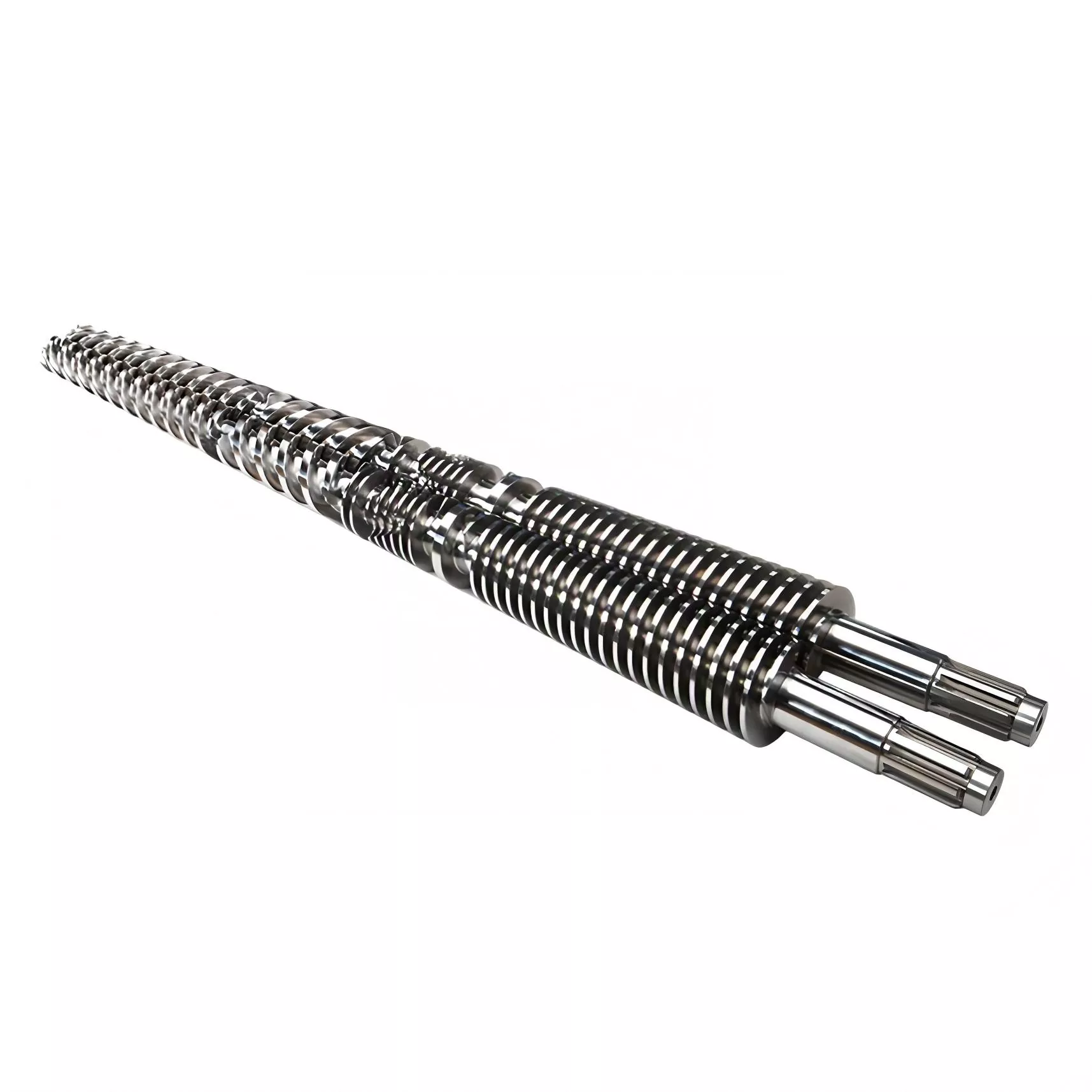
Screw geometry is equally important. Processing performance depends on feeding, melting, mixing, compression, residence time, and metering. Excessive shear can increase heat generation and potentially affect sensitive flame-retardant formulations. Research on twin-screw processing of halogen-free glass-fiber-reinforced materials has examined screw-element combinations specifically to improve dispersion while controlling shear and material degradation.
Material Compatibility
The screw and barrel materials should match the processed resin, additives, fillers, and expected temperature.
Wear Protection
Glass fibers and other abrasive fillers can accelerate surface wear, making material selection and surface treatment important.
Corrosion Resistance
Certain additives and high-temperature processing environments can create corrosive conditions for machinery components.
Processing Stability
Consistent melt quality and controlled shear help maintain stable output and reduce unnecessary downtime.
For companies involved in plastic machinery, including ZHOUSHAN HAPPY PLASTICS MACHINERY CO., LTD., understanding these processing variables is important when developing screw-related solutions for specialized materials. The appropriate configuration should be determined according to the machine model, polymer formulation, output target, and operating conditions rather than by using a universal screw design.
Halogen-Free Screws vs. Conventional Options
| Consideration | Halogen-Free Option | Conventional Option |
|---|---|---|
| Material specification | Designed to meet a defined halogen-free requirement | May not have a halogen-free specification |
| Electrical insulation | Can be excellent with suitable engineering polymers | Depends strongly on material |
| Corrosion concerns | Some polymers offer strong chemical resistance | Metal options may require suitable coatings or alloys |
| Temperature capability | Depends on the selected polymer | Varies by metal or polymer |
| Weight | Often lower than metal fasteners | Metal options are generally heavier |
The comparison is application-dependent. There is no universal material that is suitable for every fastening or machinery environment. The correct choice should be based on the required performance rather than on material terminology alone.
Common Selection Mistakes
- Choosing only by price: A low purchase price may become expensive if the screw requires frequent replacement.
- Assuming all nylon screws are identical: Different grades and formulations can have substantially different properties.
- Confusing halogen-free with flame-retardant: These specifications address different material characteristics.
- Ignoring temperature: Continuous operating temperature can be more important than short-term temperature exposure.
- Overlooking assembly torque: Excessive torque can damage polymer threads or deform the fastener.
- Skipping application testing: A laboratory material value does not automatically predict performance in the complete assembly.
A Practical Purchasing Checklist
Before placing a bulk or customized order, buyers can use the following checklist:
- ✓ Confirm the exact screw dimensions and thread standard.
- ✓ Specify the required material and halogen-free criteria.
- ✓ Confirm continuous and peak operating temperatures.
- ✓ Identify chemicals, oils, solvents, and cleaning agents in contact with the part.
- ✓ Establish mechanical load and tightening-torque requirements.
- ✓ Request drawings, material data, and relevant compliance documentation.
- ✓ Confirm production capacity, inspection standards, packaging, and delivery requirements.
Frequently Asked Questions
What does halogen-free mean for a screw?
It generally means the screw material or formulation is designed to meet a specified restriction on halogen elements. The exact requirement should be confirmed through the applicable material specification or test documentation.
Are halogen-free screws always flame retardant?
No. Halogen-free and flame-retardant describe different characteristics. A product may be halogen-free without having the flame classification required for a particular electrical or industrial application.
Can nylon be used for halogen-free screws?
Yes. Certain nylon grades and formulations are available as halogen-free products. Their suitability depends on mechanical load, temperature, chemical exposure, and the specific compliance requirements of the application.
Are halogen-free screws suitable for plastic machinery?
They can be suitable for specific fastening and auxiliary applications, but machinery screw components that directly process halogen-free plastics are a separate engineering consideration. In those situations, wear resistance, corrosion resistance, screw geometry, and processing conditions must be evaluated together.
Why can halogen-free plastics be demanding for processing equipment?
Some halogen-free flame-retardant formulations contain additives or reinforcements that can increase thermal, chemical, or abrasive stress on processing components. Glass-fiber-reinforced materials, for example, can significantly increase wear on screw and barrel surfaces.
Can halogen-free screws be customized?
Customized dimensions, thread specifications, head styles, materials, and production requirements may be available depending on the manufacturer and application. For industrial orders, providing a technical drawing, sample, material requirement, and application conditions can make the customization process more accurate.
Conclusion
A halogen-free screw is more than a simple alternative to a conventional fastener. Its value depends on how well the material, geometry, temperature capability, chemical resistance, mechanical performance, and compliance requirements match the application. For electrical equipment, industrial assemblies, chemical environments, and plastic-processing applications, careful material selection can help improve reliability and reduce avoidable maintenance problems.
For manufacturers working with demanding plastic materials, the same principle applies to processing components: the screw design, metallurgy, surface treatment, and processing parameters should be considered as one complete system. Selecting the right specification at the beginning can help manufacturers maintain stable production and protect long-term equipment performance.
Need a Customized Solution?
If your project requires specialized screws, plastic machinery components, or application-specific processing solutions, discuss your material, equipment model, dimensions, operating conditions, and production requirements with a professional manufacturer. Contact ZHOUSHAN HAPPY PLASTICS MACHINERY CO., LTD. today to discuss your requirements and contact us for a customized solution.
Related News
- What Makes a Conical Twin Screw and Barrel Reliable for Demanding Plastic Extrusion?
- How Can You Choose the Right Screw for Chen Hsong Injection Machine?
- How Does an Injection Screw Head Improve Plasticizing Performance in Injection Molding?
- How Does an Inject Mold Screw Barrel Improve Injection Molding Performance?
- How Does Injection Machines Bimetallic Screw Improve Plastic Processing Performance?
- How Does a Barrel for Chen Hsong Injection Machine Improve Injection Molding Performance?
Leave me a message