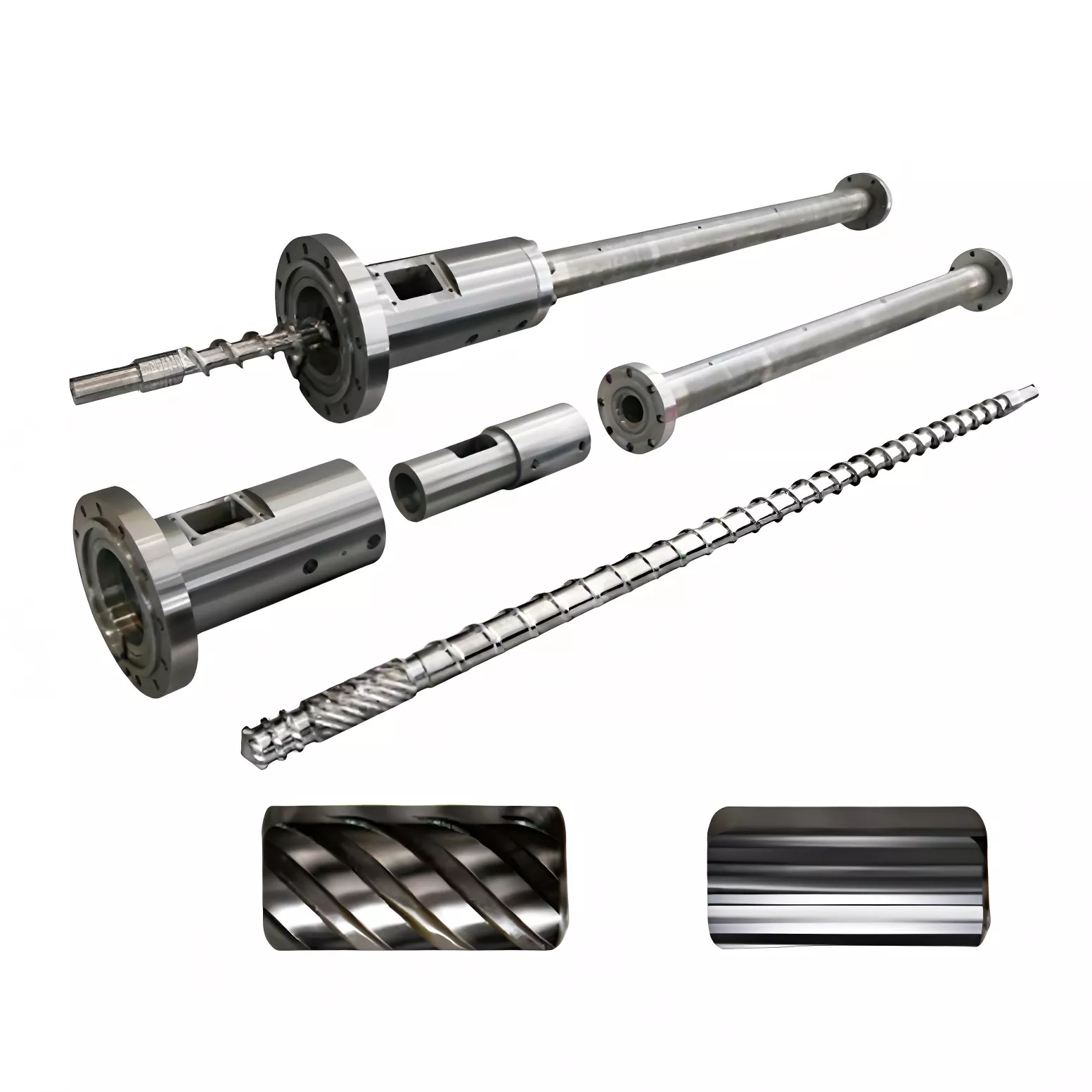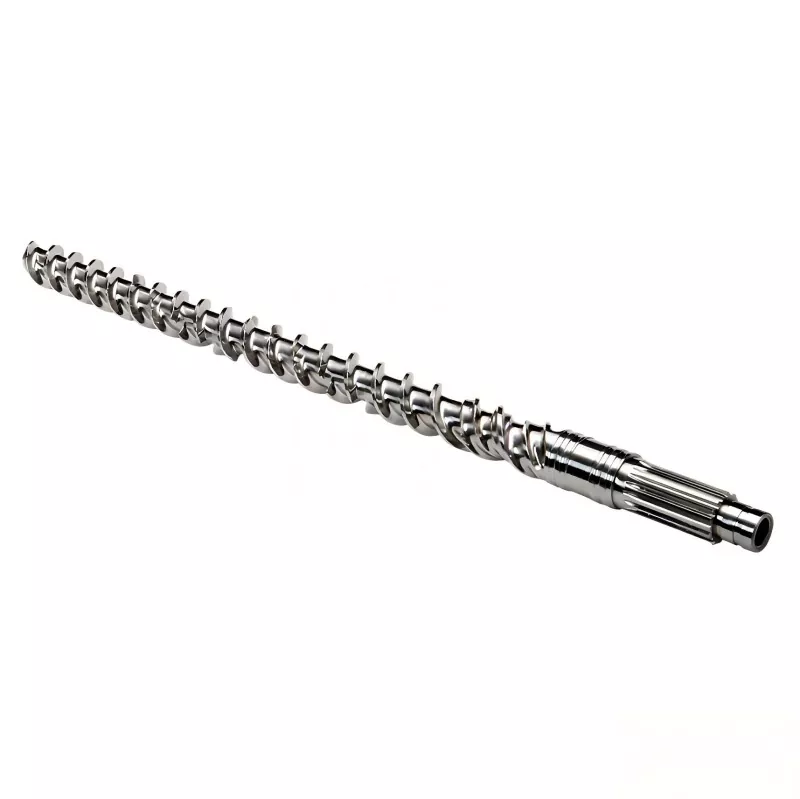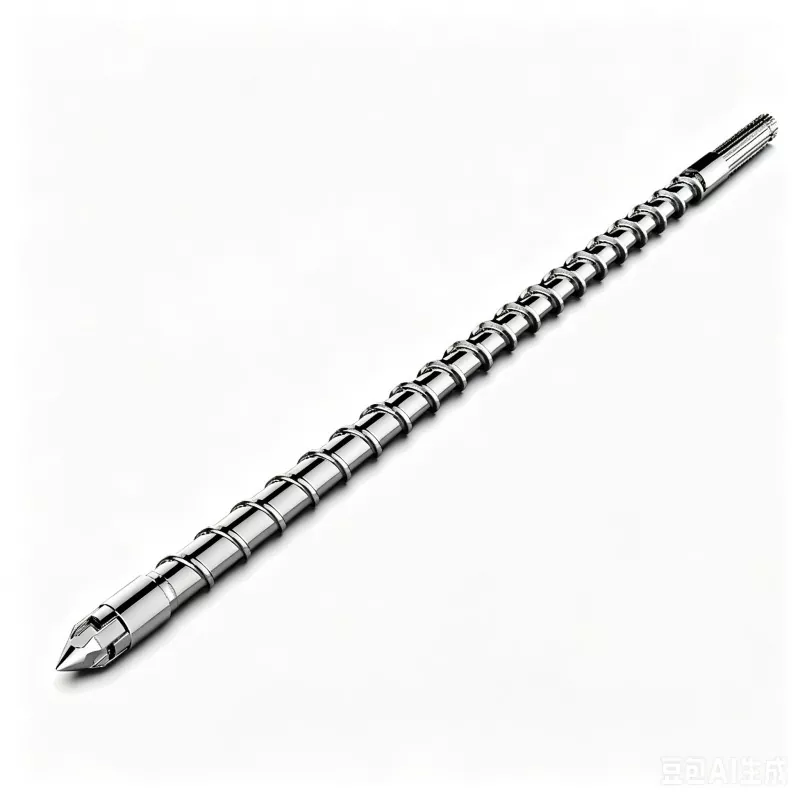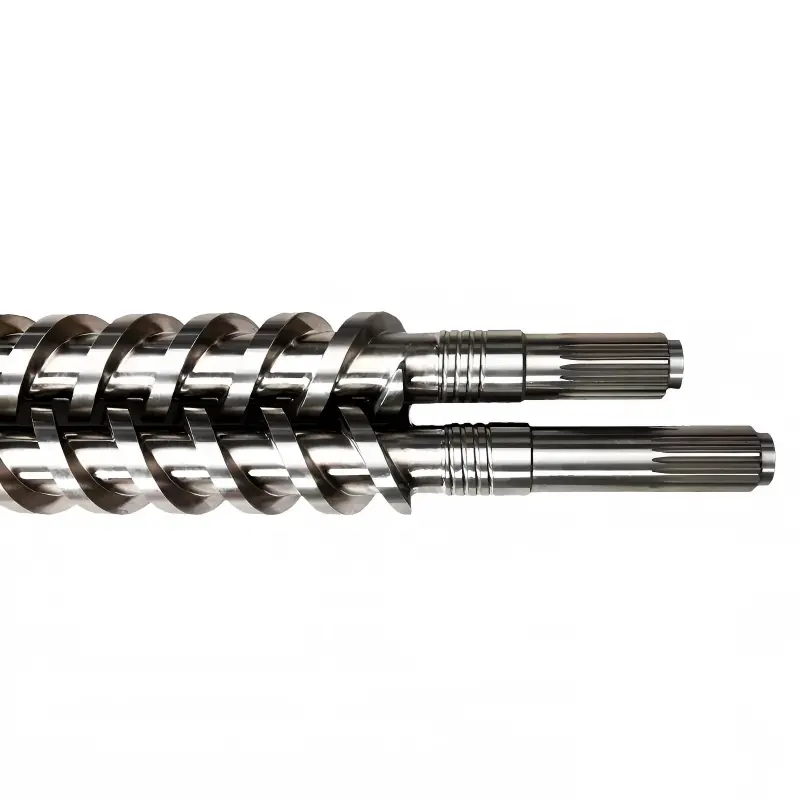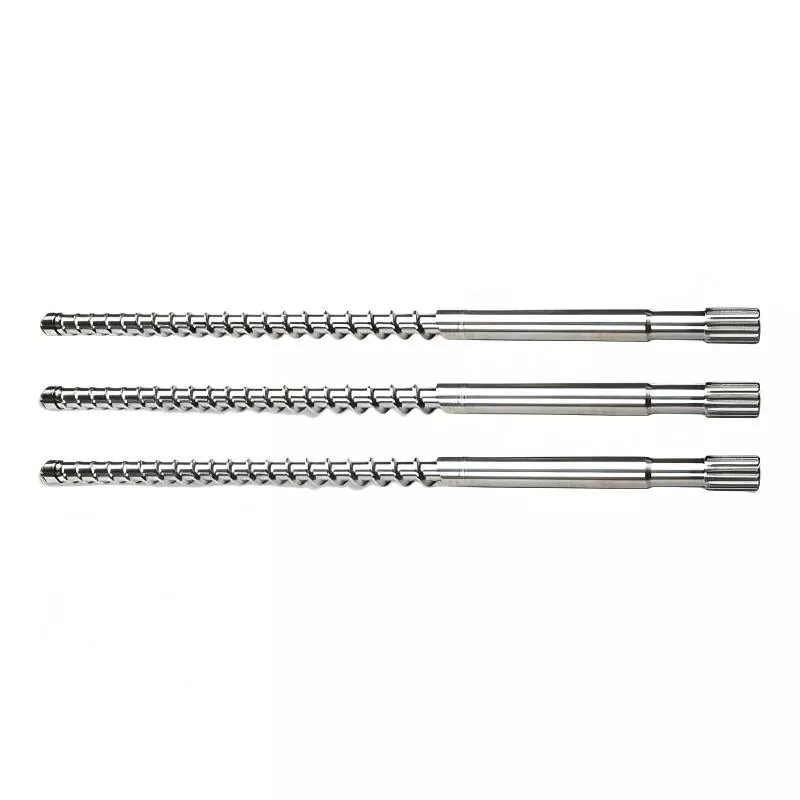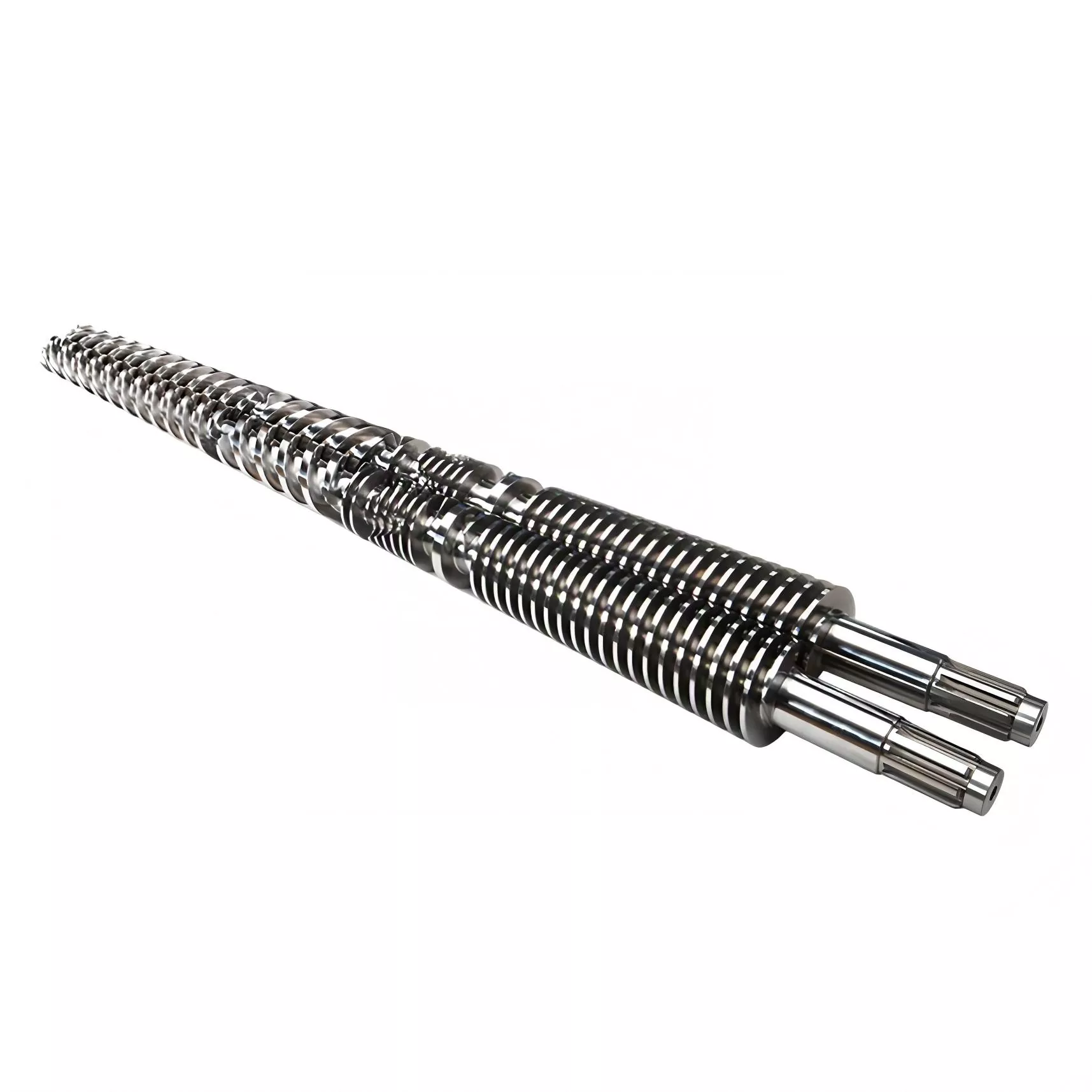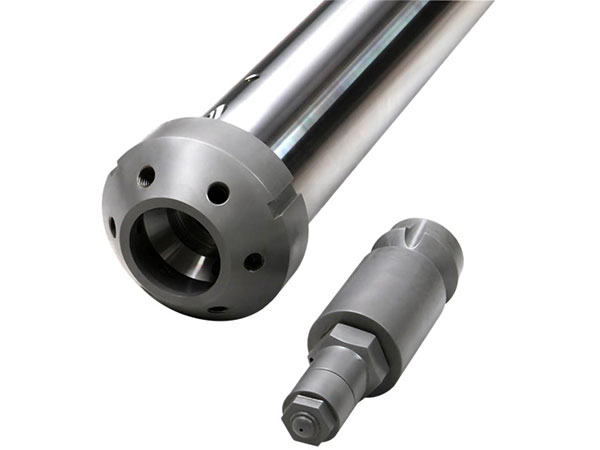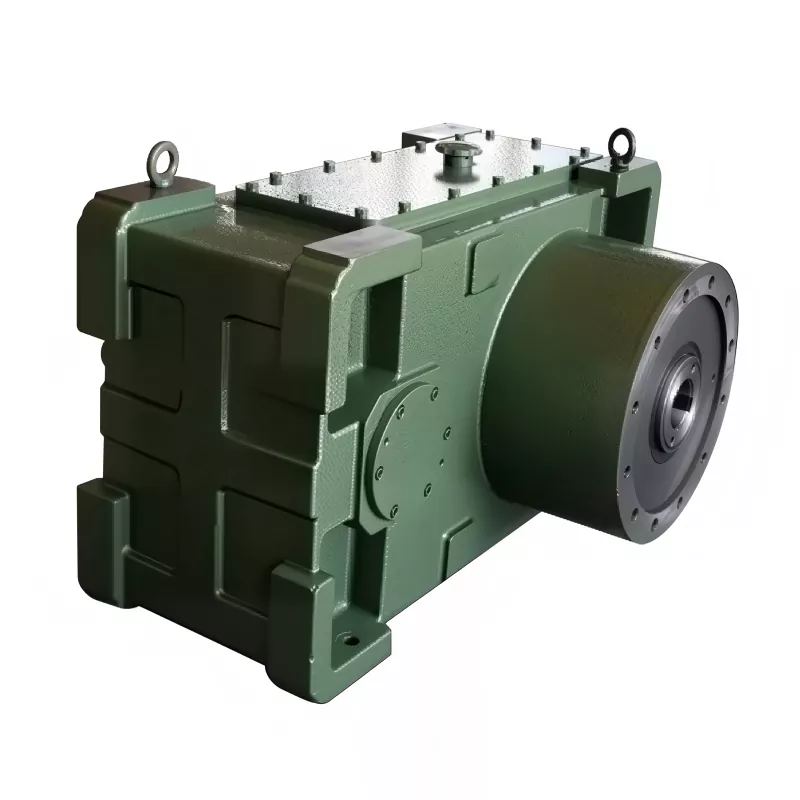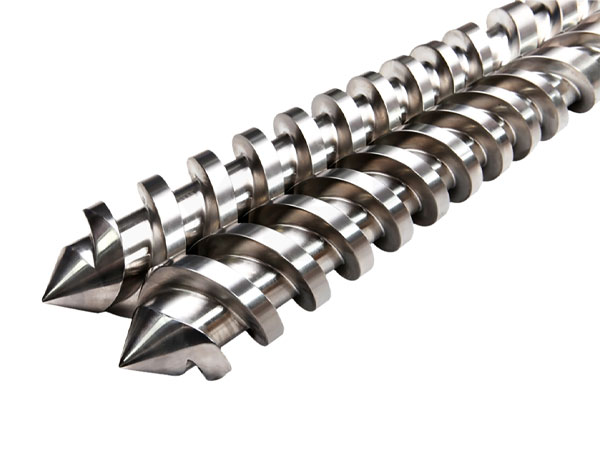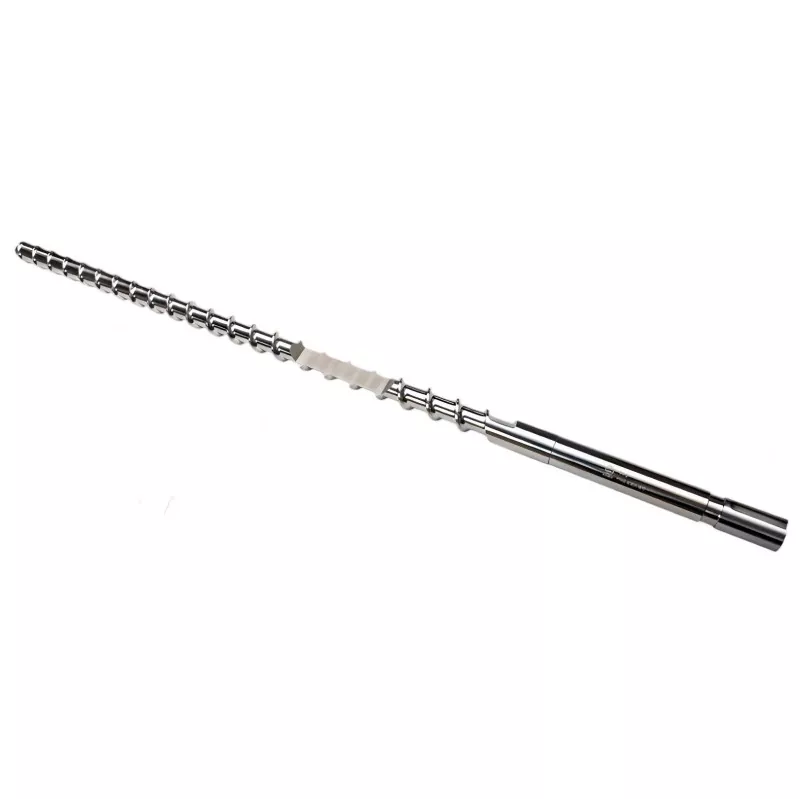

The screw is one of the most critical components inside an injection molding machine, directly influencing plasticizing efficiency, melt quality, injection stability, cycle time, and component life. For owners and maintenance teams operating Chen Hsong injection machines, selecting a compatible replacement screw is not simply a matter of matching dimensions. Material, screw geometry, processing conditions, wear resistance, and machine configuration must all be considered. This guide explains the key factors involved in choosing, inspecting, replacing, and maintaining a Screw for Chen Hsong Injection Machine, helping buyers reduce downtime, avoid premature wear, and achieve more consistent molding performance.
Article Outline
- Why the Injection Screw Matters to Machine Performance
- Common Problems Caused by a Worn or Incorrect Screw
- Key Dimensions to Check Before Ordering
- How Screw Geometry Affects Plasticizing Performance
- Choosing the Right Screw Material
- Understanding Wear and Corrosion Resistance
- Replacement Screw Selection Guide
- Installation and Inspection Considerations
- Maintenance Practices That Extend Screw Life
- Common Applications and Processing Materials
- Why Work With an Experienced Screw Manufacturer
- Frequently Asked Questions
- Conclusion and Contact Information
Why the Injection Screw Matters to Machine Performance
The injection screw performs several essential functions during the molding process. It conveys plastic pellets forward, melts and mixes the material, controls plasticizing, and ultimately pushes the molten polymer into the mold. Because these processes happen continuously, the condition and design of the screw can have a direct effect on production quality.
A properly matched Screw for Chen Hsong Injection Machine can contribute to stable plasticizing, uniform melt temperature, efficient material mixing, and reliable injection performance. In contrast, an improperly designed or heavily worn screw may create inconsistent back pressure, unstable shot weight, poor color dispersion, excessive residence time, and increased energy consumption.
For high-volume molding operations, even a relatively small reduction in plasticizing efficiency can accumulate into significant production losses. This makes screw selection an important maintenance and productivity decision rather than simply a replacement-part purchase.
Common Problems Caused by a Worn or Incorrect Screw
Many molding problems are initially attributed to the material, heater, mold, or injection settings. However, screw and barrel wear can also be an underlying cause. Recognizing the symptoms can help maintenance personnel determine when inspection or replacement is necessary.
| Observed Problem | Possible Screw-Related Cause | Potential Production Impact |
|---|---|---|
| Longer plasticizing time | Flight wear or unsuitable screw geometry | Longer cycle time |
| Unstable shot weight | Excessive clearance or poor melt conveying | Dimensional inconsistency |
| Poor color mixing | Inappropriate mixing section or worn flights | Appearance defects |
| Black specks or contamination | Dead spots, corrosion, or material degradation | Rejected parts |
| Excessive injection pressure | Poor plasticizing or excessive wear | Higher machine loading |
These symptoms do not automatically mean that the screw must be replaced. A professional inspection should consider the screw, barrel, non-return valve, heater system, material, and process settings together. Nevertheless, significant screw wear should not be ignored because continued operation can accelerate damage to related components.
Key Dimensions to Check Before Ordering
One of the most common purchasing mistakes is ordering a screw based only on the machine brand or injection volume. A reliable replacement requires detailed dimensional information.
- Overall screw length: The replacement must fit the available barrel and machine assembly.
- Screw diameter: Diameter affects the plasticizing capacity and must correspond to the barrel configuration.
- Flight length: The effective flight section influences conveying and melting behavior.
- Root diameter: Changes along the screw determine compression and material handling.
- Drive connection: The rear connection must correctly match the machine's drive system.
- Tip and head configuration: The front-end design must work with the non-return valve and injection assembly.
- Barrel clearance: Excessive or insufficient clearance can negatively affect performance.
When ordering a replacement Screw for Chen Hsong Injection Machine, buyers should provide the machine model, screw dimensions, material being processed, and existing screw drawings or photographs whenever possible. These details help the manufacturer verify compatibility and reduce the risk of dimensional errors.
How Screw Geometry Affects Plasticizing Performance
Screw geometry is not universal. Different plastics and applications can require different conveying, compression, mixing, and melting characteristics.
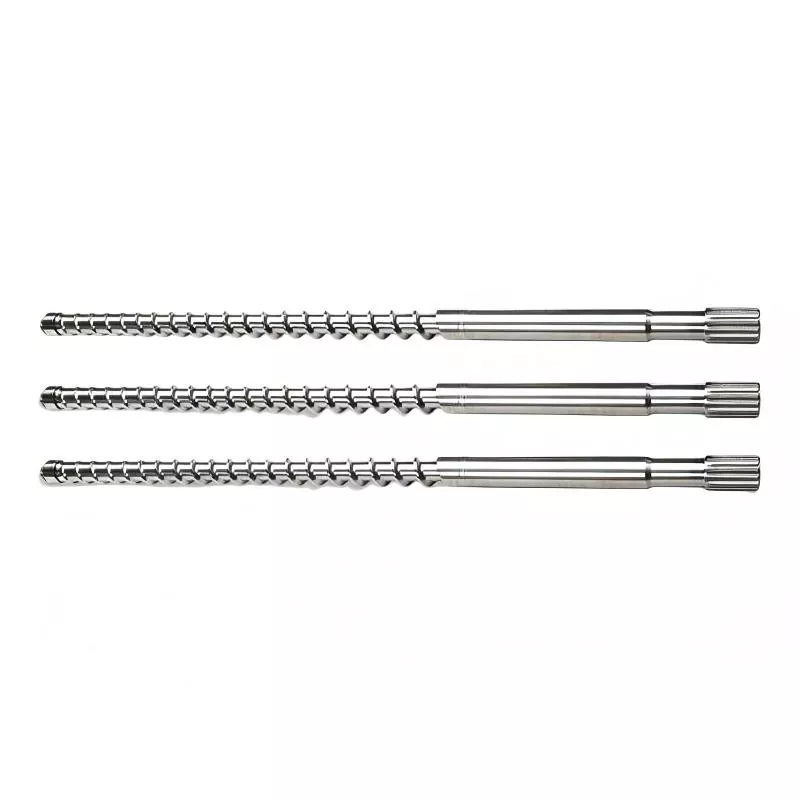
A conventional screw normally contains feeding, compression, and metering zones. The feeding zone receives solid polymer, the compression zone progressively melts and compresses the material, and the metering zone helps deliver a more consistent melt toward the front of the barrel.
Compression ratio is particularly important. A screw designed for a relatively easy-flowing thermoplastic may not be appropriate for a material containing a high percentage of fillers or reinforcement fibers. Similarly, sensitive polymers may require a geometry that minimizes excessive shear and unnecessary heat generation.
| Processing Requirement | Important Screw Consideration |
|---|---|
| General-purpose thermoplastics | Balanced conveying, melting, and metering |
| Glass-filled materials | Higher wear resistance and suitable geometry |
| Corrosive polymers | Improved corrosion-resistant material or surface treatment |
| Color masterbatch processing | Effective mixing without excessive residence time |
| Heat-sensitive materials | Controlled shear and thermal exposure |
Choosing the Right Screw Material
The screw material should reflect the operating environment rather than being selected solely according to purchase price. Different steels, heat treatments, coatings, and surface-hardening technologies can provide different balances between toughness, hardness, wear resistance, and corrosion resistance.
For standard applications, a properly heat-treated alloy steel may provide a practical balance of mechanical strength and service life. For abrasive applications involving glass fiber, mineral fillers, calcium carbonate, or other additives, enhanced wear protection may be necessary.
Corrosive materials may require additional attention to corrosion resistance. PVC and certain flame-retardant or chemically aggressive formulations can expose screw surfaces to challenging conditions. In such cases, material selection and surface treatment should be discussed with the manufacturer before production.
Understanding Wear and Corrosion Resistance
Wear is often concentrated around the flight edges, compression section, and areas exposed to abrasive additives. As clearance between the screw and barrel increases, the screw may become less effective at conveying and pressurizing molten material.
There are several common forms of screw damage:
- Abrasive wear: Often associated with glass fibers, minerals, and other hard fillers.
- Adhesive wear: Can occur when metal surfaces interact under unfavorable conditions.
- Corrosion: May develop when reactive or corrosive compounds are processed.
- Thermal damage: Can result from excessive temperature or prolonged material residence.
- Mechanical damage: May arise from improper installation, foreign objects, or operational errors.
A suitable replacement screw should therefore be selected according to the actual processing material and production environment. If a machine has repeatedly experienced premature screw wear, simply installing another standard screw may not solve the underlying problem.
Replacement Screw Selection Guide
Before purchasing a replacement, buyers can follow a structured evaluation process.
- Identify the exact machine configuration. Record the machine model and relevant injection unit information.
- Measure the existing screw. Confirm diameter, length, connection dimensions, and front-end configuration.
- Identify the processing material. Include the polymer grade and additives whenever possible.
- Review production problems. Determine whether the existing screw suffered from wear, corrosion, poor mixing, or insufficient output.
- Select suitable material and treatment. Match the screw construction to the application.
- Confirm drawings before production. Technical drawings can reduce dimensional and interface risks.
- Inspect the barrel as well. A new screw installed into a severely worn barrel may not deliver the expected improvement.
This process is particularly useful for factories that operate multiple injection machines and need dependable spare-part planning. Maintaining accurate screw specifications can also shorten future procurement cycles.
Installation and Inspection Considerations
Even a high-quality replacement screw can perform poorly if installation is not handled correctly. Before installation, the screw should be checked for dimensional accuracy, surface condition, drive connection, and front-end assembly compatibility.
The barrel should also be inspected for internal wear. If the barrel has excessive clearance, installing a new screw alone may not restore plasticizing performance. In some cases, both components should be evaluated as a matched system.
During assembly, cleanliness is important. Metal particles, old polymer deposits, or foreign objects can damage mating surfaces and affect the operation of the non-return valve. Proper alignment is also necessary to prevent unnecessary mechanical stress.
After installation, the machine should be started according to appropriate operating procedures. Initial production should be monitored for plasticizing time, melt stability, pressure behavior, shot consistency, and unusual noise or vibration.
Maintenance Practices That Extend Screw Life
Regular maintenance can significantly reduce unexpected screw-related downtime. A practical maintenance program should include both operational monitoring and periodic physical inspection.
- Use processing temperatures recommended for the polymer.
- Avoid leaving sensitive materials inside a hot barrel for unnecessarily long periods.
- Prevent foreign metal objects from entering the feed system.
- Monitor plasticizing time and injection pressure for gradual changes.
- Record unusual noises, vibration, and changes in shot consistency.
- Clean the screw and barrel using appropriate procedures when changing materials.
- Inspect screw and barrel wear at planned maintenance intervals.
- Use compatible raw materials and avoid unexpected contamination.
One of the most useful maintenance indicators is a gradual increase in plasticizing time. When a machine that previously plasticized a shot within a stable period begins taking considerably longer, maintenance personnel should investigate the screw, barrel, material, heater performance, and process settings rather than immediately increasing machine parameters.
Common Applications and Processing Materials
A replacement screw may be designed for different thermoplastic processing applications. The appropriate configuration depends on the material and production requirements.
| Material / Application | Typical Consideration |
|---|---|
| PP and PE | Stable conveying and general-purpose plasticizing |
| ABS | Balanced melting and mixing performance |
| PA | Appropriate temperature management and material compatibility |
| PC | Controlled processing and suitable compression characteristics |
| Glass-filled polymers | Enhanced resistance to abrasive wear |
| PVC | Corrosion resistance and controlled thermal exposure |
The table provides general guidance only. Actual screw specifications should be determined according to the specific resin formulation, machine configuration, production conditions, and desired output.
Why Work With an Experienced Screw Manufacturer
Injection molding screws are precision components. A capable manufacturer should be able to understand not only dimensional requirements but also the relationship between screw geometry, material, processing conditions, and wear mechanisms.
ZHOUSHAN HAPPY PLASTICS MACHINERY CO., LTD. provides plastic machinery screw manufacturing solutions for customers who require replacement and customized components. Working with an experienced supplier can help buyers address technical issues before production rather than discovering compatibility problems after delivery.
For customized orders, useful information can include the injection machine model, screw diameter, screw length, processing material, required output, existing drawings, photographs, and known wear conditions. The more complete the technical information, the easier it is to evaluate an appropriate screw configuration.
A Practical Buyer Checklist
- Machine model confirmed
- Screw diameter measured
- Overall length confirmed
- Drive connection checked
- Screw tip configuration confirmed
- Barrel condition inspected
- Processing resin identified
- Fillers and additives identified
- Wear and corrosion history reviewed
- Material and surface treatment discussed
- Technical drawing approved before manufacturing
Frequently Asked Questions
Can a replacement screw be used directly if the machine brand is the same?
Not necessarily. The same machine brand can have different injection unit configurations and screw dimensions. Diameter, length, drive connection, tip design, barrel clearance, and other specifications should be verified before ordering.
What information should be provided when requesting a Screw for Chen Hsong Injection Machine?
The most useful information includes the machine model, screw diameter, overall length, processing material, screw drawing if available, front-end configuration, drive connection, and photographs of the existing component. Information about previous wear or production problems can also help the manufacturer recommend a more suitable design.
How can I know whether the screw or barrel is causing poor plasticizing?
Changes in plasticizing time, shot weight, pressure, melt consistency, and material leakage can indicate wear, but these symptoms can have multiple causes. A physical inspection of both screw and barrel is the most reliable way to determine the condition of the plasticizing unit.
Is a harder screw always better?
No. Hardness is only one factor. The screw also needs appropriate toughness, dimensional accuracy, surface condition, corrosion resistance, and compatibility with the processed material. A properly balanced material and treatment solution is generally more useful than simply maximizing hardness.
How often should an injection screw be replaced?
There is no universal replacement interval. Service life depends on material type, production volume, processing temperature, additives, machine settings, screw design, barrel condition, and maintenance. Regular inspection and performance monitoring are more reliable than replacing the screw solely according to a fixed calendar period.
Can a customized screw improve an existing molding problem?
It can, when the problem is related to screw geometry, material compatibility, mixing, conveying, or wear resistance. However, screw customization should be based on actual machine and processing data. Other causes such as barrel wear, heater problems, material quality, or incorrect processing parameters should also be investigated.
Conclusion: A Better Screw Starts With the Right Technical Match
Choosing a Screw for Chen Hsong Injection Machine should go beyond matching a machine name or purchasing the lowest-cost replacement. Correct dimensions, screw geometry, processing material, wear resistance, corrosion resistance, barrel condition, and installation requirements all influence the final result.
For manufacturers relying on injection molding every day, the right screw can support more stable plasticizing, consistent melt quality, predictable production cycles, and longer component service life. When recurring problems such as increased plasticizing time, unstable shot weight, poor mixing, or premature wear appear, a detailed screw and barrel evaluation can help identify the real cause.
ZHOUSHAN HAPPY PLASTICS MACHINERY CO., LTD. can assist buyers looking for replacement or customized plastic machinery screws based on specific machine and processing requirements. Providing accurate technical information at the beginning of the purchasing process can make component selection faster, reduce compatibility risks, and support more reliable long-term operation.
Need a Replacement Injection Machine Screw?
If you are looking for a reliable Screw for Chen Hsong Injection Machine, prepare your machine model, screw dimensions, processing material, and existing drawing or photos. Contact ZHOUSHAN HAPPY PLASTICS MACHINERY CO., LTD. for technical assistance and a suitable screw solution tailored to your application.
Contact us for your customized injection machine screw requirements.